A new report reveals that the average pay gap between men and women in the U.K. stands at £2,548 (US$3,455) per year, meaning women effectively work 47 days without pay. At the current pace, experts say this inequality will persist until 2056.
Subscribe
Analysis and Opinions
Policy Analysis
Report: U.K. Gender Pay Gap Won’t Close Until 2056 at Current Pace


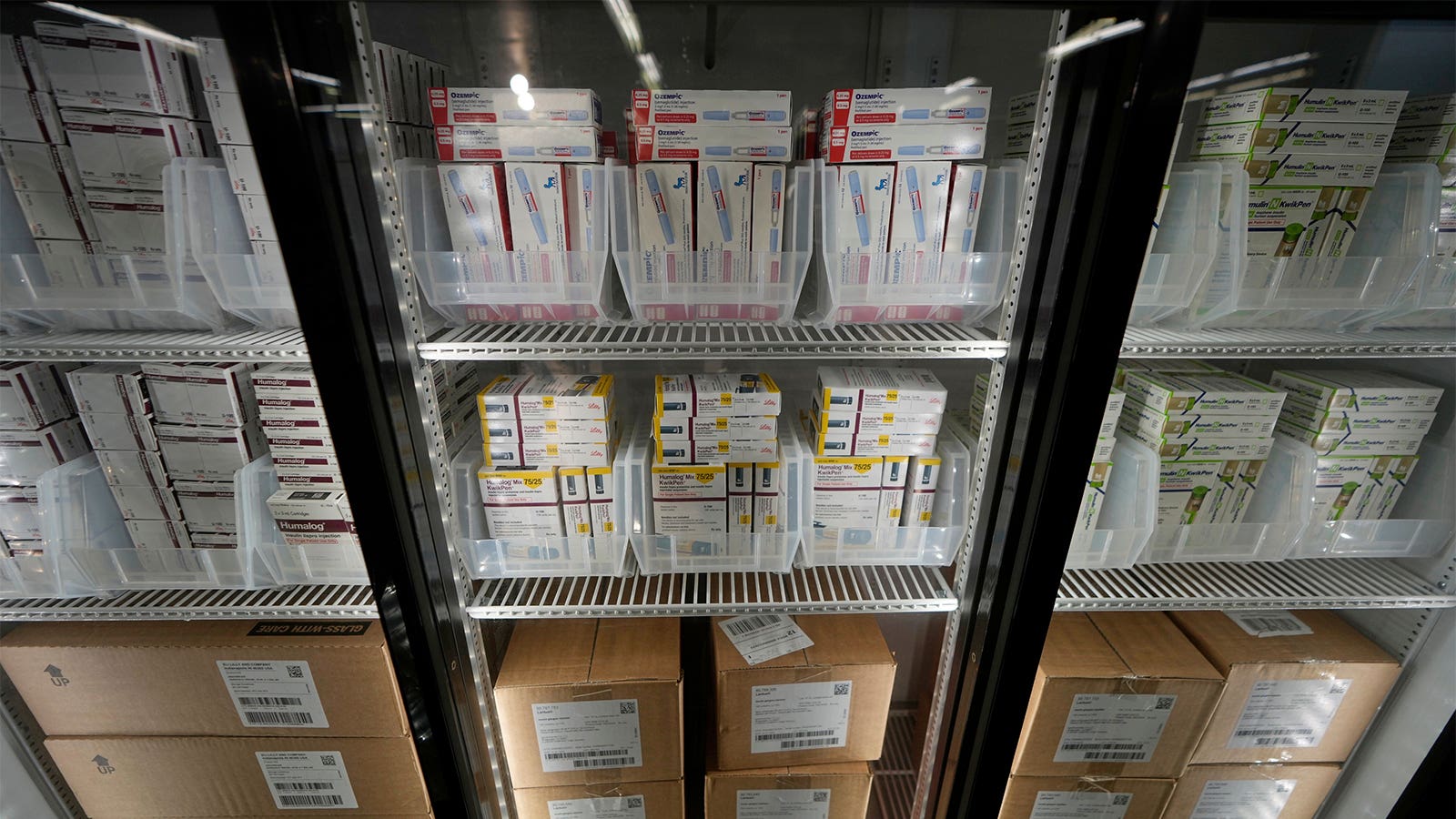
Photo by Supply Chain Brain
Key Takeaways:
- The U.K. pay gap currently totals £2,548 (US$3,455).
- Women effectively work 47 days a year for free.
- This gap may not close until 2056 at current rates.
- The article was originally published by Supply Chain Brain.
- The issue underscores ongoing challenges in workplace equality.
The Scope of the Disparity
The pay gap between men and women in the United Kingdom remains significant, measured at £2,548 (US$3,455) annually. This statistic underscores a lasting inequality affecting women across various industries.
How the Gap Translates to Free Labor
Because of the pay gap, the average woman in the U.K. essentially works 47 days each year without receiving compensation compared to her male peers. This striking figure highlights the direct financial impact that wage inequality imposes on female workers.
Projected Milestone: 2056
Current trends suggest that this disparity won’t fully disappear until 2056. The lengthy timeline has triggered debates about how to accelerate progress toward pay equity and ensure more immediate relief for women in the workforce.
What It Means for the Workforce
Persistent wage differences can affect morale, retention, and overall productivity. Employers face mounting pressure to examine their pay structures, while policymakers and advocacy groups continue pushing for reforms designed to close the gap more quickly.
A Snapshot of the Data
| Pay Gap (£) | Pay Gap (US$) | Days Women Work Unpaid | Projected Close Year |
|---|---|---|---|
| 2,548 | 3,455 | 47 | 2056 |
Driving Change
Awareness of the pay gap is a critical first step. As discussions continue, businesses may need to rethink salary review policies, and lawmakers could prioritize new measures to guarantee equal pay. By highlighting the existing shortfall and its effects, this report brings attention to a longstanding issue that, without intervention, may linger for decades to come.