Federal officials have reportedly sent subpoenas to major tech companies in an effort to identify people criticizing Immigration and Customs Enforcement (ICE). According to The New York Times, this move raises concerns about government overreach and the right to free speech in the digital age.
Subscribe
Analysis and Opinions
Breaking News
Policy Analysis
Robert Reich: A short note to Department of Homeland Security Kristi Noem


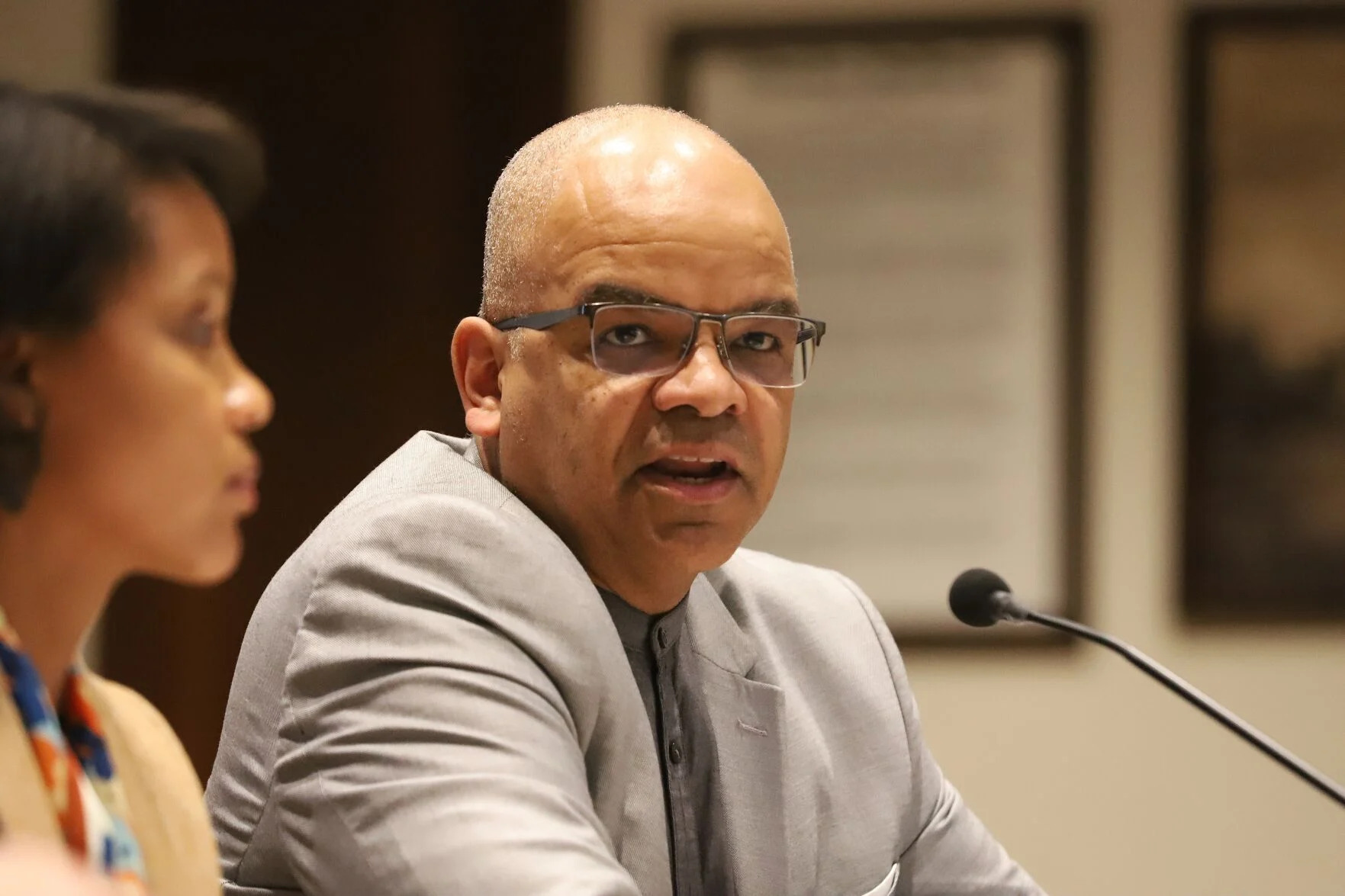
Photo by The Quad City Times
Key Takeaways:
- The Department of Homeland Security (DHS) reportedly issued subpoenas to Google and Meta.
- These subpoenas seek usernames or account details of individuals who criticized ICE enforcement.
- The story originates from The New York Times and has sparked new debate about government reach.
- Robert B. Reich, writing as an opinion columnist, highlights the potential risks.
- Concerns about personal privacy and free speech have emerged following these revelations.
The DHS Subpoenas
The New York Times reports that the Department of Homeland Security has issued subpoenas to Google (the owner of YouTube), Meta (which oversees Facebook and Instagram), and other large media corporations. These subpoenas reportedly seek the identities of individuals whose online posts criticize U.S. Immigration and Customs Enforcement (ICE).
Why Criticism of ICE Matters
ICE is a central agency tasked with immigration enforcement in the United States. Dissenters argue that harsh policies can infringe upon civil liberties, which intensifies public scrutiny. When government officials investigate critics, it raises questions about whether such actions could discourage or penalize legitimate debate on national policies.
Technology Giants Caught in the Middle
Google and Meta, as the largest social media platforms, become the primary targets for these subpoenas. Both companies store vast amounts of user information, making them potential gatekeepers of online anonymity. Their responses to DHS’s requests may significantly affect how freely individuals can express opinions about immigration enforcement.
Perspective from Robert B. Reich
Robert B. Reich, a Tribune Content Agency commentator, calls attention to this unfolding situation in his opinion piece. He questions the broader objectives behind seeking the personal details of government critics and warns that demand for user data may pose significant challenges to open and honest public discourse.
Implications for Free Speech
Requests to identify and track critical voices can have a chilling effect on freedom of expression. Civil liberties advocates worry that, if user identities are handed over, people may hesitate to voice concerns about government agencies in the future. As the reported subpoenas make headlines, debate intensifies about the balance between national security, enforcement of immigration policies, and the protection of American citizens’ constitutional rights.