A decade-old groundwater lawsuit is shaping the leadership of the San Miguel Community Services District (CSD). The dispute, which began in 2013 and involved multiple water agencies, has left the CSD deadlocked over filling a vacant board seat.
Subscribe
Analysis and Opinions
Policy Analysis
San Miguel CSD deadlocked over vacant board seat amid past groundwater dispute

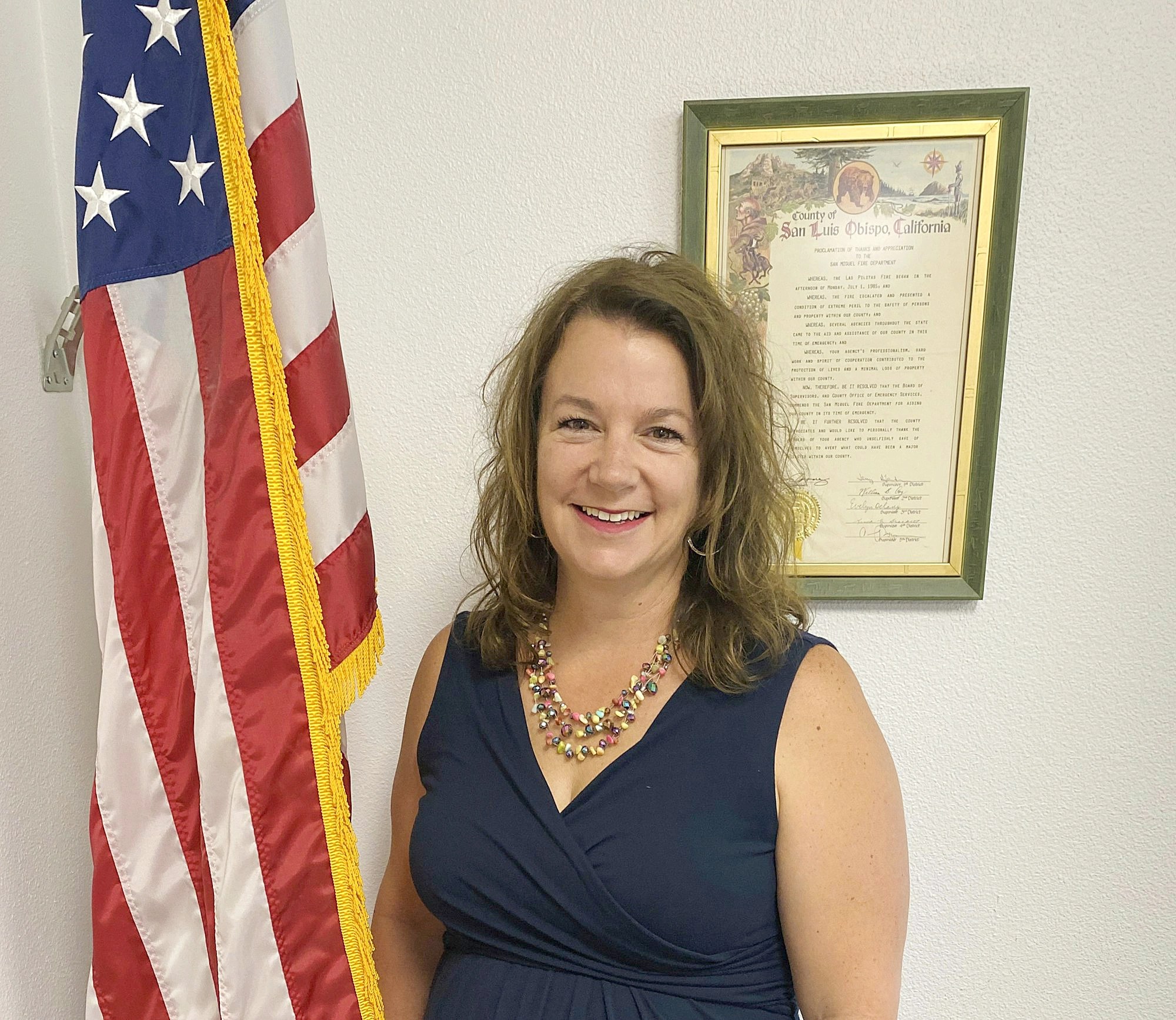
Photo by New Times San Luis Obispo
Key Takeaways:
- A past groundwater lawsuit drives today’s CSD leadership issues
- The 2013 “quiet title” action involved former board member Raynette Gregory
- Multiple water agencies, including the San Miguel CSD, were named in the suit
- The deadlock highlights long-term impacts of legal disputes on local boards
- The vacant board seat remains unfilled amid the stalemate
Background
A regional groundwater dispute that began more than a decade ago is complicating the current governance landscape in San Miguel. In 2013, a group of North County landowners, including then-board member Raynette Gregory, filed a “quiet title” lawsuit targeting several public water agencies. The San Miguel Community Services District (CSD) was among those named.
The 2013 Quiet Title Lawsuit
This legal measure sought to address potential water rights for the landowners. The involvement of a sitting board member at the time made the San Miguel CSD a focal point of intense local scrutiny. The lawsuit placed the district on the defensive, contributing to a sense of lingering tension long after its filing.
Deadlock Over a Vacant Seat
Today, that same lawsuit’s ripple effects appear to influence who can sit on the CSD board. The currently vacant board seat has led to a stalemate, with conflicting opinions on eligibility shaped by the unresolved history of the litigation. The district remains unable to reach an agreement on the next appointee, underscoring how past legal disputes can continue to cloud governance decisions.
Broader Implications
Water rights issues are a constant factor in many California communities, and disputes over groundwater can stretch across years—sometimes decades. The San Miguel CSD’s recent experiences reveal how a prior legal conflict can still affect administrative proceedings and leadership choices.
Looking Ahead
As the district grapples with this ongoing deadlock, the story underscores the complexity of regional water politics. It sheds light on how old conflicts can resurface to challenge community decision-making, even when the immediate dispute might seem years behind. At present, the question of who fills the vacant seat—and how soon—remains unanswered, leaving the community in a standoff that resonates far beyond San Miguel’s borders.