A new legislative push known as the SCAM Act seeks to revoke American citizenship from individuals who commit serious felonies or fraud soon after naturalization. Backed by prominent voices, its supporters argue that stricter standards will protect the integrity of U.S. citizenship, even as critics question the wide reach of these provisions.
Subscribe
Breaking News
Policy Analysis
SCAM Act Introduced To Revoke Citizenship Of Migrants Who Commit Fraud, Serious Felonies

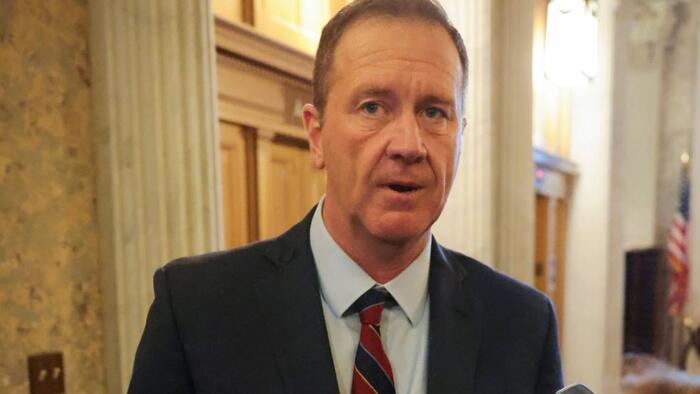
Photo by Zerohedge
Key Takeaways:
- Senator Eric Schmitt introduced the SCAM Act to revoke citizenship for offenses committed within 10 years of naturalization.
- Welfare fraud, terrorist affiliations, and aggravated felonies are among the violations targeted.
- Investigations in Minnesota involving alleged large-scale benefits fraud helped spark the bill.
- The legislation features a fallback five-year window if the 10-year provision is deemed unconstitutional.
- The White House has signaled its support of this measure through spokesperson Stephen Miller.
Legislative Proposal
Senator Eric Schmitt (R-MO) has unveiled the Stop Citizenship Abuse and Misrepresentation (SCAM) Act as a response to recent allegations of widespread welfare fraud and other serious offenses. The bill allows federal authorities to commence denaturalization and deportation processes if a naturalized citizen commits certain crimes within 10 years of taking their oath.
Targeted Crimes and Offenders
The SCAM Act targets individuals found guilty of welfare fraud, aggravated felonies, and membership in terrorist organizations, including gangs and cartels. Citing Minnesota’s high-profile fraud investigations—where dozens of native-Somali residents have been charged in connection with an estimated $9 billion in stolen funds—Schmitt described the situation as a “wake-up call.” According to the senator, citizenship should be a privilege reserved for those who uphold American law and values.
Legal Mechanisms
Under the proposed law, federal authorities would more easily denaturalize individuals by lowering the legal threshold for revoking citizenship. Should the courts reject the 10-year timeframe, the legislation outlines a fallback period of five years. This built-in legal safeguard seeks to ensure the SCAM Act’s effectiveness even if challenged on constitutional grounds.
Political and Public Reaction
Stephen Miller, former White House deputy chief of staff for policy, has publicly backed Schmitt’s proposal. “All Somali refugees, or any other immigrants, who have committed fraud against the United States must be immediately denaturalized and deported,” Miller remarked, highlighting the administration’s firm stance on the issue. Senator Schmitt also underscored that his goal is to maintain the “good order of the United States,” reminding communities that American citizenship entails consequential responsibilities.
Next Steps
The SCAM Act is currently introduced in the U.S. Senate but has not yet advanced to a formal hearing. Its proponents argue that it creates a necessary deterrent against abusing the privileges of citizenship, while critics are likely to scrutinize the measure’s potential reach and constitutional implications. Whether or not this bill gains traction, its introduction marks a new chapter in the debate over how best to preserve the integrity of American citizenship.