A team of marine researchers has uncovered an ancient whale “necropolis” in the southeastern region, a site where whale carcasses have apparently accumulated for five million years. Published in Nature, the discovery sheds fresh light on how these creatures decay on the ocean floor and the broader features of deep-sea ecosystems.
Subscribe
Uncategorized
Scientists Found a Massive Whale Graveyard That’s Been Filling Up for 5 Million Years

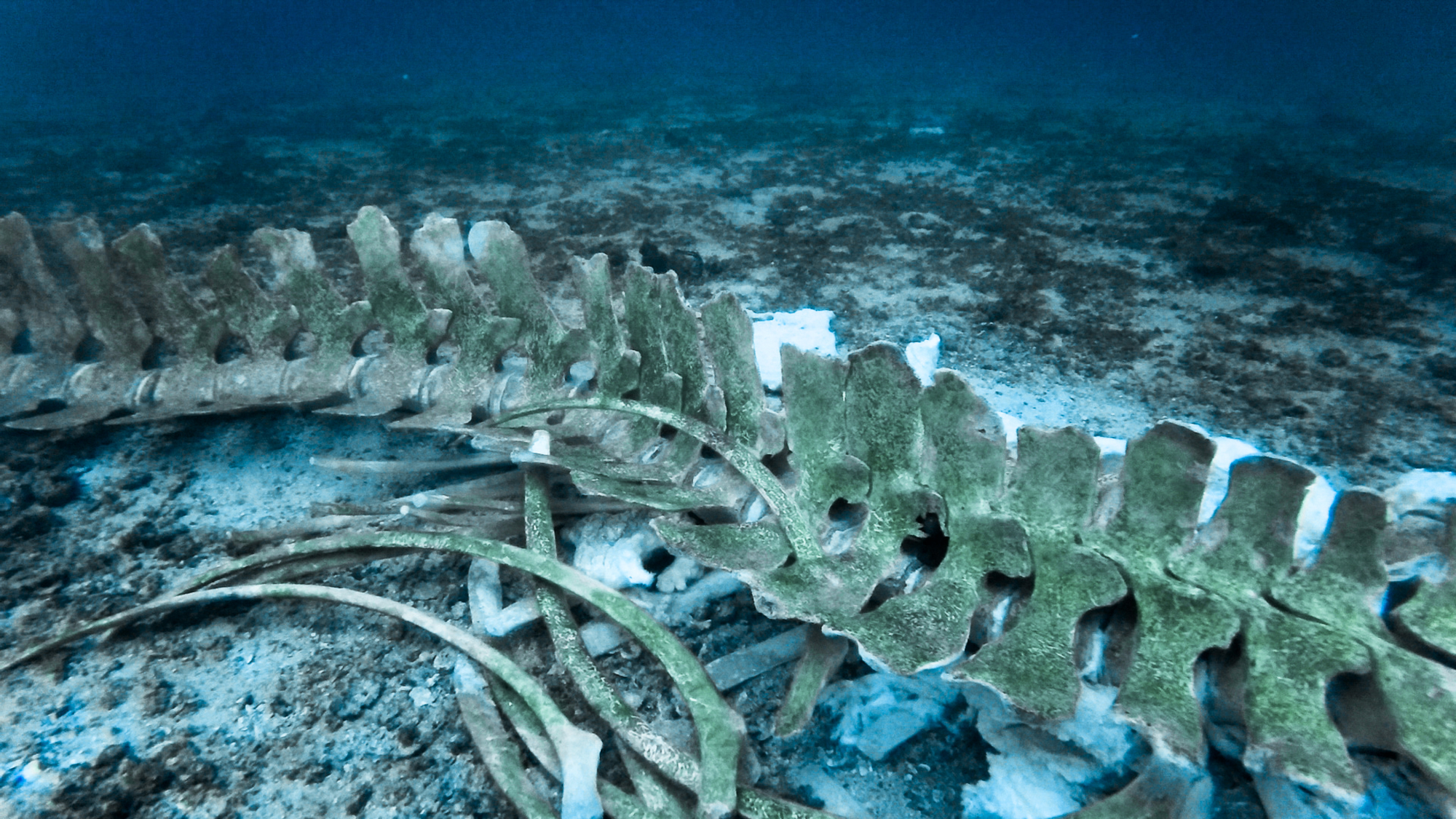
Photo by Vice News
Key Takeaways:
- Researchers originally studied a single whale carcass on the seafloor for 15 years.
- A different team found a “whale necropolis” that has been forming for about five million years.
- The findings appeared in the journal Nature.
- This discovery offers insights into marine ecosystem processes.
- Scientists believe the site dwarfs prior whale decomposition studies in scale.
The 15-Year Carcass Precedent
A previous team of researchers spent years examining what happened to a whale carcass that had settled on the ocean floor. Over a span of 15 years, the carcass provided scientists with valuable data about the decomposition process in deep-sea conditions, including how the local ecosystem adapted around the remains of a single whale.
A New Discovery in the Southeastern Seas
Now, a separate group of marine researchers has announced an even more remarkable find. Published in Nature, this whale “necropolis” was uncovered in the southeastern region and goes far beyond the scope of the earlier study. The scientists believe that, over approximately five million years, whale remains have steadily gathered in this undersea graveyard.
Why This Whale Graveyard Matters
Unlike the focused look at one carcass, this massive cluster of remains grants scientists a chance to study how multiple whale skeletons degrade and transform the surrounding environment over a vastly extended timeline. According to the research team, observing how these carcasses shared the same seafloor reveals patterns in nutrient distribution, habitat impacts, and the overall role of whales in deep-sea ecosystems.
Insights for Marine Science
This discovery is not only a glimpse into the distant past; it also hints at what might happen in the future. By tracking how whales decompose and understanding the communities that form around their remains, marine biologists can gain a broad picture of ocean processes over epochs. Going forward, further study of this site may answer lingering questions about marine biodiversity and how large ocean creatures consciously or unconsciously shape life on the seabed.