The Supreme Court is opting to remain on the sidelines in a dispute over posting anti-abortion flyers at an Indiana high school. A student’s First Amendment challenge, hinging on free speech rights, will therefore remain unresolved at the nation’s highest judicial level.
Subscribe
Breaking News
Policy Analysis
SCOTUS Declines to Weigh In on Anti-Abortion Club Flyers

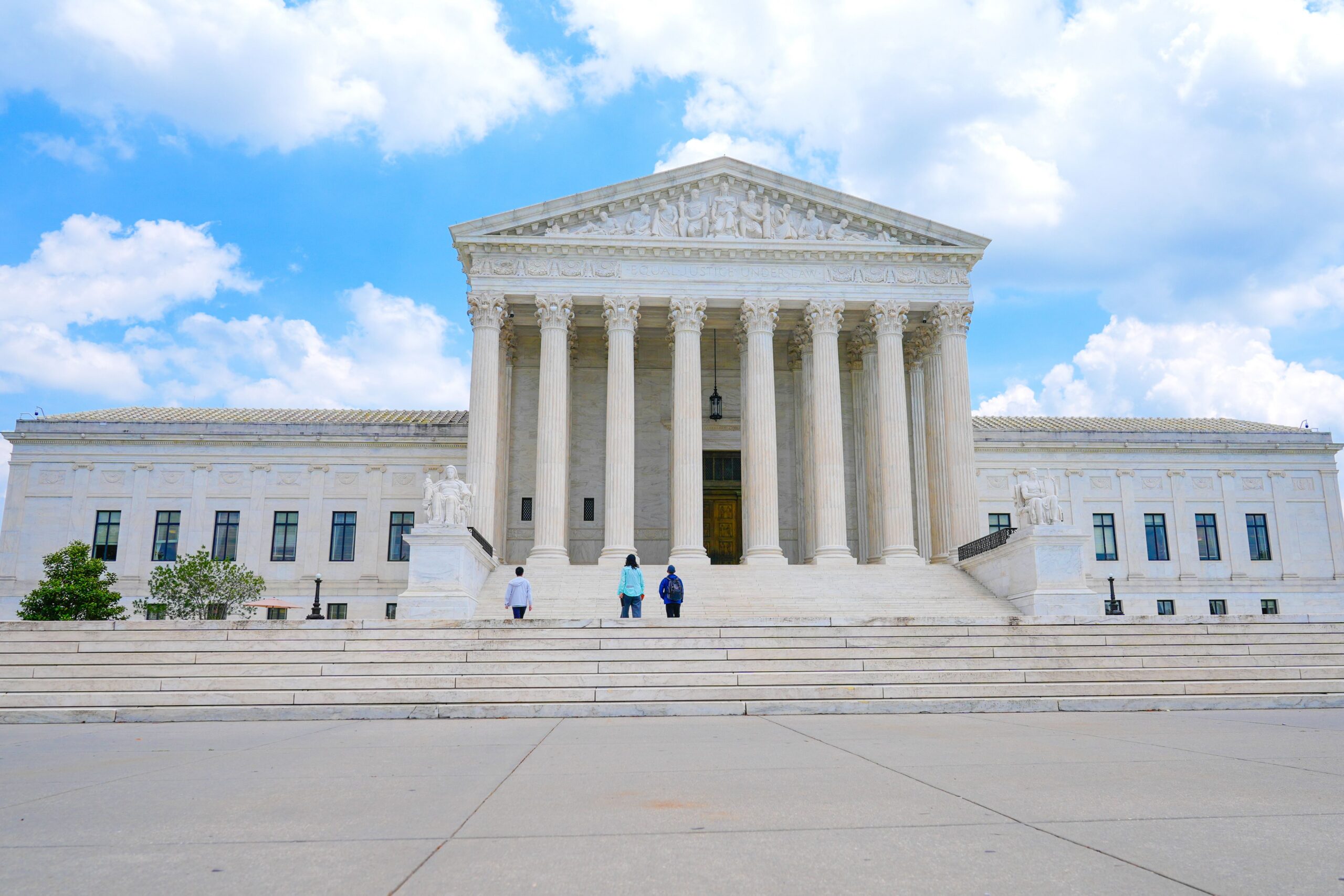
Photo by Newser
Key Takeaways:
- The Supreme Court chose not to hear a case about anti-abortion flyers.
- The dispute originated at Noblesville High School in Indiana.
- A former student argued that her free speech rights were violated.
- No new legal precedent will be established on this issue.
- Questions about student speech rights in public schools remain unresolved.
The High Court’s Refusal
On Monday, the Supreme Court formally declined to intervene in a case involving anti-abortion flyers displayed at Noblesville High School, an Indiana public school. The challenge, brought by a former student, focused on whether her First Amendment rights had been violated when school administrators prevented her from posting the flyers in a hallway.
A Controversial Poster Dispute
The heart of the issue lies in the student’s claim that disallowing anti-abortion flyers unfairly restricted her free speech. According to the brief reports available, school officials took action because the flyers touched on sensitive content. When the disagreement escalated, it eventually reached the Supreme Court’s doorstep—only for the justices to decide they would not consider the matter.
Implications for First Amendment Rights
By declining to hear this case, the Court leaves certain questions unanswered about the boundaries of students’ free speech in public schools. While the Constitution’s First Amendment protects freedom of expression, the extent to which school authorities can regulate speech, especially on controversial topics, remains an area of ongoing legal friction.
Local Consequences, National Conversation
For Noblesville High School, the controversy underscores how local issues can intersect with national legal principles. Even though the case will not advance further, it sparks renewed consideration of how schools handle speech that may be viewed as disruptive or divisive.
Where Things Stand
Because the justices refused to assess the matter, the lower court decisions hold without creating a new Supreme Court precedent. For the former student behind the case, the high court’s refusal means her free speech challenge has come to a close. Legal experts may continue to debate the implications, but for the moment, the matter will not gain further clarity at the federal level.