State Senator Steve Padilla (D-San Diego) has taken a strong stance against OpenAI’s newly announced ballot initiative, condemning it for potentially weakening crucial safeguards against abusive AI-powered chatbots. OpenAI’s proposal, which seeks to limit additional legislative protections, underscores the rising tensions between policymakers and the tech industry over the future of AI regulation.
Subscribe
AI Ethics
Breaking News
Generative AI
Policy Analysis
Senator Padilla condemns OpenAI’s effort to stifle chatbot protections

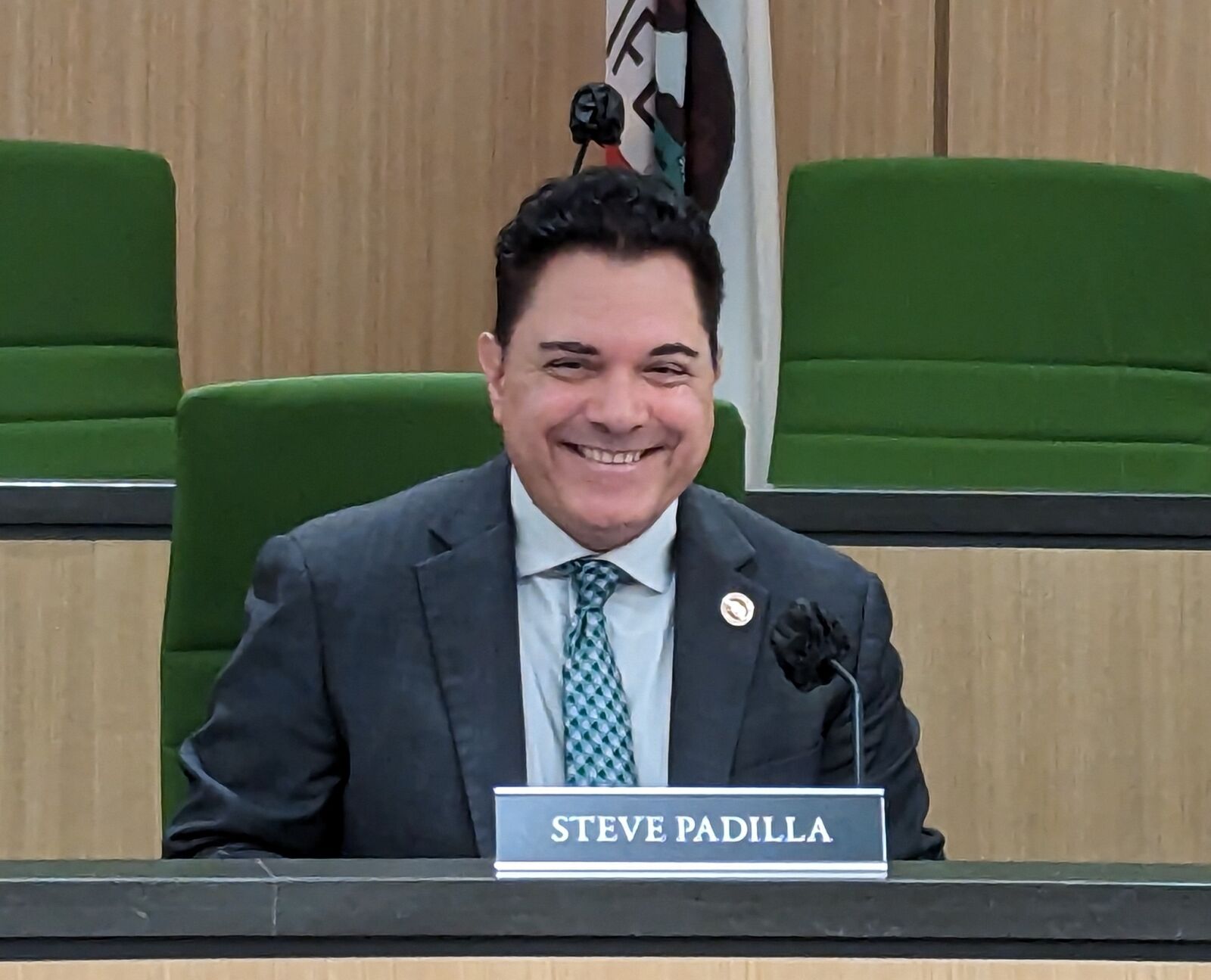
Photo by Ivpressonline
Key Takeaways:
- Senator Steve Padilla condemns OpenAI’s move to limit expanded chatbot protections.
- The proposed ballot initiative centers on concerns about abusive and predatory AI chatbots.
- California’s political realm increasingly grapples with regulating fast-evolving AI technologies.
- The debate highlights potential consequences for consumer protection and tech innovation.
- The conflict underscores a broader national dialogue on AI oversight and responsibility.
Senator Padilla’s Stand
On Wednesday, in Sacramento, state Senator Steve Padilla (D-San Diego) issued a statement condemning OpenAI’s recent ballot initiative. The senator voiced concern that limiting legal safeguards could leave users more exposed to the harmful effects of abusive or predatory AI chatbots.
OpenAI’s Ballot Initiative
OpenAI’s proposal aims to restrict any additional legal protections that could be introduced to regulate AI chatbots. Officials at OpenAI suggest current regulations sufficiently address these issues, but critics believe the company’s primary motivation is to maintain a competitive edge without facing stricter oversight.
Growing AI Concerns
AI-driven chat services have raised questions about the ethical and legal frameworks needed to ensure user safety. Many lawmakers, including Senator Padilla, argue for stronger consumer protections against potential harm caused by misleading or malicious automated interactions.
Reactions and Next Steps
Although details of how the ballot initiative may progress remain limited, Padilla’s condemnation signals growing resistance in California’s legislature to efforts seen as weakening consumer safeguards. As the state continues to shape policy for emerging technologies, the senator’s stance could influence the broader national conversation on AI regulation and responsibility.