As storms intensify and roads face higher risks of flooding, communities are looking to innovative solutions that help both local ecosystems and taxpayers. Smart Stream Crossings offer a path forward, preventing road washouts and ensuring fish and other aquatic life can thrive.
Subscribe
Global Warming Effects
Wildlife Protection
Smart stream crossings benefit wildlife, public safety

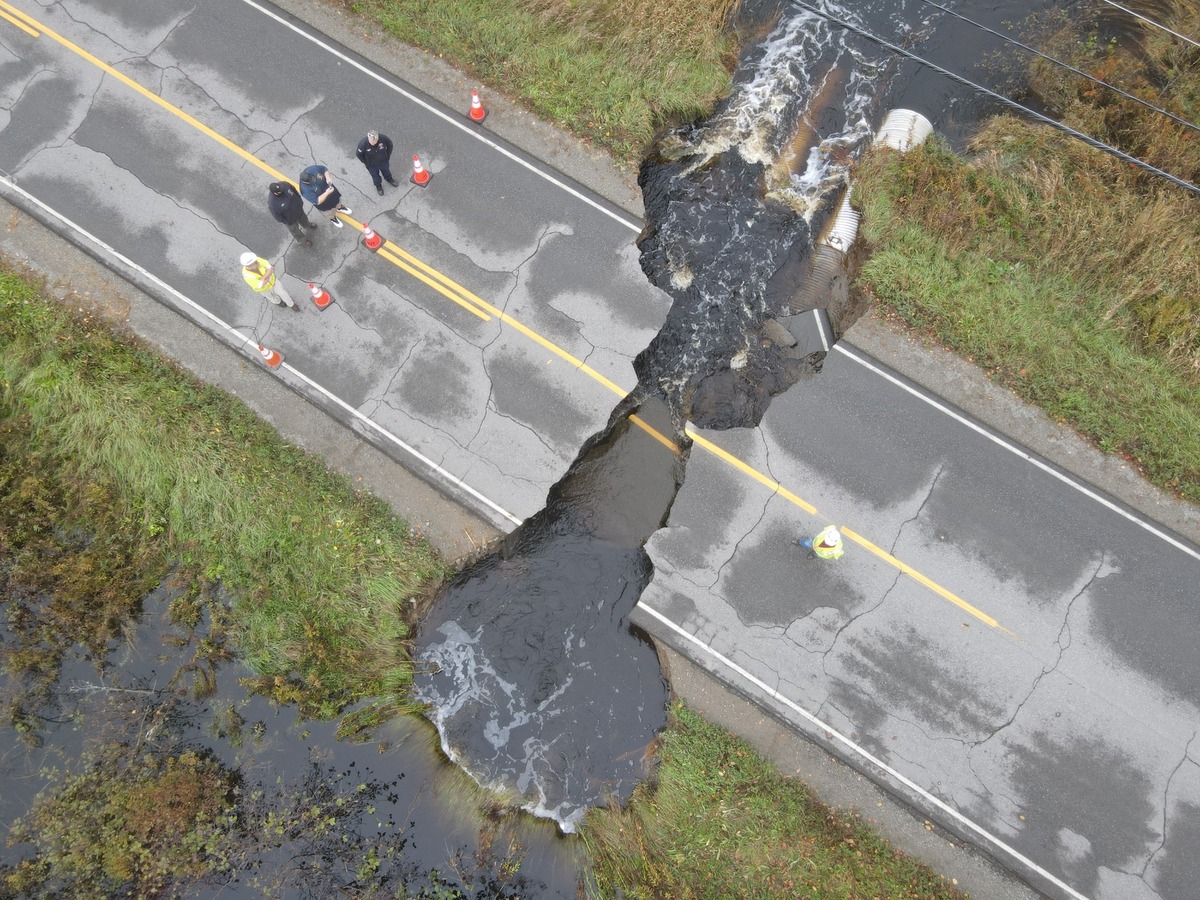
Photo by Bangor Daily News
Key Takeaways:
- Smart Stream Crossings are designed to reduce road washouts from frequent storms
- These upgraded structures also help wildlife migrate more freely
- Investing in better crossings may be more cost-effective than repeated repairs
- Bigger and more frequent storms underscore the need for resilience
- Protecting habitats and public safety aligns environmental priorities with practical planning
A Growing Need for Safer Crossings
Frequent and intense storms are becoming a pressing concern for road safety. Many traditional culverts struggle to handle the surge in water flow, leading to damaged or washed-out roads. As a result, local communities face growing expenses and increased risks.
Protecting Communities and Budgets
“We can either pay for Stream Smart crossings or pay to repair roads washed out by the bigger and more frequent storms we’re seeing today.” This statement underscores the financial reality of infrastructure management. By investing in resilient projects now, municipalities can avoid the repeated costs of emergency fixes, ultimately saving taxpayer money and stabilizing local budgets.
A Lifeline for Local Wildlife
Smart Stream Crossings are not just about protecting roads. They also accommodate aquatic organisms, allowing fish and other wildlife to move freely throughout their habitats. Such crossings keep waterways healthier, which can bolster local ecosystems and promote biodiversity.
Advocating a Smarter Path Forward
Communities relying on outdated culverts or undersized bridges face heightened vulnerabilities. Upgrading to Smart Stream Crossings can be a practical and forward-thinking strategy, balancing environmental stewardship with cost-saving opportunities. As storms grow stronger, proactive planning remains crucial for both wildlife and people striving to safeguard their homes, roads, and natural resources.