Recent legal amendments in Wyoming and Montana target trafficking rings posing as legitimate massage parlors and coercing individuals into criminal enterprises. Though these new laws empower law enforcement with wider authority to investigate, many believe more action is needed to curb this hidden crisis.
Subscribe
Breaking News
Policy Analysis
Stricter laws in Wyoming, Montana could keep illicit massage parlors at bay

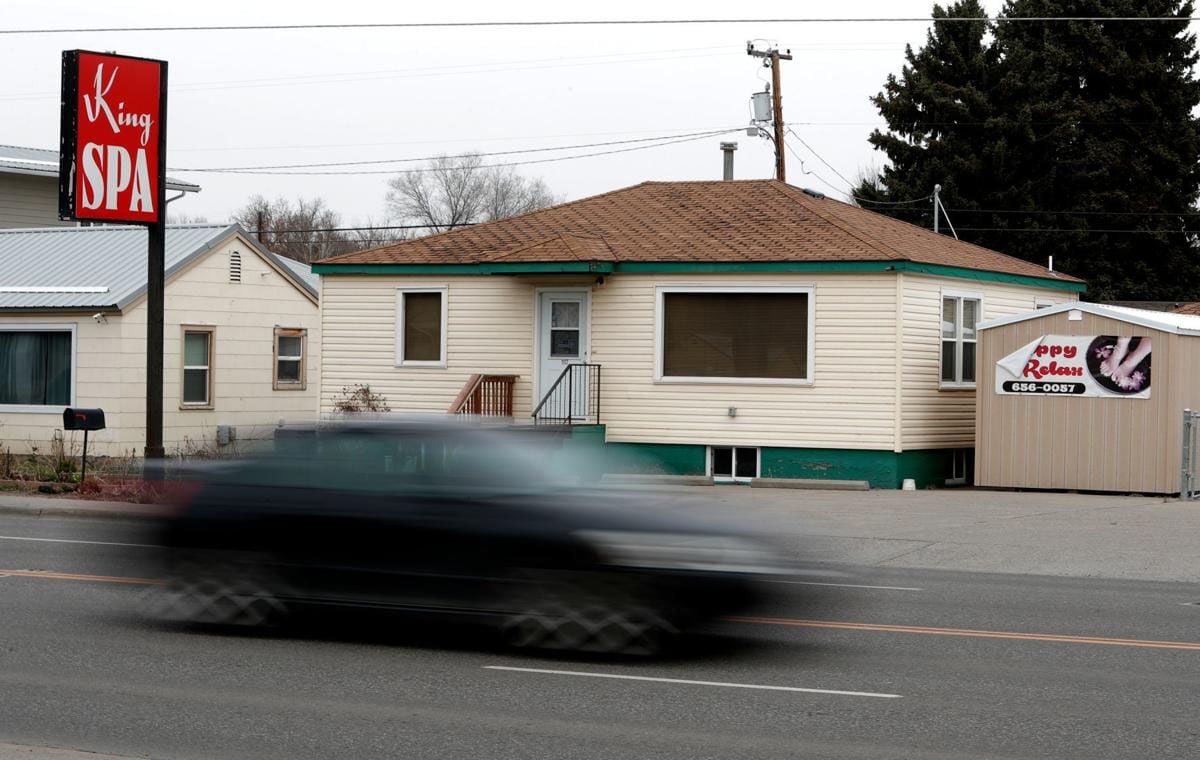
Photo by Thesheridanpress
Key Takeaways:
- Wyoming and Montana have strengthened legislation to counter illicit massage parlors.
- Trafficking rings disguise themselves as legitimate businesses, coercing victims.
- Law enforcement gains more authority to investigate these fronts under the amended laws.
- This issue is an ongoing trend, requiring constant vigilance.
- Officials agree further measures may be necessary alongside legislation.
Growing Concern
Illicit massage parlors have emerged as a persistent issue in Wyoming and Montana. According to local sources, these businesses often serve as fronts for trafficking rings, exploiting individuals under the guise of providing therapeutic services. Unlike truly legitimate massage establishments, these operations hide coerced labor, forcing many victims into vulnerable positions.
The Ongoing Trend
“In an ongoing trend,” the original report notes, “trafficking rings disguise as legitimate massage parlors to coerce individuals and evade crime.” This dangerous pattern has allowed criminal networks to maintain a low profile in communities, making it difficult for authorities to intervene. Many victims are unable to seek help due to intimidation, fear of deportation, or language barriers.
Stricter Laws in Wyoming and Montana
Recognizing the pervasiveness of these rings, officials in both Wyoming and Montana have amended legislation designed to close loopholes used by these illicit establishments. By tightening licensing requirements and strengthening penalties for violations, lawmakers in these states aim to reinforce the legal framework needed to identify suspicious parlors.
Empowering Law Enforcement
An essential pillar of the revamped legislation is the expanded authority granted to law enforcement agencies. Officers are now better equipped to investigate and collect evidence in potential trafficking cases, enabling them to shut down illegal operations more quickly. This step is seen as crucial in deterring traffickers who rely on the anonymous nature of unregulated enterprises.
Looking Ahead
While these legislative changes mark a pivotal stride toward tackling illicit massage parlors, authorities and community advocates recognize that more must be done. Comprehensive efforts—ranging from public awareness campaigns to improved victim support—could help ensure that the disguised massage business strategy becomes less and less viable. Above all, watchful enforcement and additional reforms may be required to protect communities and end the coercion behind these doors.