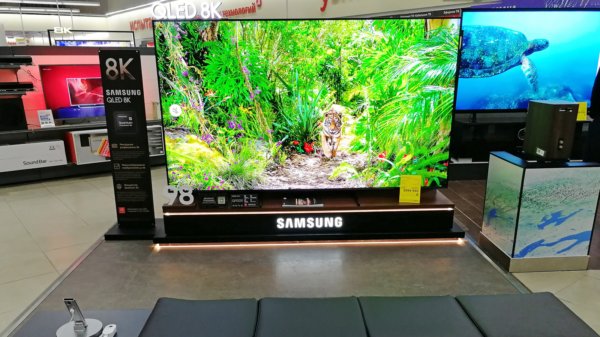
A recent study shows that several “smart” TVs continue gathering and transmitting user data, even when viewers think they’ve opted out. Researchers found that brands like Vizio and Samsung still send hidden traffic, raising serious questions about how much control consumers truly have over their privacy.
Subscribe
Privacy Features
Security and Privacy Features
Study Claims Vizio Simply Ignores ‘Smart’ TV Spying Opt Out Requests

Key Takeaways:
- A large study tested 12 smart TV devices in 5,943 experiments.
- Vizio SmartCast sent data in all “opted-out” scenarios.
- Samsung Tizen continued data transfers in over half the test cases.
- Some TV platforms transmitted personal data without encryption.
- U.S. regulatory oversight gaps may enable ongoing privacy violations.
Study Reveals Ongoing Data Collection
A recent study from Northeastern University has placed “smart” TVs under the microscope, conducting 5,943 separate experiments across twelve commercial smart TV devices. Despite the option to disable tracking, the research found that many TV models continued to collect and transmit viewing data to companies and third-party services.
Why These Findings Matter
Tracking technologies, known as automatic content recognition (ACR), can capture audio or video snapshots of what’s being watched and then monetize that information by building targeted advertising profiles. While major TV manufacturers promise to respect user preferences, the study indicates these assurances often go unfulfilled. According to the report, “The advertised ACR opt-out fully suppresses ACR-attributable traffic on only four operating systems.”
Opt-Outs Ignored by Major Brands
The inability to turn off automatic data collection was particularly apparent with certain devices. As the study states, “On Samsung Tizen traffic consistent with ACR activity persists in more than 60% of evaluated scenarios, and on Vizio SmartCast a content correlated endpoint hosted on Amazon Kinesis continues to receive traffic in 100% of opted-out scenarios.” Even companies facing legal agreements to protect user privacy may continue to collect data due to encryption that conceals the scope of what is actually being transmitted.
Varying Levels of Compliance
The study found that opt-outs are not equally honored across manufacturers. Roku reportedly allows its own channels to gather data even if the user has chosen to disable tracking. Conversely, researchers saw no evidence of data collection from Netflix, suggesting streaming giants may enforce stricter policies.
Unencrypted and Potentially Vulnerable
The absence of robust encryption adds further risk, leaving user data exposed to anyone on the network path. Researchers highlighted VIDAA OS—used in Hisense and Toshiba TVs—for sending “ACR data to servers run by Unruly over MQTT without encryption,” offering an unsettling reminder of the vulnerabilities within certain smart TV ecosystems.
Accountability in Question
Despite suspected legal violations, U.S. regulatory oversight has been reduced, leaving questionable data practices under-scrutinized. As the study authors note, it remains grimly uncertain if regulators will address or enforce controls on the activities uncovered. For now, many smart TV owners may have fewer privacy protections than they realize, even when they try to protect their viewing habits.