A decade after Congress permitted federal money for clean needle programs, the Trump administration’s withdrawal of support now jeopardizes progress against hepatitis C, a potentially fatal but treatable virus. Experts warn that reversing support for these programs could undermine the strides made in reducing transmission rates.
Subscribe
Infectious Diseases
Policy Analysis
Syringe services in limbo under Trump, risking hepatitis C progress

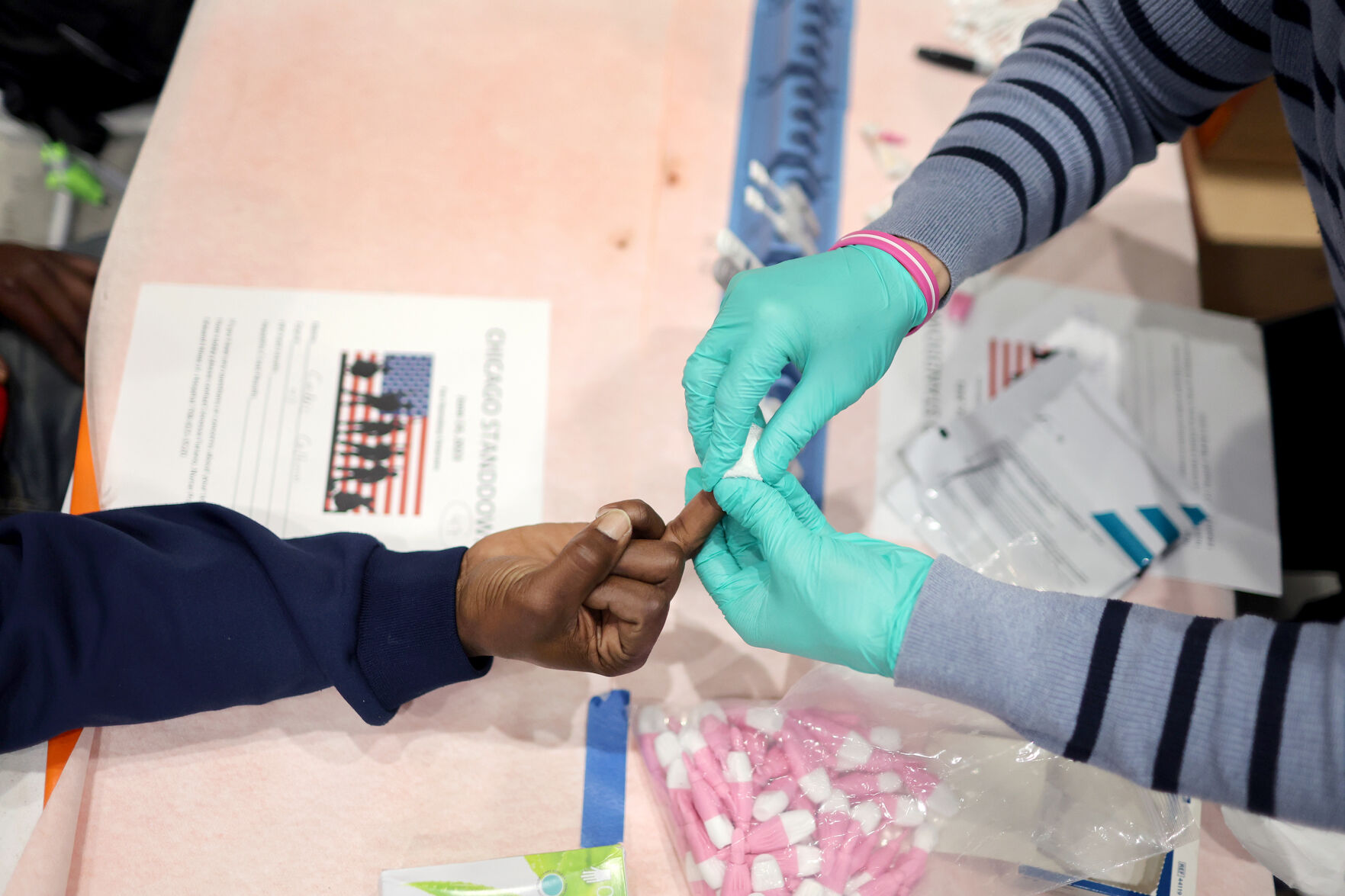
Photo by Lodinews
Key Takeaways:
- A decade of federally backed syringe services may be at risk under the new policy.
- Clean needle programs have been credited with curtailing hepatitis C spread.
- Hepatitis C remains deadly but curable, making prevention efforts crucial.
- Without consistent federal support, gains in infection control could erode.
- The article highlights a critical national policy turning point.
Introduction
A decade has passed since Congress first authorized federal funds to support clean needle programs intended to reduce the spread of deadly infections. Now, under the Trump administration, that support appears to be wavering. These programs have been crucial in combating hepatitis C, a virus characterized as both lethal and curable.
The Federal Funding Background
Federal funding for syringe services was groundbreaking when it began ten years ago, providing resources to distribute clean needles and educate communities. Government backing underscored the evidence-based approach to curbing blood-borne infections. Supporters argue that restricting such funding might reverse essential public health achievements.
Risk to Hepatitis C Progress
Hepatitis C spreads quickly, especially in communities lacking access to sterile syringes. During the past decade, targeted funding and clean needle exchanges helped diminish that threat. As the administration “backs off,” observers worry that cutting or reducing these programs could stall or undo vital progress against what experts warn is a serious but curable virus.
Possible Outcomes and Concerns
Public health advocates assert that missteps in preserving clean needle services might bring significant consequences. If the federal government fully withdraws support, state and local authorities must fill the gap or face rising infection rates. Additionally, medical professionals warn that the financial and societal costs of unmanaged hepatitis C far outweigh the expense of preventive measures.
Looking Ahead
As shifts in administration policy raise uncertainty over syringe programs, health care providers and community organizations are left to navigate the situation. While federal support hangs in the balance, those fighting against hepatitis C emphasize the urgency of maintaining comprehensive prevention strategies. The stakes are high: any retreat could cause patients and communities to lose ground in the ongoing battle against a virus that, with the right resources, stands ready to be contained.