Under 19? Tell us how you use AI chatbots
Children and teens are changing how we see AI chatbots. The Seattle Times wants to hear from anyone under 19—or those who guide them—about how young people use this emerging technology.
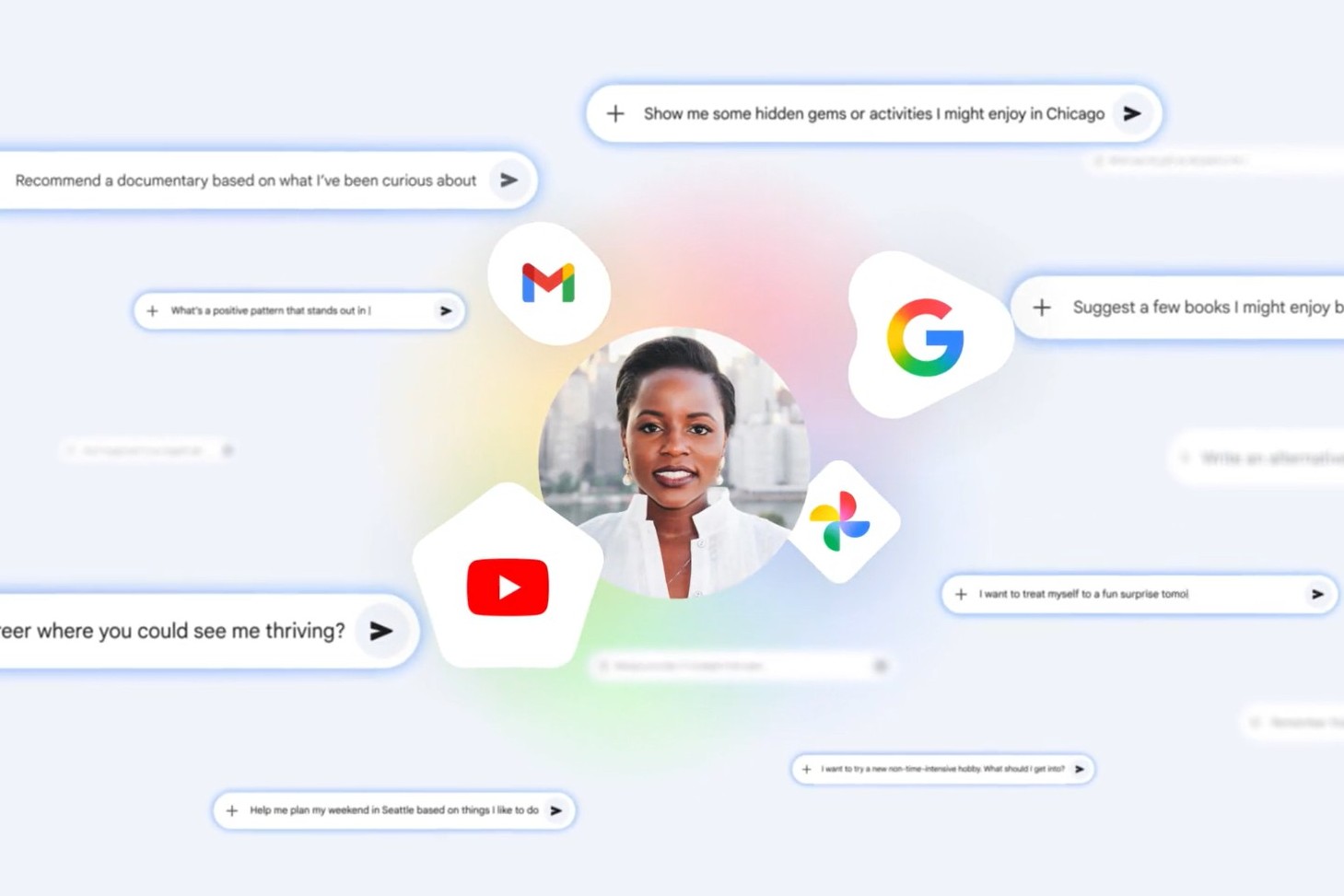
Gemini’s new “Personal Intelligence” feature taps into your Google data, bringing real-time context into AI chats. Yet while it occasionally offers handy reminders, its penchant for showing off what it knows can feel invasive.
A global alliance of public broadcasters reports that AI chatbots make errors with news content nearly half the time. The study, which involved 22 public media organizations in 18 countries, indicates potential risks when relying on chatbots for up-to-date and accurate information.
Parents of teenagers who died by suicide after AI chatbot interactions are bringing their emotional testimony to Congress. Their calls for stricter regulations focus on how these chatbots might pose hidden risks to vulnerable users.
The Federal Trade Commission has launched an inquiry into social media and AI companies. The investigation focuses on how AI chatbots, acting as companions, might affect children and teenagers who rely on these digital helpers.
AI apps are more popular than many might suspect, particularly those serving as companion chatbots. A recent look at the top 50 most popular apps shows just how far-reaching this technology has become, raising questions about its benefits and downsides.
A recent report by Futurism.com highlights alarming cases where individuals have developed severe psychosis after using AI chatbots like ChatGPT. Notably, some affected individuals had no prior history of mental health issues, raising concerns about the potential risks of AI interactions.