Moon phase today: What the Moon will look like on June 17
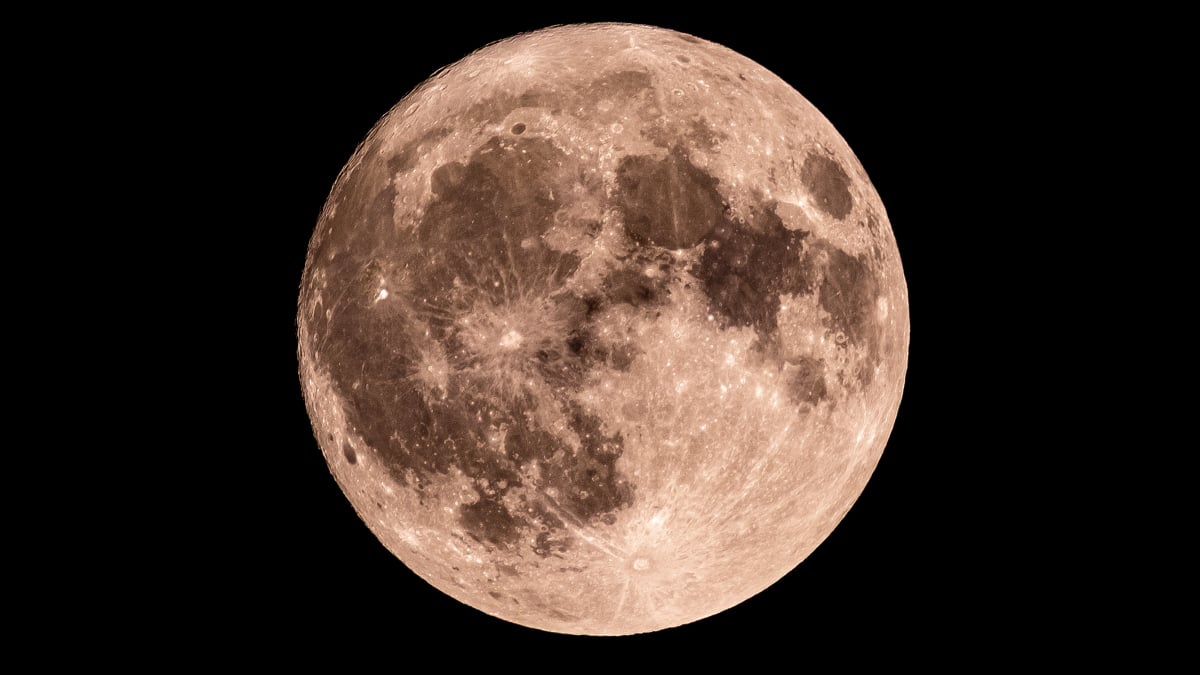
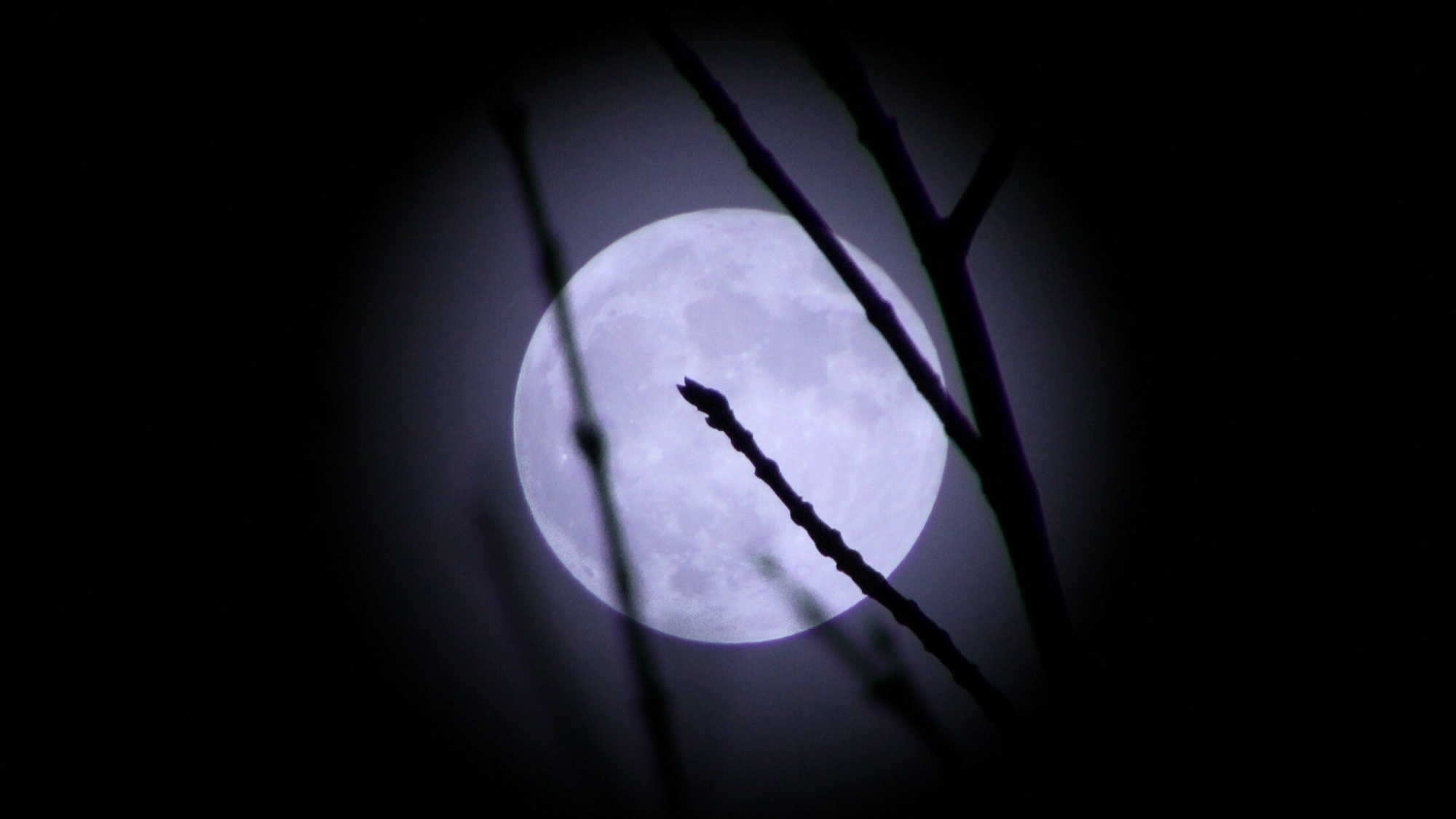
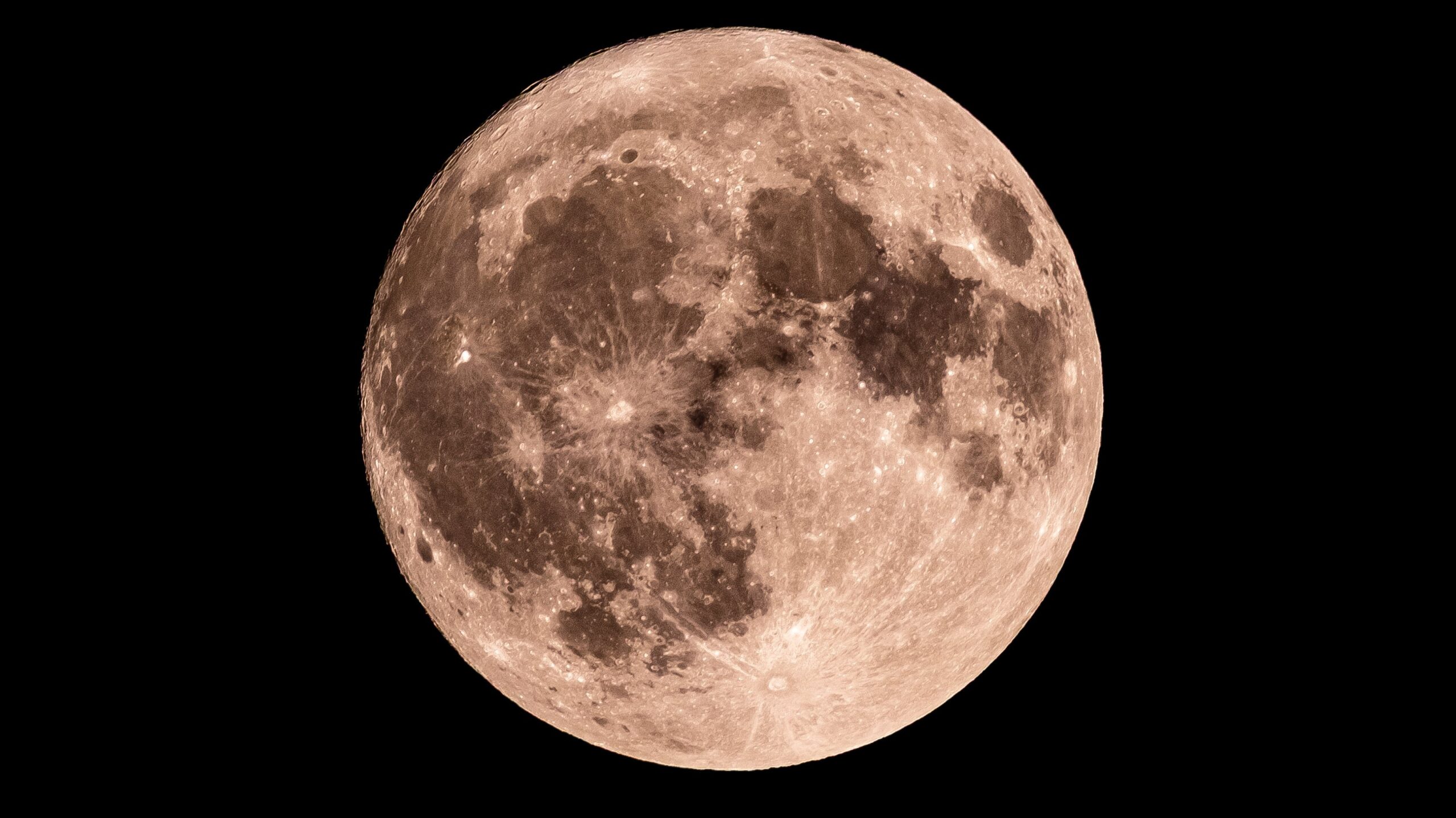
On June 17, 2026, sky-watchers will get a brief look at the Moon’s expected shape and brightness. Along with this lunar preview, Mashable highlights anticipation for the upcoming Full Moon.
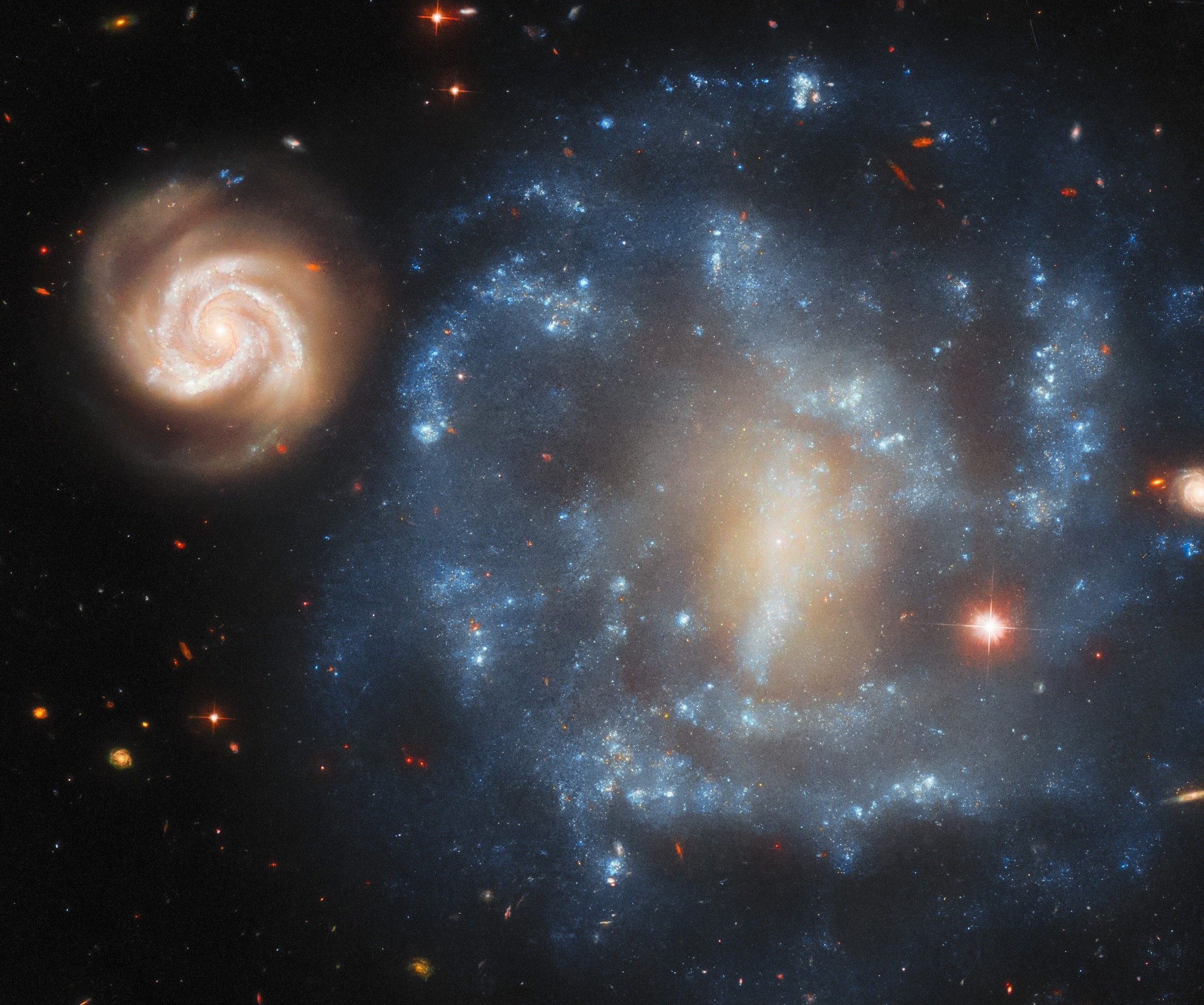
A pair of galaxies, dubbed Arp 4, appears to be locked together in the far reaches of the universe. But despite the striking visual alignment, these two galaxies are actually separated by hundreds of millions of light-years, offering a rare cosmic illusion.
If you’re stuck on Wordle #1745, you’re in luck—this puzzle comes with an astronomy theme perfect for star-lovers. Dive into these hints and tips to uncover the final answer or decide if you want to skip straight to the solution.
In 2026, the skies will come alive with a series of nine remarkable meteor showers. Among them, the Perseids promise to be especially stunning this year, offering countless moments of luminous wonder for star watchers everywhere.
A rare planetary alignment peaks this week, featuring Mercury and Venus in a dazzling display. Dubbed a “planetary parade,” this celestial event promises a moment of wonder for sky enthusiasts everywhere—so long as the weather cooperates.
On February 17, the moon fades from view, offering a limited but golden chance for stargazing. Planets, constellations, and other celestial sights emerge in sharper detail without moonlight washing them out.
January’s Wolf Supermoon welcomes 2026 with a vivid celestial display, reaching peak illumination around 5 a.m. EST on a Saturday. Its larger-than-usual appearance is due to its close proximity to Earth, making this lunar event an especially bright start to the new year.
This December 27, the moon enters its First Quarter phase, with about half of its surface visible on the right side. NASA reports that around 47% of the moon is currently lit, offering a striking nighttime view.
December 21, 2025, marks the shortest day and longest night of the year in the Northern Hemisphere. As the sun reaches its lowest point in the sky, this annual event draws attention from stargazers and environment enthusiasts alike.
Comet 3I/ATLAS, an interstellar visitor monitored by NASA’s Jet Propulsion Laboratory, is making its closest approach to Earth. This rare event offers insight into celestial objects that originate far beyond our solar system.