Taiwan is allocating a historic US$40 billion to defense through 2033, declaring its security “non-negotiable.” President Lai Ching-te rejects Beijing’s “one country, two systems” model, while Japan’s potential involvement heightens geopolitical tensions in the region.
Subscribe
Defense Spending Trends
Global Conflicts
International Politics
Taiwan Boosts Defense Budget To $40BN As President Lai Lashes Out At Beijing

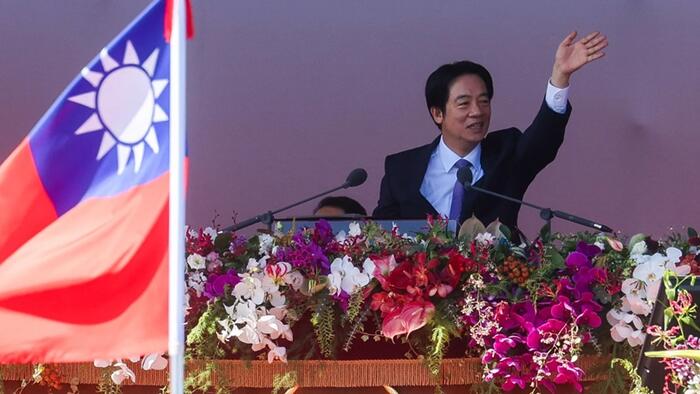
Photo by Zerohedge
Key Takeaways:
- Taiwan’s new defense budget totals US$40 billion.
- The 2026–2033 spending plan targets mounting Chinese military pressure.
- President Lai rejects the notion of “China’s Taiwan” and “one country, two systems.”
- Japan signals possible military intervention if China attacks Taiwan.
- Rising tensions prompt economic retaliation and diplomatic backlash from Beijing.
A Historic Defense Budget Increase
Taiwan on Wednesday announced a substantial boost to its defense budget, putting forward a US$40 billion spending plan for 2026–2033. This remarkable allocation, described by officials as essential to preserving the island’s sovereignty, is seen as the largest defense investment in its history.
President Lai’s Warning to Beijing
President Lai Ching-te framed the expanded budget as a “non-negotiable” measure, pointing out that recent Chinese military maneuvers and propaganda campaigns require a firm response. Lai firmly rejects Beijing’s repeated characterization of Taiwan as “China’s Taiwan,” insisting that the island’s security is not open to debate.
Taiwan’s Stance on “One Country, Two Systems”
Lai has also tackled China’s proposal of administering Taiwan under its “one country, two systems” model. He reiterated that such an arrangement remains unacceptable to Taiwanese society, reflecting the island’s broader consensus on retaining its existing political system and identity.
Japan’s Growing Involvement
The budget announcement coincides with rising friction between China and Japan. Japanese Prime Minister Sanae Takaichi recently stated that Japan would consider intervening militarily if China attacked Taiwan, prompting strong condemnation from Beijing. In response, China has threatened economic retaliation and voiced particular concern over Japan’s plan to deploy a missile system on Yonaguni Island, situated roughly 70 miles from Taiwan.
Beijing’s Response
Chinese officials have denounced both Taiwan’s defense surge and Japan’s heightened military alerts, accusing Tokyo of “militarism” and warning of serious consequences. In an official social media post, China’s foreign ministry reiterated its position that “Taiwan is China’s Taiwan” and that Japan “must never forget that Taiwan is China’s.”
Potential Western Influence
Some analysts in Beijing speculate that Tokyo’s assertive posture might reflect broader Western or U.S. efforts to contain China. Although Japan’s leaders have not backed down, the move risks damaging vital trade relations with China—one of Japan’s largest economic partners.
The overarching atmosphere remains tense, with Taiwan committed to fortifying its defenses and Japan signaling deeper engagement. For the region’s players, navigating these complex dynamics will require balancing national interests with the ever-present risk of deeper conflict.