In our fast-paced world, it’s easy to grab a quick meal without considering its nutritional value. However, emerging research suggests that what we consume doesn’t just impact our physical health—it also profoundly affects our mental well-being. The intricate relationship between diet and mood is a topic gaining significant attention, shedding light on the importance of mindful eating for mental health.
Subscribe
Nutrition
The Connection Between Nutrition and Mental Health: What You Eat Affects Your Mood

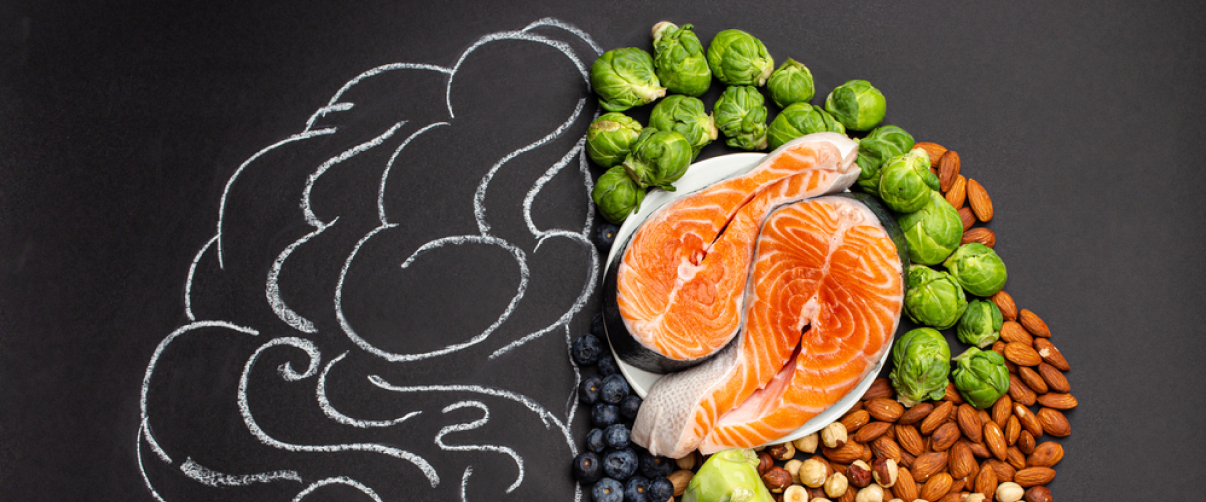
Image: @shutterstock 1896956995
The Impact of Diet on Mood
Our brains require a variety of nutrients to function optimally. Consuming a diet rich in vitamins, minerals, and antioxidants can lead to better brain function and improved mood. Nutrient-rich foods positively impact brain function and mood, promoting feelings of energy and well-being. Conversely, a diet high in processed foods and sugars can have the opposite effect, leading to feelings of lethargy and mood swings.
Moreover, the gut-brain connection plays a crucial role in this dynamic. The gut microbiome, consisting of trillions of bacteria in our gastrointestinal system, communicates directly with our brain. Certain foods can disrupt this communication, leading to inflammation and negatively affecting mood-regulating chemicals like serotonin and dopamine. Understanding this connection helps explain why dietary choices can influence our emotions and overall mental state.
Inflammation and Mental Health
Inflammation is the body’s natural response to what it perceives as threats, but chronic inflammation can have detrimental effects on mental health. Diets high in refined carbohydrates can exacerbate depression and anxiety through repeated fluctuations in blood glucose levels, leading to the release of stress hormones like cortisol. These hormonal changes may contribute to mood variations and irritability.
On the flip side, consuming anti-inflammatory foods can help reduce these risks. Foods rich in omega-3 fatty acids, antioxidants, and other anti-inflammatory compounds support brain health and can alleviate symptoms of depression and anxiety.
The Role of Blood Sugar Levels
Blood glucose spikes from dietary choices can cause mood swings, and stabilizing blood sugar through diet can help prevent these swings. When we consume sugary or highly refined foods, our blood sugar rises rapidly, leading to a short-lived energy boost followed by a crash. This crash can leave us feeling irritable, tired, and depressed. Maintaining stable blood sugar by eating complex carbohydrates, fiber-rich foods, and proteins can help sustain energy levels and mood throughout the day.
Strategies for Mood Improvement Through Diet
To harness the power of nutrition for mental health, consider the following strategies:
-
Increase Consumption of Whole Foods: Incorporate more fruits, vegetables, whole grains, lean proteins, and healthy fats into your diet. These foods provide essential nutrients that support brain function.
-
Minimize Ultraprocessed Foods: Ultraprocessed foods are linked to mental health issues like depression. Limiting these can reduce inflammation and support a healthier gut microbiome.
-
Focus on Healthy Fats and Proteins: Healthy fats are necessary for brain cell structure and mood management. Proteins support neurotransmitter production, aiding in mood regulation.
-
Maintain a Balanced Eating Routine: Eating regular meals every 3-5 hours helps stabilize blood sugar levels, preventing mood swings caused by low blood sugar.
-
Stay Hydrated: Adequate hydration is essential for overall health and can influence mood and energy levels.
The Mediterranean Diet and Mental Health
Studies have shown that traditional diets like the Mediterranean diet, which is rich in vegetables, fruits, unprocessed grains, and fish, are associated with lower risks of depression. This diet emphasizes high consumption of fruits, vegetables, nuts, and limited red meat, providing the body with the nutrients needed for optimal brain health.
The Importance of Mindful Eating
Beyond what we eat, how we eat also matters. Engaging in mindful eating practices can enhance the satisfaction and nutritional benefits of our meals. By recognizing emotional eating triggers and practicing mindful eating, we can improve our relationship with food and support our mental health.
Personalized Nutrition for Optimal Mental Health
Everyone’s body responds differently to various foods. Researchers are engaged in studies to understand how individual responses to food can vary, aiming to develop personalized diet strategies. Keeping a food journal can help track how different foods affect your mood, allowing you to tailor your diet to your specific needs.
Conclusion
The connection between nutrition and mental health is undeniable. By making conscious dietary choices, we can positively influence our mood, energy levels, and overall mental well-being. Promoting nutritious diets while reducing the intake of processed foods could have widespread physical and psychological benefits.
Remember, if you’re experiencing severe mental health issues, it’s essential to seek professional help. Nutrition is a significant piece of the puzzle, but it’s one part of a comprehensive approach to mental health.