The Revolutionary War gunboat “Philadelphia” fought the British for only one day, yet its significance endures. Submerged for 160 years in Lake Champlain, this 29-ton relic reveals how the struggles of 250 years ago still shape our view of American history.
Subscribe
Historical Sites
The Gunboat ‘Philadelphia’ Lasted One Day in Battle. It’s Still Telling Us About the Revolution 250 Years Later.

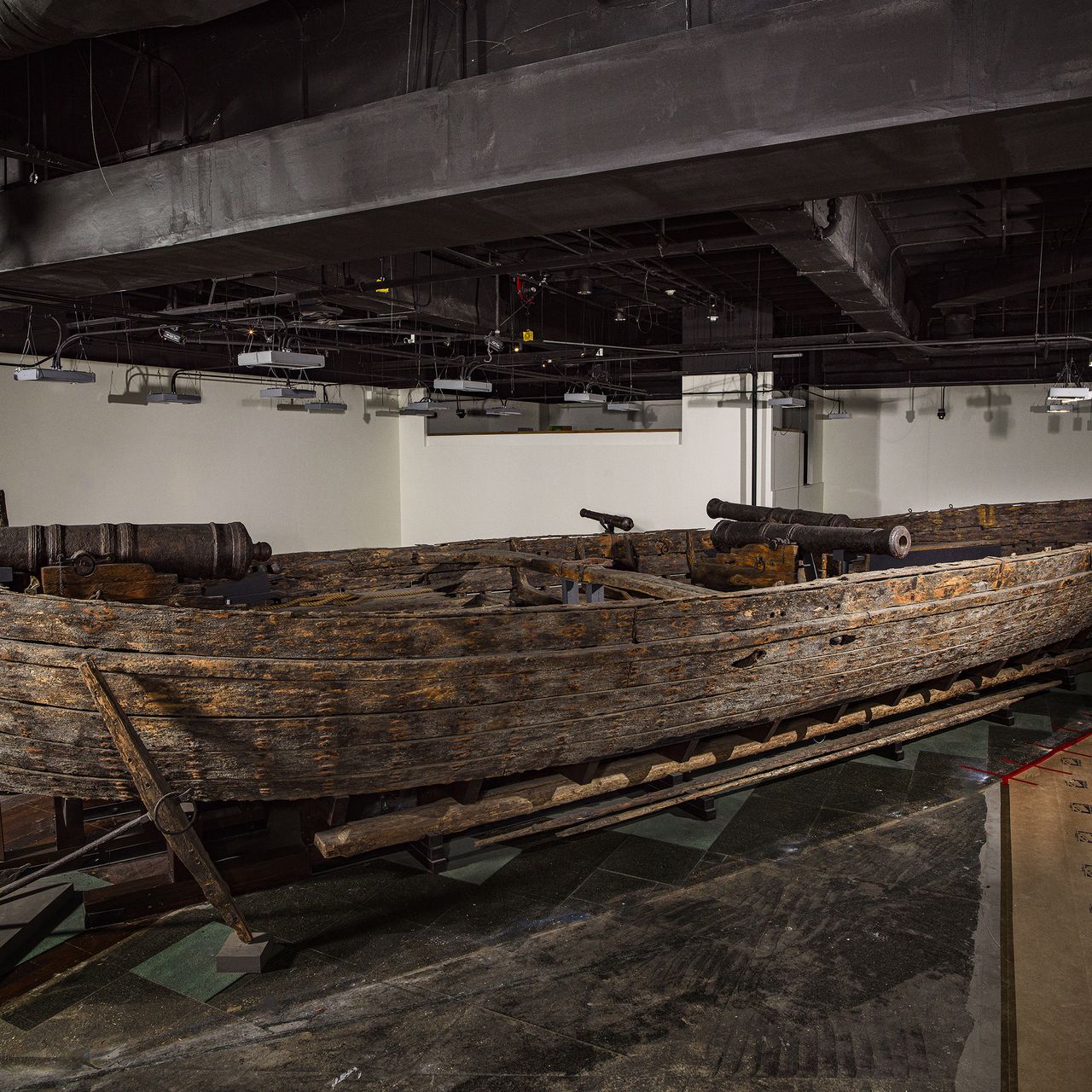
Photo by Smithsonian Magazine
Key Takeaways:
- The “Philadelphia” was a 29-ton Revolutionary War gunboat.
- It lasted just one day in active battle against the British.
- The vessel remained underwater in Lake Champlain for 160 years.
- It serves as a window into early American history, even 250 years later.
- Historians call it a “relic of ragged glory.”
The Short-Lived but Enduring Warship
The gunboat “Philadelphia” joined the fight against the British with a mere day of combat in the Revolutionary War. As a 29-ton vessel, it stood as a testament to the young nation’s determination. Though its active battle service was extremely brief, the repercussions of its existence would be felt long after its defeat.
Sinking and Rediscovery
This formidable ship ultimately sank in Lake Champlain, where it lay for 160 years. Its time hidden beneath the surface preserved not only the physical structure but also the historical essences of a turbulent era. When rediscovered, the “Philadelphia” became an invaluable resource for understanding the material realities of an 18th-century warship.
A Relic’s Story Through Time
Despite its short battle career, the “Philadelphia” remains a tangible connection to the American Revolution. Artifacts and vessels like this illuminate how a fledgling nation defended itself against the British Empire. Standing at the intersection of legend and artifact, the gunboat’s continued relevance is a reminder that what happened centuries ago can still speak powerfully to the present.
Preserving the Past
The “Philadelphia” is often referenced as a “relic of ragged glory,” capturing the spirit of an emerging country fighting for independence. For historians, enthusiasts, and curious visitors, its story offers a direct link to the Revolutionary War, demonstrating why preserving historical fragments is essential to keeping the lessons of the past alive.