As families gather by the glow of twinkling lights, unproven health tips can spread faster than holiday cheer. This piece helps readers separate evidence-based advice from seasonal folklore.
Subscribe
Analysis and Opinions
The Holiday Misinformation Survival Guide

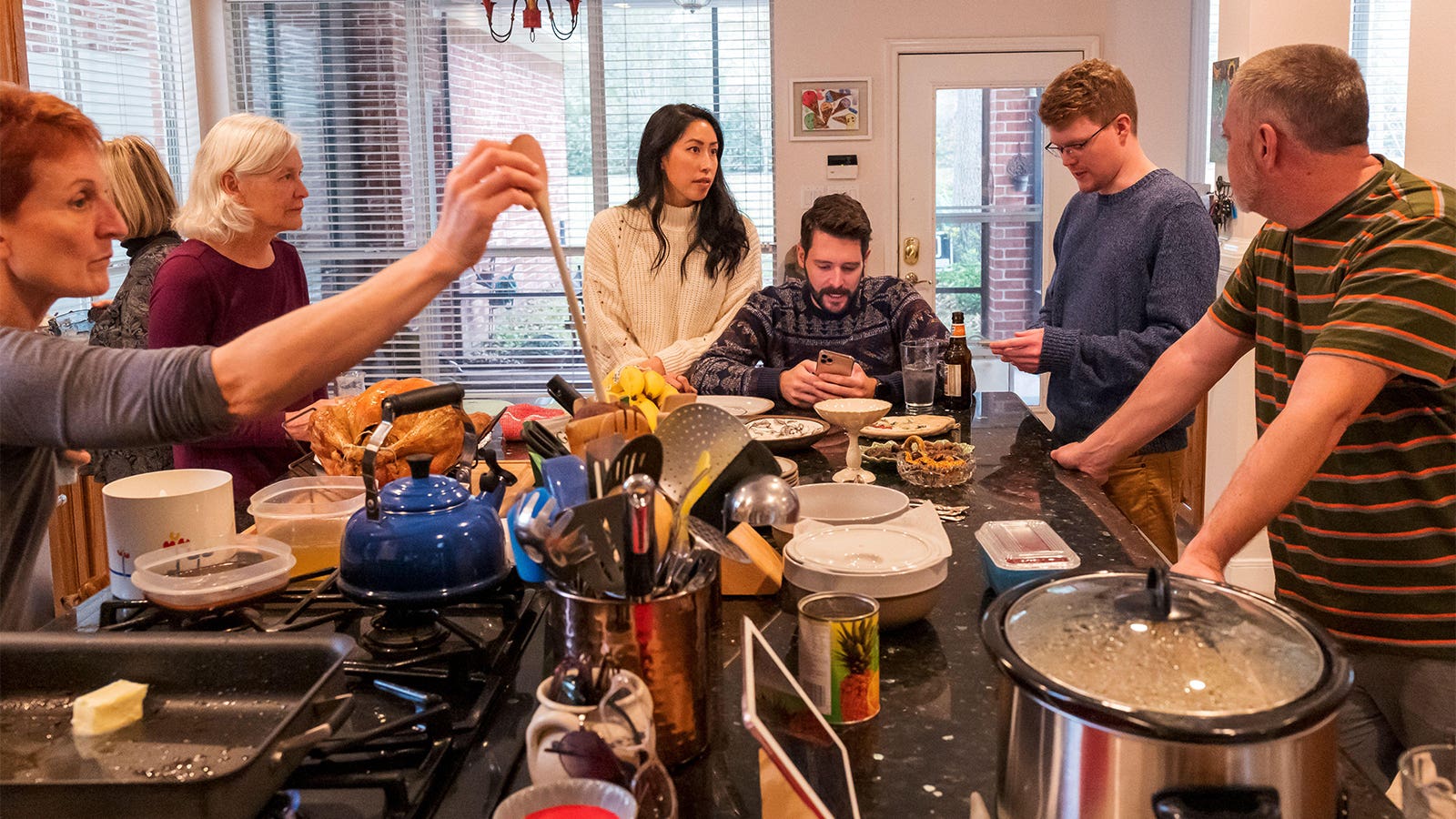
Photo by Medpagetoday
Key Takeaways:
- Holidays Often Bring Misinformation
- Tradition Plays a Role
- Crowded Tables, Crowded Opinions
- Importance for New Healthcare Professionals
- Need for Informed Response
The Holiday Misinformation Landscape
The holiday season is a time of gleaming decorations, bustling celebratory meals, and lively gatherings. Yet amid the glow of festive lights, an endless parade of bold medical claims can threaten to turn excitement into uncertainty. According to the original story, these statements can make even seasoned experts break into a sweat, particularly if they are new to healthcare.
Bold Claims and Family Traditions
Every family has its own version of holiday celebration. Some bake cookies, while others follow long-held practices that might seem quirky. However, these very traditions can open the door to health claims based on folklore rather than verified sources. Whether Aunt Linda swears by a “miracle” tea or a cousin touts a quick-fix remedy, the parade never ends when families come together.
Navigating Conversations
Being new to healthcare—or simply wanting to stay fact-focused—can add social pressure when confronted with confident (but often unverified) declarations. Understanding how to gently question sources and weigh the credibility of claims can help maintain a festive atmosphere while steering everyone toward accurate information.
Tips for a Healthy Holiday Dialog
Maintaining a calm approach is key. First, listen carefully to the claims being made. Then, propose looking into reputable medical resources if something sounds too good—or too alarming—to be true. These steps can help you respond thoughtfully without dampening the holiday spirit.
Looking Ahead
Family traditions keep the season memorable, and understanding how to address or even debunk misinformation can ensure conversations remain both enjoyable and enlightening. By separating evidence-based advice from seasonal hearsay, you can keep the holiday table free from confusion—leaving more room for cookies, connection, and genuine cheer.