Kratom, a plant-derived substance with opioid-like effects, faces renewed scrutiny as Robert F. Kennedy Jr. seeks to ban a key ingredient known as 7-OH. MAHA’s decision to back one side in this intensifying debate underscores the conflict’s potential to shape future health policy.
Subscribe
Analysis and Opinions
Healthcare Reforms
Policy Analysis
The Kratom Civil War Is Heating Up, and MAHA Has Picked a Side

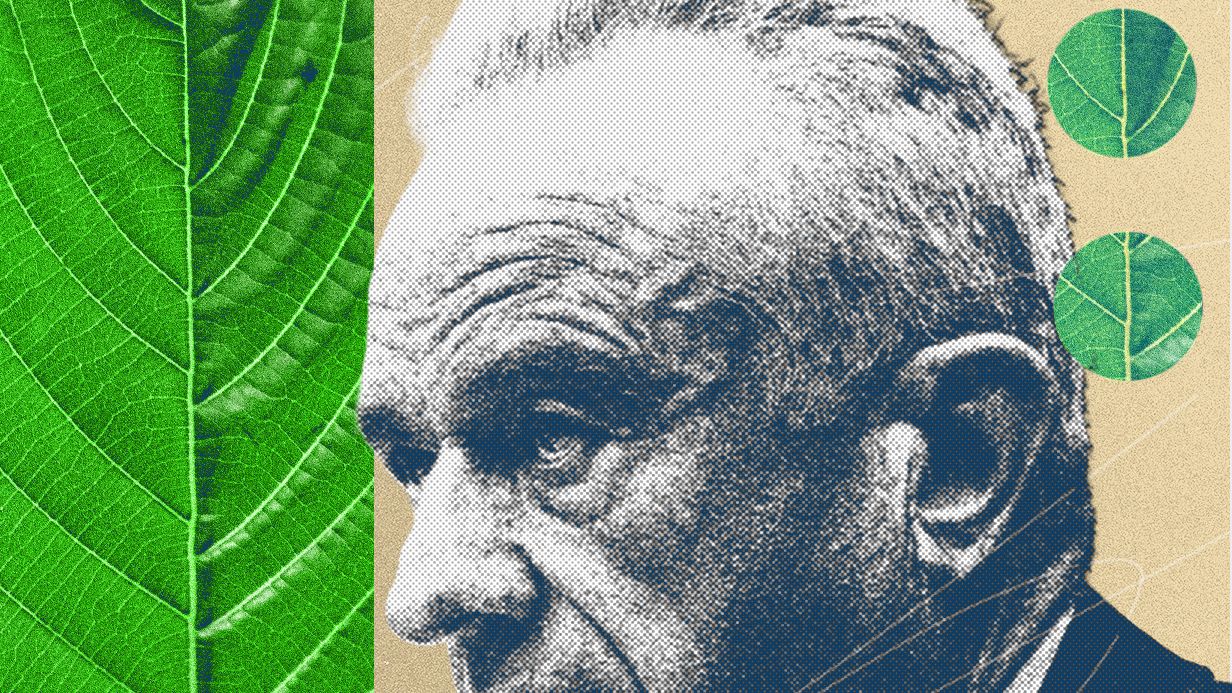
Photo by Wired
Key Takeaways:
- Kratom and its component 7-OH exhibit opioid-like effects.
- Health Secretary Robert F. Kennedy Jr. aims to ban 7-OH nationwide.
- The substance remains widely available across the United States.
- MAHA has publicly taken a stand in the escalating conflict.
- The outcome could influence how the US addresses alternative remedies in the future.
The Ongoing Debate
Kratom has developed a deep foothold in the United States, where countless users rely on it for a variety of reasons. But the plant, along with one of its main components, 7-OH, has drawn scrutiny for its opioid-like effects. A new storm is brewing as lawmakers, health officials, and advocacy groups clash on how or whether to regulate kratom’s active ingredients.
Kratom and 7-OH
Although kratom comes from a plant native to Southeast Asia, it has gained significant popularity in the US. One of its components, 7-OH, is believed to be partially responsible for the plant’s painkilling and mood-altering capabilities. Advocates argue that kratom and 7-OH can be beneficial when used correctly, while critics express concern about safety and potential dependency.
RFK Jr.’s Ban Proposal
Stepping into the controversy is Health Secretary Robert F. Kennedy Jr., who recently announced his plan to ban 7-OH. This move, he asserts, is necessary to curb the increasing risks associated with unregulated opioid-like substances. While some praise the proposition as a step toward better public health protections, proponents of kratom consider it a misguided action that ignores the potential benefits of the plant.
MAHA’s Public Stand
Among the high-profile stakeholders is MAHA, which has openly decided which side to support. Although details of their strategy stay under wraps, their endorsement reflects how polarizing the kratom conflict has become. With regulatory decisions looming, MAHA’s stance could alter the state of play for producers, retailers, and users alike.
Broader Implications for Health Policy
The debate over kratom and 7-OH hints at ongoing tensions in American health policy. As opioid overdoses continue to plague communities, natural alternatives have attracted renewed attention. Whether kratom is a dangerous substance in need of a ban or a legitimate option for those seeking non-traditional solutions remains the crux of this growing dispute. For now, all eyes are on how lawmakers, lobbyists, and advocacy groups navigate an issue that could reshape the future of dietary supplements and herbal remedies across the nation.