Rarely used federal statutes, including the Posse Comitatus Act and the Insurrection Act of 1807, carry surprising weight in modern politics. Though they date back to Reconstruction-era America, these laws affect debates about deploying troops and the limits of federal power.
Subscribe
Analysis and Opinions
Policy Analysis
The Law and You: Yes, ‘posse comitatus’ is that kind of posse … kind of


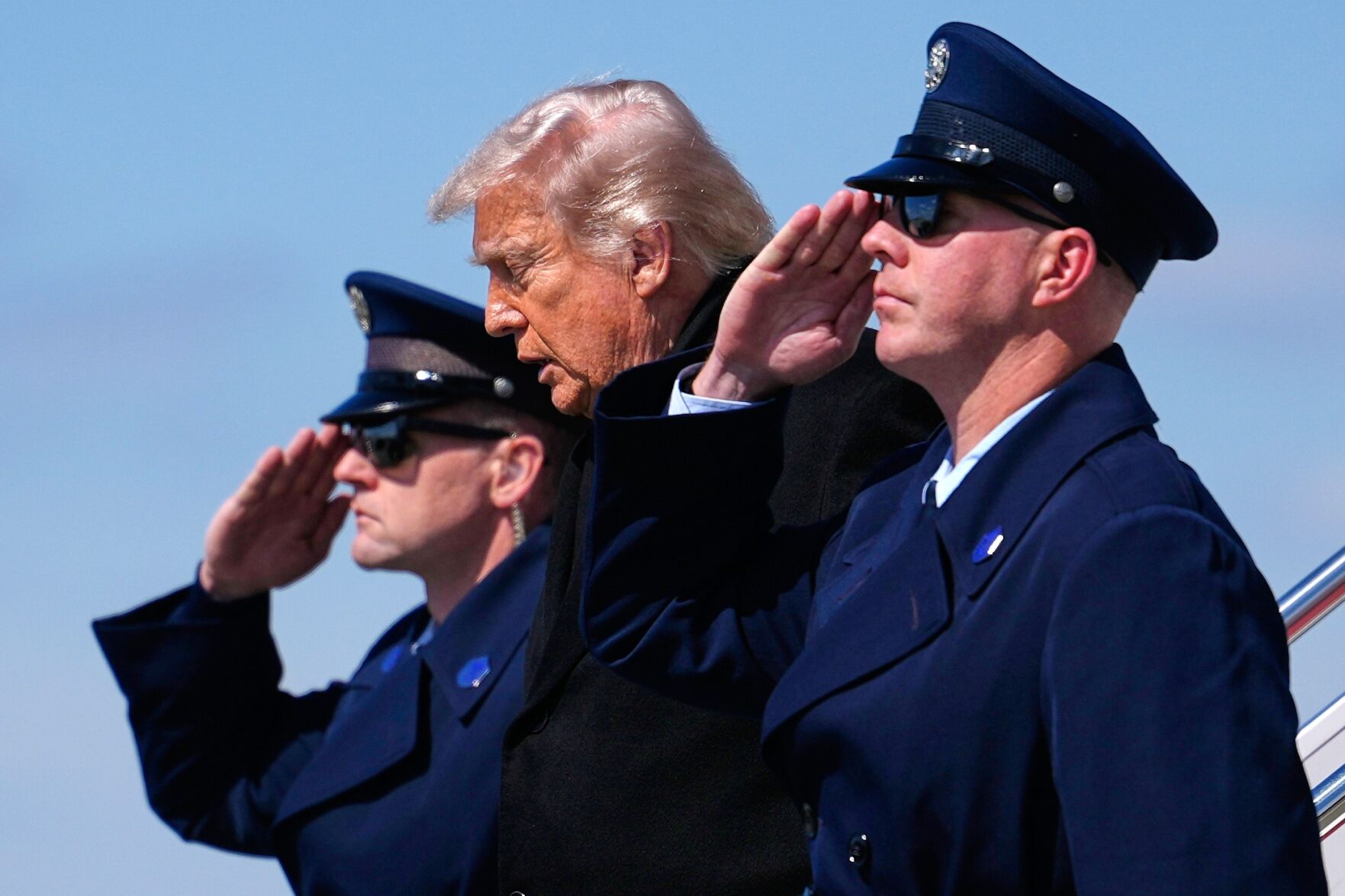
Photo by Press Republican
Key Takeaways:
- Posse Comitatus limits federal military involvement in domestic law enforcement
- The Insurrection Act of 1807 provides exceptions for federal troop deployment
- These rarely used statutes have regained attention with recent events
- Historical ties to Reconstruction and the Supreme Court frame today’s debates
- Public understanding of these laws remains essential for American society
The Relevance of Rarely Used Laws
Almost certainly, you never thought you’d be trying to figure out old federal laws that have hardly ever been used. But here we are, and they are important. Federal legislation like the Posse Comitatus Act and the Insurrection Act of 1807 may sound arcane, yet they can become pivot points in times of national unrest.
A Closer Look at Posse Comitatus
“Posse comitatus” might conjure images of a local sheriff rounding up a posse in the Old West, and in a way, that is part of its origin. Today, the Posse Comitatus Act typically refers to the limitations on how the federal government can use its military to enforce domestic law. This restriction plays a significant role whenever issues of federal troop deployment arise.
The Insurrection Act and Its Impact
The Insurrection Act of 1807 represents another pivotal but rarely invoked tool. Under certain circumstances, it allows the government to deploy federal forces within the United States’ borders. Understanding this act becomes crucial in moments of significant civil unrest, highlighting the delicate balance between upholding public order and preserving civil liberties.
Historical Context and Figures
References to Reconstruction-era politics and leaders like Rutherford B. Hayes underline how these laws trace their origins to tumultuous periods in American history. From the Reconstruction Era onward, conflicts over federal versus state power have periodically thrust these statutes to the forefront. The Supreme Court of the United States has also weighed in on cases that shape the interpretation of such laws and their relevance to modern governance.
Significance in Today’s Climate
Although decades, or even centuries, old, these laws have surfaced in recent memories, particularly the 2020 deployment of federal forces in certain U.S. cities. This raised public questions about the legal boundaries and justifications for such actions. The renewed attention underscores the laws’ enduring power and the importance of knowing how they might be interpreted or invoked.
Why Awareness Matters
In an era where legal and political debates can shift rapidly, understanding these seemingly archaic legislations is more important than ever. While the hope is that they remain seldom used, having a grasp of these federal acts ensures that the public can engage in informed discussions. When government authority and military involvement intersect, clarity about what is—and isn’t—allowed under the law becomes vital for maintaining a healthy democracy.