New crash data exposes the states most dangerous for drivers, focusing on the impacts of speeding, rural roads, and alcohol. The findings shed light on why certain regions pose higher risks behind the wheel.
Subscribe
Policy Analysis
Safe Practices
The Most Dangerous States for Drivers

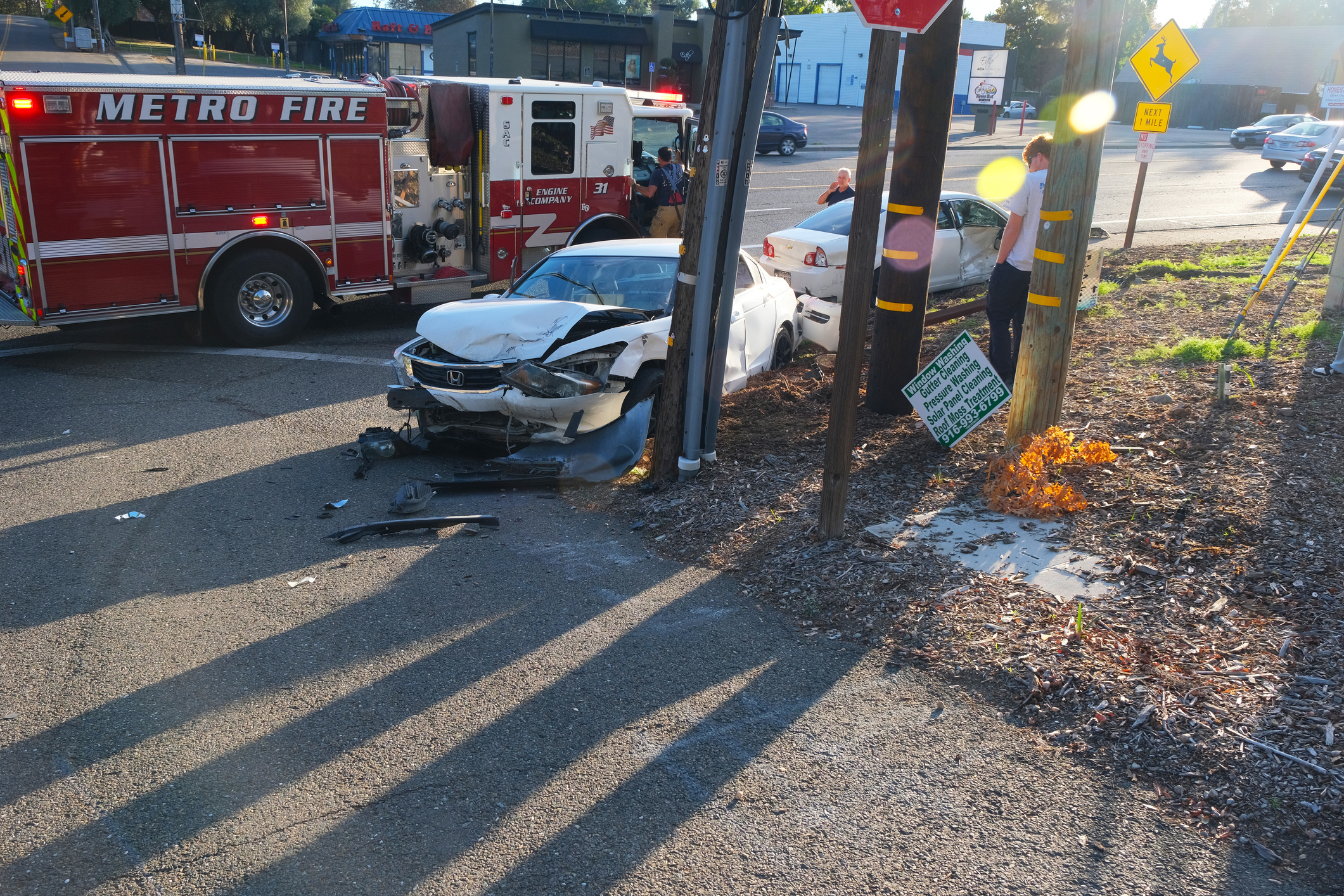
Photo by Newsweek
Key Takeaways:
- The article identifies which U.S. states pose the highest risks for drivers.
- Rural roads often compound accident severity due to limited infrastructure.
- Speeding remains a major cause of fatal crashes nationwide.
- Alcohol-impaired driving continues to be a critical factor in road fatalities.
- These findings underscore the need for continued driver education and policy responses.
The Scope of the Danger
Crash data reveals that not all states are equal when it comes to driver safety. While accidents can happen anywhere, certain regions stand out for their higher rates of fatal incidents. A combination of rural road conditions, speeding, and alcohol-related fatalities is at the heart of this disturbing trend.
Rural Roads and Higher Risks
One of the key takeaways from the data is the heightened danger faced by drivers on rural roads. Often marked by limited lighting, narrower lanes, and longer emergency response times, these routes can be unforgiving. This reality is especially evident in states with vast rural expanses, where infrastructure challenges and slower emergency services worsen the odds of surviving a crash.
Speeding and Alcohol: A Lethal Combination
Among the most common factors driving these grim statistics are speeding and alcohol impairment. Speed limits on rural highways can be higher, and drivers may feel tempted to push well beyond those limits. Meanwhile, alcohol remains a perennial threat, with the data underscoring how driving under the influence continues to claim lives in states where enforcement efforts struggle to cover large geographic areas.
Spotlight on Specific States
Mississippi, Wyoming, and Montana are among the states most frequently noted for higher driver risk. The rural nature of these areas, coupled with speed and alcohol-related infractions, exacerbates the danger. While the data highlighted in the original report does not delve into precise numbers for each state, it suggests that these factors are especially pronounced there.
Implications for Public Safety
The findings presented in this report underscore the need for targeted policy changes and sustained public awareness campaigns. Law enforcement agencies, local governments, and community organizations may look to invest in improved road infrastructure, broaden awareness about driving under the influence, and enhance speed-limit enforcement.
By addressing the root causes—whether that means improving rural road design or curbing reckless driving—states can better protect drivers and reduce preventable fatalities. Drivers, too, play a role: staying alert, obeying speed limits, and avoiding alcohol behind the wheel can literally mean the difference between life and death on America’s highways.