The recent “Amazon-UPS divorce” has shaken the logistics world, especially throughout Asia. Singapore, often viewed as a regional pivot, now faces a critical choice: compete on scale or redefine itself through orchestration and strategy.
Subscribe
Analysis and Opinions
Industry News
The Singapore Supply Chain Blueprint: Lessons From the Amazon-UPS ‘Great De-Coupling’


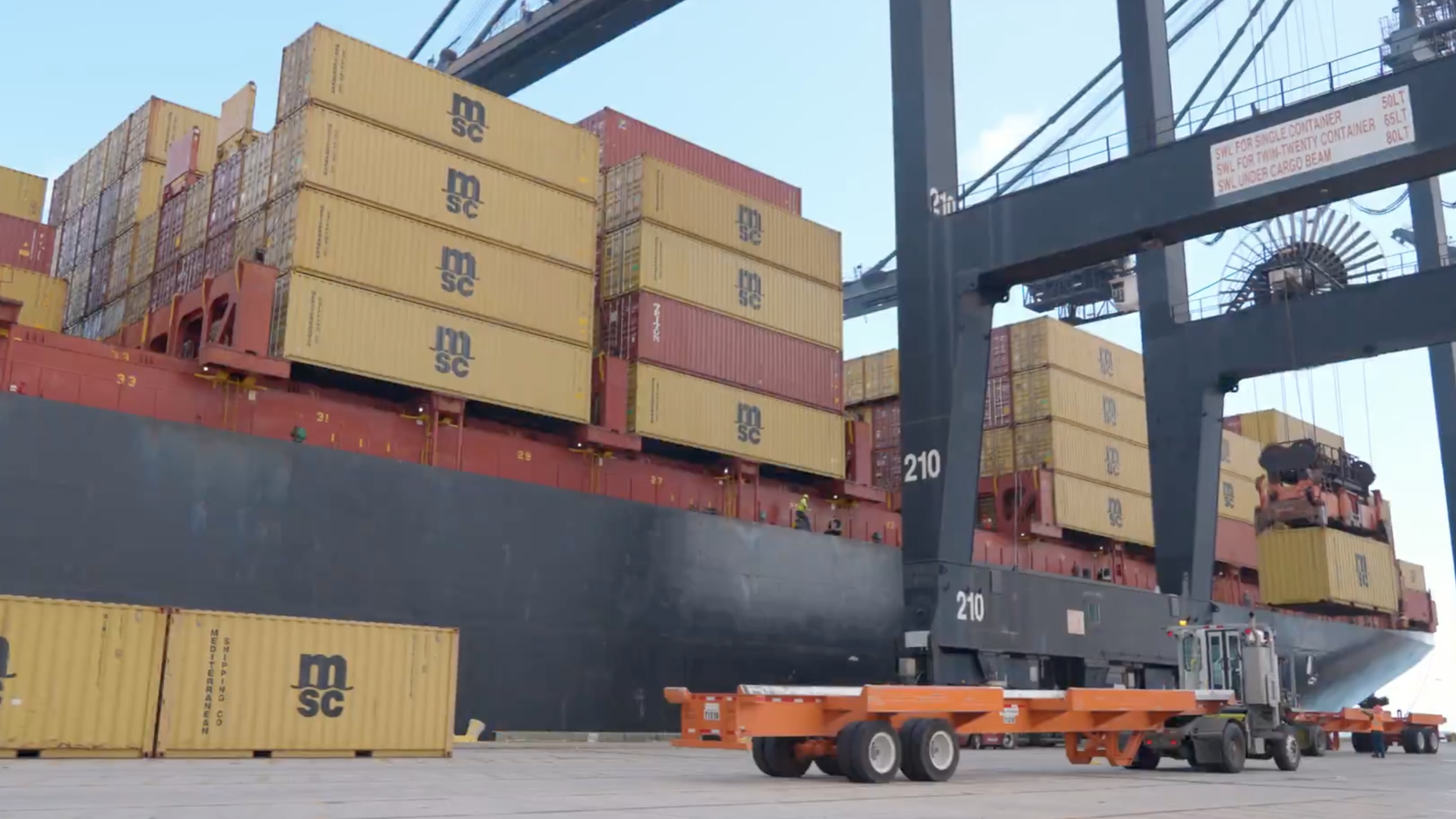
Photo by Supply Chain Brain
Key Takeaways:
- The Amazon-UPS split signals a major shift in global logistics models.
- It serves as a wake-up call for Asia’s logistics sector.
- Singapore is urged to move beyond volume-based strategies toward orchestration.
- This “Great De-Coupling” highlights fast-evolving priorities in shipping.
- Urgent adaptation could help Singapore maintain a competitive edge.
The Amazon-UPS ‘Great De-Coupling’
The recent break in business ties between Amazon and UPS, sometimes referred to as the “Great De-Coupling,” has sent reverberations through the logistics world. Although the particulars remain limited, the outcome is clear: even heavyweights once thought inseparable can abruptly part ways. Observers across Asia are framing this as a cautionary tale, emphasizing that global shipping is in flux.
A Wake-Up Call for Asia
For logistics professionals in Asia, the Amazon-UPS divorce is a stark reminder of how quickly priorities can shift. Traditional reliance on large-scale partnerships and mass shipping volumes might not guarantee ongoing success. Instead, this rift reveals how dynamic the supply chain becomes when companies find new ways, or different partners, to move goods.
Singapore’s Strategic Role
The focus now turns to Singapore, already known for its robust infrastructure and forward-thinking trade policies. Lessons from this split point to a need for Singaporean logisticians and policymakers to realign their focus. The message is clear: “Don’t compete on volume; dominate on orchestration.” In other words, capacity alone is insufficient — fine-tuning processes, integrating digital solutions, and ensuring seamless coordination can distinguish Singapore from regional competitors.
The Path Forward
Looking ahead, Singapore’s blueprint might revolve around orchestrating supply chain networks that offer specialized, reliable, and efficient solutions. Attention to detail, combined with the strategic positioning of Asia’s trade hub, could strengthen its standing in a newly recalibrated logistics environment. As the Amazon-UPS scenario proves, disruptions can spark reinvention. By adopting an orchestration-centric approach, Singapore stands ready to evolve in tandem with — or even ahead of — global shifts in shipping and supply chain design.