In 1985, the U.S. Air Force carried out a historic test, proving that a satellite could be destroyed in orbit by a missile. This marked the first time in history that an orbital target was successfully hit, foreshadowing future advancements in anti-satellite capabilities.
Subscribe
Global Conflicts
International Politics
Modern Weaponry
The US Air Force Once Blew Up a Satellite—Just to Prove It Could

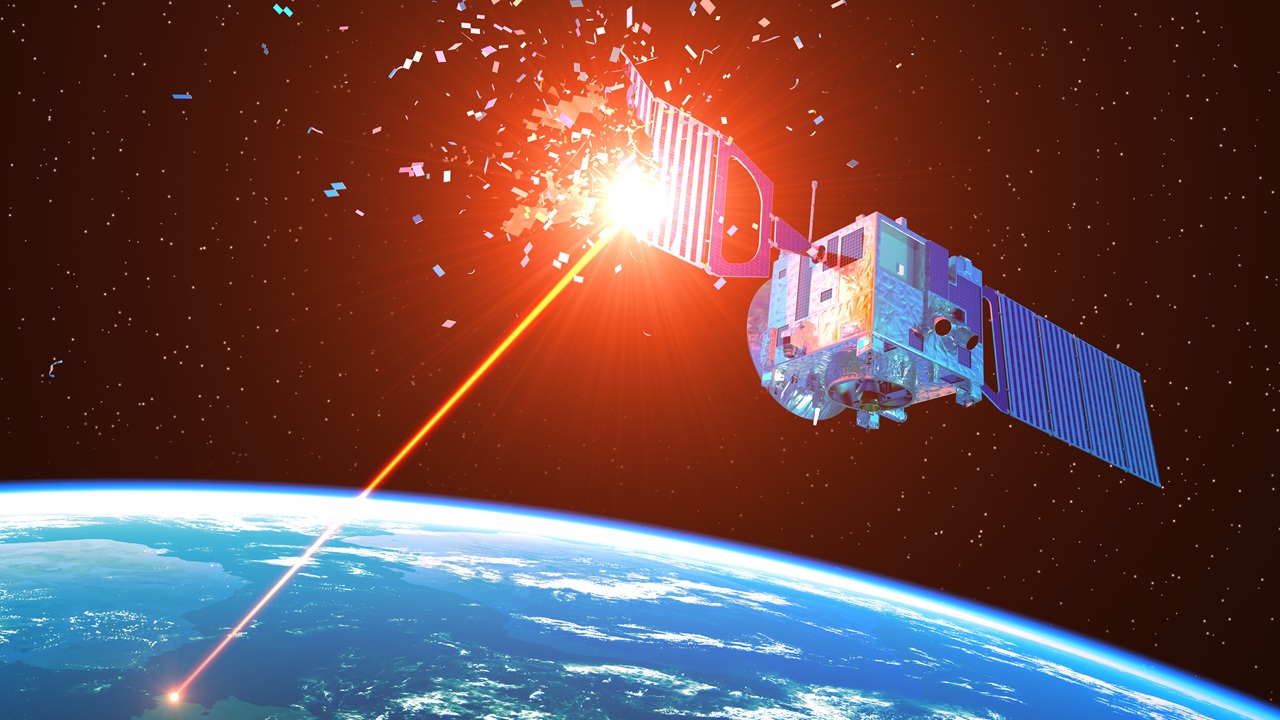
Photo by The National Interest
Key Takeaways:
- In 1985, the U.S. Air Force conducted a notable demonstration of anti-satellite capabilities.
- The ASM-135 missile was used for the first successful kinetic destruction of a satellite.
- This test highlighted the potential for more anti-satellite activity in the future.
- The demonstration remains significant for its historic and strategic implications.
- Concerns about space debris and future military planning emerged from this test.
The 1985 Milestone
In the mid-1980s, amid ever-evolving military technology, the U.S. Air Force embarked on a bold experiment to test the feasibility of destroying a satellite in orbit. The result was the first-ever kinetic hit on an orbiting object: a successful strike that opened new possibilities—and raised new questions—about operations in outer space.
The Missile Behind the Strike
Central to the test was the ASM-135, a missile designed to reach its target traveling above the Earth’s atmosphere. Launched in 1985, it intercepted and destroyed an American satellite in orbit, showcasing precision that few had imagined possible at the time. This demonstration had immediate effects on global perceptions of satellite security and warfare capabilities.
A Lasting Impact on Military Strategy
Experts at the time recognized that this event paved the way for future advancements in anti-satellite systems. Though the 1985 test was groundbreaking, it was not destined to stand alone; other tests would follow, underscoring that satellites were no longer invulnerable. As technology advanced, governments worldwide would watch closely, knowing that satellites played—and continue to play—a critical role in communication, surveillance, and strategic planning.
Reflections on Satellite Security
Although the full details of the long-term effects on space debris were not immediately available, the act of destroying a satellite in orbit raised concerns about the potential hazard of debris to other spacecraft. For the United States and other nations, balancing technological ambition with the safety and sustainability of space would become an ongoing priority, underlining the enduring significance of the 1985 test.
By demonstrating a capability once considered nearly impossible, the U.S. Air Force created a defining moment in the history of space and military technology—one that has continued to shape policies and potential conflicts in Earth’s orbit.