High in the Rocky Mountains near Granby, Colorado, streams that once fed the Colorado River have disappeared. This unnerving dryness in what used to be lush meadows has sparked alarm about the future of a river relied upon by seven states.
Subscribe
Global Warming Effects
‘This is terrifying’: The Colorado River, a lifeline for seven states, is drying up at its source

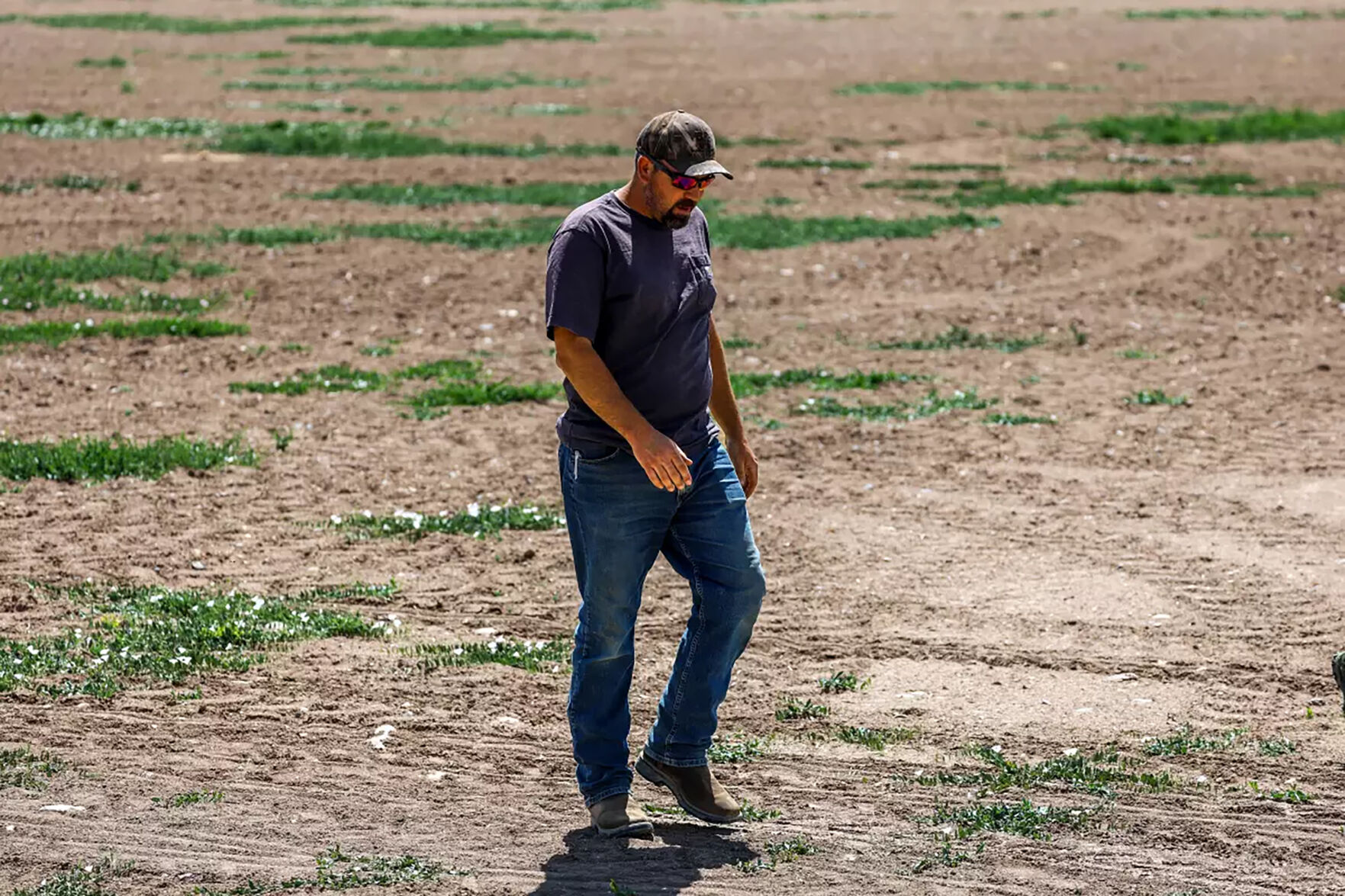
Photo by Lodinews
Key Takeaways:
- The Colorado River’s source in the Rocky Mountains is drying at an alarming rate.
- Once-spongy meadows have turned into patches of cracked mud.
- Locals describe the situation as “terrifying,” highlighting the urgency.
- Extremely warm and arid conditions have worsened the disappearance of spring-fed streams and ponds.
- The Colorado River is a critical water lifeline for seven states.
The Disappearing Source
High in the Rocky Mountains near Granby, Colorado, the once-reliable water sources that feed the Colorado River have all but vanished. Spring-fed streams and shallow ponds have dried up, leaving behind barren patches of cracked mud. This development has elicited one potent sentiment from observers and locals alike: “This is terrifying.”
Why the Colorado River Matters
The river is a critical lifeline for seven states, making its decline at the source especially concerning. Agriculture, drinking water supplies, and entire communities downstream depend on flows that originate in these high-altitude meadows. When these spring-fed streams vanish, the impact ripples far beyond Granby.
Extreme Warmth and Aridity
According to the original report, this year has been so warm and lacking in rain or snowfall that the mountain environment has remained unusually dry. Regions that were typically damp and lush at this time of year are now unrecognizable. The striking change from spongy terrain to hardened, cracked earth underscores the severity of these conditions.
Looking Ahead
Although the full repercussions of this drying trend have yet to unfold, the situation has already raised serious concerns. With the Colorado River’s source showing signs of distress, the reality of a more arid future looms large for both high-mountain communities and the seven states relying on its flow. Observers warn that without relief from persistent heat and scarce precipitation, the region may continue to face troubling conditions—and an uncertain water future.