The Middle East conflict has led to sweeping disruptions in the global supply of oil, gas, and more. With nearly 27% of maritime oil shipments affected by bottlenecks in the Strait of Hormuz, industries face historic shortages and mounting infrastructure strain. Early estimates suggest repairs to critical LNG facilities could take years to complete.
Subscribe
Global Conflicts
Industry News
International Politics
Middle East
Top 5 Commodities Impacted By The Iran War

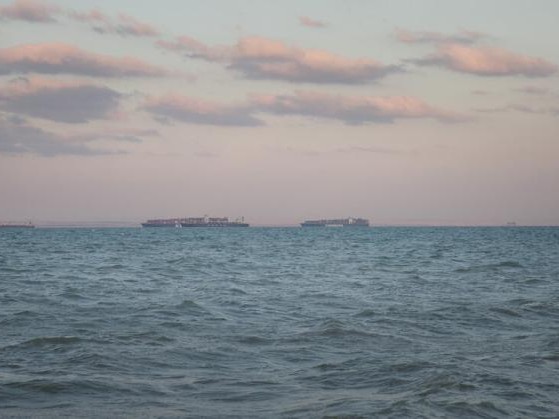
Photo by Oil Price
Key Takeaways:
- Middle East conflict triggers major supply shocks across multiple commodities
- Strait of Hormuz safeguards nearly 27% of global maritime oil trade
- Gulf energy infrastructure experiences historic shortages and strain
- Qatar’s LNG repairs may extend over five years
- Petrochemicals, agriculture, and shipping also face escalating uncertainty
A Critical Flashpoint in the Middle East
The ongoing conflict in the Middle East has unleashed a wave of disruptions across global commodity markets. Energy, petrochemicals, agriculture, and shipping industries are all feeling the effects. Analysts note that the magnitude of the crisis is unprecedented, as it ripples across continents and injects volatility into pricing and supply chains.
Strait of Hormuz: A Strategic Chokepoint
One of the biggest concerns centers on the Strait of Hormuz, a narrow maritime corridor that handles nearly 27% of the world’s oil trade. Any disruption along this channel reverberates almost immediately in global markets. Historic shortages have already been reported, signaling that existing reserve capacities may be insufficient if tensions persist.
Long-Term Infrastructure Strain
Beyond immediate shortages, regional infrastructure faces potentially severe long-term strain. Damage to liquefied natural gas (LNG) facilities in Qatar is of particular concern, as experts predict it could require up to five years to restore full operational capacity. This protracted timeline highlights the scale of the challenges Gulf energy producers now confront.
Implications for Global Commodities
These disruptions extend beyond oil and LNG. Petrochemical production has slowed, and shipping companies are grappling with rerouted or suspended routes, creating delays for essential goods. Agriculture, relying on stable fuel and fertilizer supplies, faces rising costs. As a result, global supply chains are bracing for ripple effects that may persist even if the region’s tensions subside.
Future Outlook
Even with ongoing de-escalation efforts, the conflict’s repercussions are likely to linger. Energy analysts warn that supply chains and infrastructure rebuilding will require significant investment and time. In the interim, consumers worldwide could see higher costs for oil-based products, shipping services, and essential commodities like agricultural staples. While optimism remains for a peaceful resolution, the timeline for full recovery and restored stability remains uncertain.