From childbed fever to the COVID-19 vaccine, some of history’s most vital breakthroughs were nearly silenced. Discover how cultural barriers, rivalries, and ego in science have endangered progress—and why structural reforms are crucial to safeguard new ideas.
Subscribe
Analysis and Opinions
Top ‘I told you so’ moments in the history of science

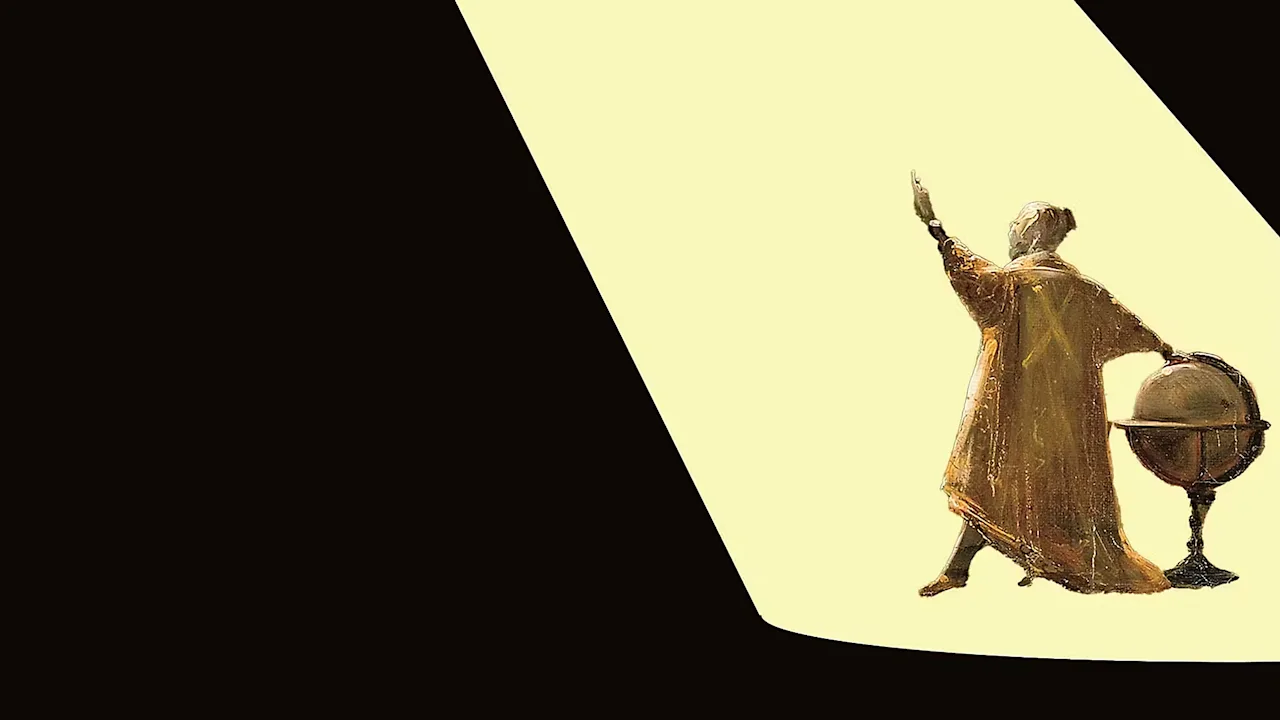
Photo by Fast Company
Key Takeaways:
- The scientific community has a long record of rejecting and punishing bold ideas.
- Major discoveries often came from individuals who were discredited, demoted, or exiled.
- Institutional and cultural roadblocks—including sexism and hierarchical power structures—continue to hinder progress.
- Fraud and plagiarism remain significant problems in research, causing thousands of retractions annually.
- Reform is needed to encourage intellectual risk-taking, protect early-career scientists, and penalize unethical behavior.
The Pandemic Revelation
In the thick of COVID-19, science correspondent Matt Kaplan recalls regularly encountering creative ideas that could have saved lives. Yet, many researchers refused to let these ideas go public. One said, “Other scientists wouldn’t take me seriously anymore,” while another admitted, “I’m a PhD student and the idea I just shared would be a threat to the work done by my supervisor. I might be fired.” Such statements highlight how hierarchy, institutional pressures, and fear of ostracism can prevent ideas from entering the world—paradoxical behavior when lives are on the line.
A History of Scientific Rejection
These issues are far from new. In the 19th century, Hungarian obstetrician Ignaz Semmelweis was horrified by the high number of women dying from childbed fever. He traced the culprit to bacteria from cadavers, transmitted by physicians who performed autopsies before examining women in labor. His solution—handwashing with a chlorine solution—proved life-saving. Yet his peers leveled vicious critiques, even dismissing the idea as an affront to their “gentlemanly” status. Eventually, Semmelweis was fired, exiled, and ultimately confined to an asylum.
Fast-forward to the 21st century, and Hungarian biochemist Katalin Karikó experienced similar upheaval. Her breakthrough research on messenger RNA, which ultimately paved the way for the COVID-19 vaccine, faced widespread skepticism. She lost her university position and funding opportunities, yet persisted long enough to change modern medicine.
The Pasteur Controversy
Competition has also erased some names from history. Two French veterinarians, Henry Toussaint and Pierre Galtier, led pioneering efforts to conquer anthrax and rabies. Both men preceded the work of the famous Louis Pasteur, but Pasteur employed his significant political sway to claim sole credit. By overshadowing Toussaint and Galtier’s contributions, Pasteur changed how history remembered these vaccines. This dynamic, in which a more influential scientist can outmaneuver equally meritorious rivals, persists in contemporary academia.
Rivalries and Risks
Joseph Lister, the British surgeon whose antiseptic methods drastically lowered postoperative infections, encountered fierce condemnation from his colleague, James Simpson. Simpson championed an unfounded “acupressure” method and felt threatened by Lister’s success. Such rivalries and power plays contribute to a culture that prizes academic territory over collaboration or the rapid spread of life-saving discoveries. Recently, retraction data from 2023 revealed nearly 19,000 biomedical papers withdrawn—most for fraud or plagiarism—calling attention to another persistent ethical breach in science.
Charting a Path Forward
Kaplan insists that practical reforms must take hold. Fraudulent researchers should be held accountable, not just “fired,” but treated like anyone who steals resources. Likewise, scientists with unconventional yet credible ideas should not be sidelined. Prioritizing curious undergraduates, PhD students, and other vulnerable minds is key to unlocking leaps in knowledge, especially as the world faces urgent problems like climate change and public health crises.
Crucially, the broader public has a role to play: science profoundly shapes society, and voters help determine funding policies. “We need to talk about how science functions and malfunctions,” Kaplan says, because confronting the messy reality of research is the only way to ensure boldness and integrity triumph. If scientific breakthroughs are to continue, so must the freedom to dream big—and to be heard.