The Trump Administration has petitioned the Supreme Court to authorize National Guard deployment in Chicago. A federal judge, however, sees no evidence of the “rebellion” that would warrant such a move. Experts anticipate the Court’s decision while local officials question the necessity of federal involvement.
Subscribe
Breaking News
Policy Analysis
Trump Administration Asks Supreme Court To Allow National Guard In Chicago Area

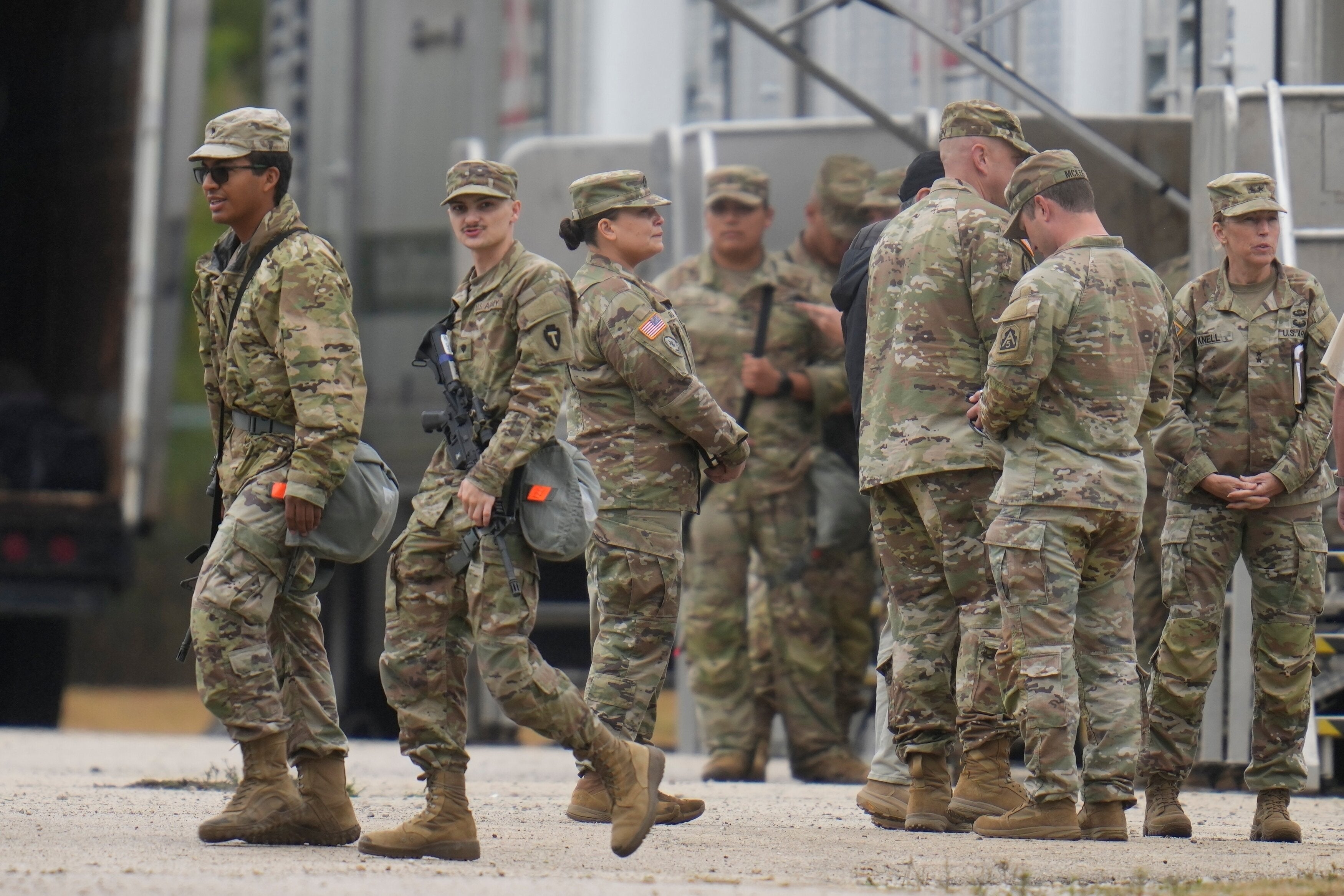
Photo by Huffpost
Key Takeaways:
- The Trump Administration formally requested Supreme Court authorization to send the National Guard to Chicago.
- A federal judge ruled there is no actual “rebellion” to justify the deployment.
- The article was published on October 17, 2025, citing AP as the source.
- The Supreme Court’s impending decision could significantly shape federal intervention policy.
The Supreme Court Request
The Trump Administration has taken the notable step of asking the nation’s highest court to allow deployment of the National Guard in the Chicago area. Officials filed the request amid concerns about possible unrest, though specifics on the administration’s rationale have not been fully detailed in the publicly available information.
Federal Judge’s Perspective
Prior to this Supreme Court appeal, a federal judge examined the administration’s claims of potential domestic turmoil in Chicago. The judge concluded that there was no evidence suggesting a “rebellion” or other imminent threat justifying military involvement. This finding contrasts sharply with the administration’s push for a National Guard presence.
Legal and Political Implications
The debate centers on the balance between federal authority and local autonomy, with both sides citing the need to maintain public safety. Because the request comes directly from the White House, observers note that the Supreme Court’s deliberation may serve as a precedent for future federal interventions in local matters. Though details are limited, the case has drawn wide attention from lawmakers, legal analysts, and the public.
Awaiting the Court’s Decision
As the judicial process moves forward, the Supreme Court will determine whether the administration’s reasons hold legal weight. According to the federal judge who initially reviewed the situation, the city is not in a state of emergency. However, unless the Supreme Court declines to hear the case, its ruling will guide whether the National Guard can lawfully enter the Chicago area under these circumstances.