In a move aimed at synchronizing job training opportunities with the labor market’s needs, the Trump administration granted the Labor Department new authority over career-technical education. While some applaud this push for workforce alignment, critics warn that students could miss out on a broader educational foundation.
Subscribe
Analysis and Opinions
Policy Analysis
Trump gave the Labor Department more control over career-technical education. Will students benefit?

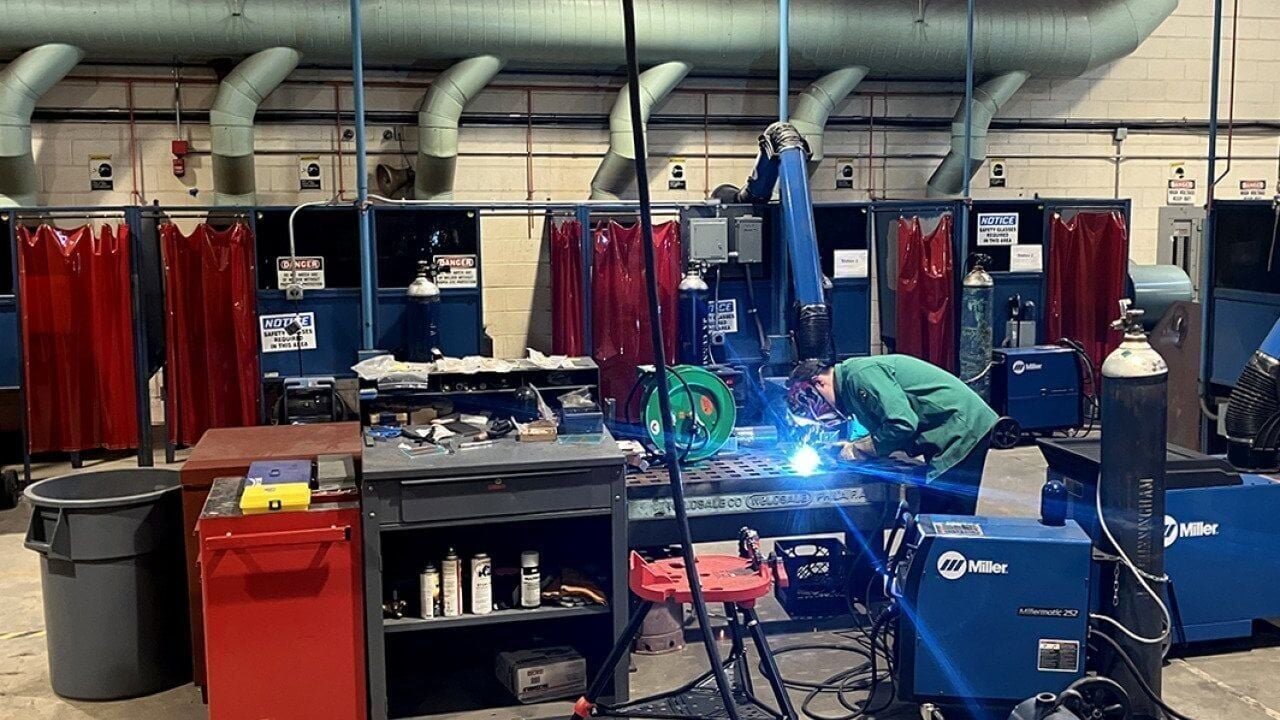
Photo by Star Herald
Key Takeaways:
- The Trump administration shifted control of career-technical education to the Labor Department.
- The goal is to match skills training more directly with employers’ demands.
- Critics fear an overemphasis on short-term, narrowly focused programs.
- The policy was covered by Chalkbeat, highlighting both potential benefits and pitfalls.
- Observers question how this pivot might affect students’ long-term readiness.
Policy Background and Shift
The Trump administration initiated a significant change in vocational education policy by transferring more control of career-technical education programs to the Labor Department. According to a Chalkbeat report carried by Star Herald, this move is intended to reshape how students prepare for the workforce by focusing on the job market’s most immediate needs.
Rationale for Aligning with Labor Department
Supporters of the shift say that a closer link between education and labor is necessary to ensure that students graduate with marketable skills. By having the Labor Department set key priorities, the administration aimed to create a more direct pipeline between classroom training and jobs.
Concerns about Short-Term Training
Still, some educators and policymakers worry that prioritizing quick-skills curricula could overshadow broader educational experiences. While specialized programs might help fill immediate job openings, critics question whether students could be left without the foundation to adapt to evolving career paths in the long term.
Implications for Students and Educators
Students exploring career-technical tracks often look for both immediate employability and flexible career growth. By positioning the Labor Department as the guiding force, the Trump administration sought to align graduates with current employer needs. Yet skeptics point out that the benefit must be balanced with robust, comprehensive training to sustain students’ career development over time.
Looking Ahead
The future of this policy pivot will depend on its effectiveness in producing well-trained, adaptable workers. If the Labor Department’s directives can maintain a balance between specialized training and deeper educational objectives, students may benefit from a system that is both practical and enduring. But as Chalkbeat’s coverage suggests, only time will tell whether short-term gains can coexist with long-term academic growth.