President Trump has authorized Nvidia and AMD to sell advanced AI chips to China, provided a 25% surcharge is paid. This policy move is expected to raise significant revenue for U.S. tech advancement, even as critics warn it could spur China’s path to self-sufficiency.
Subscribe
International Politics
Policy Analysis
Trump Policy Allows Nvidia, AMD AI Chip Sales to China with 25% Surcharge

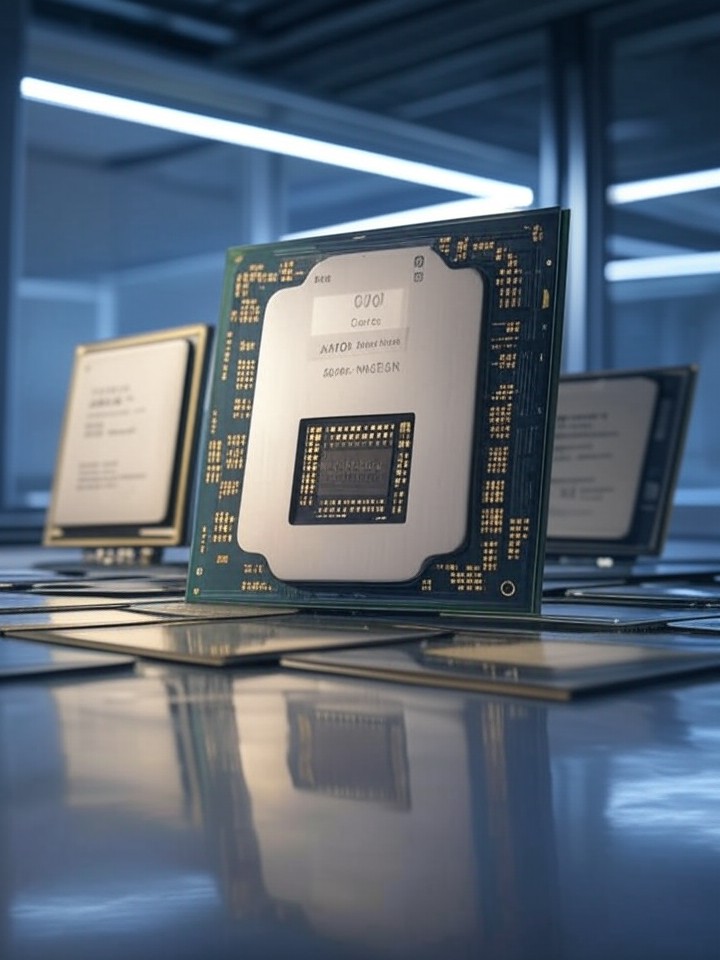
Photo by Webpronews
Key Takeaways:
- Trump’s policy replaces a ban with a 25% surcharge on AI chip exports
- Nvidia and AMD can now sell processors like H200 and MI325X to China
- The additional revenue is set aside for U.S. tech research
- Billions in revenue are projected, helping firms maintain market share
- Critics worry this change may accelerate China’s domestic chip development
Trump’s Shift in Tech Exports
President Trump has announced a policy that shifts away from outright bans on AI chip exports to China, opting instead for a 25% surcharge. Under this directive, American tech giants Nvidia and AMD can continue to supply highly sought-after chips such as H200 and MI325X to Chinese companies. The White House cites this approach as a balanced path between protecting U.S. interests and preserving a lucrative export market.
Financial Goals and Market Impact
The 25% surcharge is designed to do more than create a financial barrier; it is also intended to finance domestic technology programs. Supporters say this fee could potentially generate billions in revenue, enabling the U.S. to strengthen its own research and development while maintaining a foothold in one of the largest tech markets worldwide.
Potential Benefits and Dilemmas
While companies like Nvidia and AMD stand to benefit from enhanced earnings and sustained access to a key global tech market, concerns remain regarding the policy’s impact on international competition. “Critics fear that granting China access to advanced processors could accelerate the development of its own chip manufacturing sector,” observers say. This triggers debate over where to draw the line between economic benefit and national security.
Looking Ahead
As the policy unfolds, analysts predict a period of intense scrutiny—both from the U.S. government, which aims to ensure the surcharge fulfills its promise of bolstering American tech innovation, and from industry experts wondering if it gives China a boost. For now, this measure underscores the ongoing complexity in balancing economic opportunity and strategic caution in the technology domain.