Tucson Water failed to meet Arizona’s strict requirements for tracking its outgoing supply two years in a row. Its unaccounted-for water rate exceeded allowable limits, raising concerns about resource stewardship in a region where every drop counts.
Subscribe
Environmental Laws
Policy Analysis
Tucson Water violates state rules for keeping track of its drinking supply

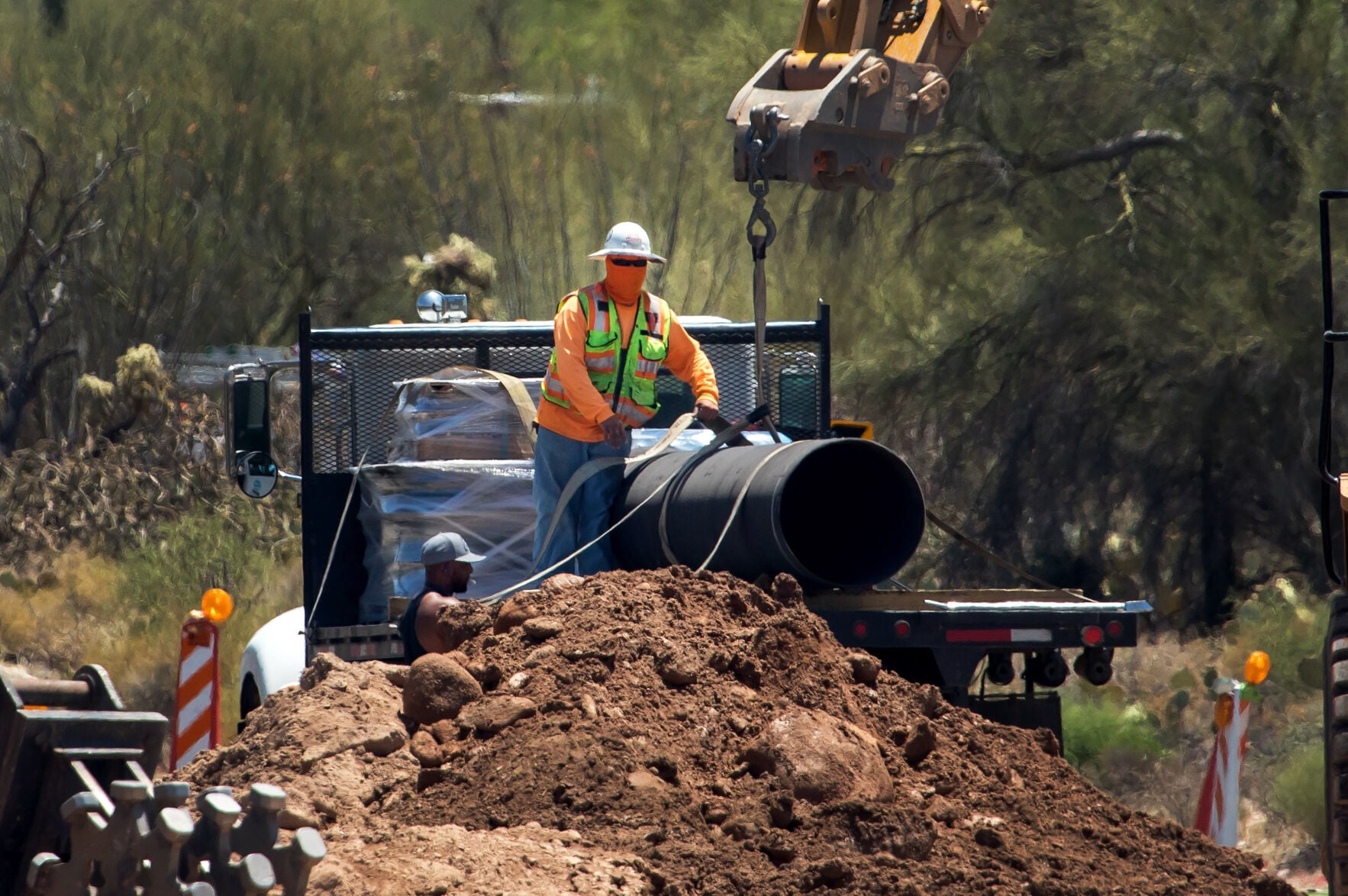
Photo by Tucson
Key Takeaways:
- Tucson Water violated state rules twice in consecutive years
- Unaccounted-for water remains a central concern
- Arizona imposes strict standards to preserve finite resources
- The issue may affect public trust and environmental health
- Local officials face pressure to resolve tracking deficiencies
Why Compliance Matters
Tucson Water’s recent breach of state rules for drinking supply management underscores the importance of accurately monitoring water usage in a desert climate. Arizona’s regulations aim to conserve precious resources, reduce water waste, and ensure citizens have reliable access to a safe water supply.
Tucson Water’s Record
For two straight years, Tucson Water did not meet the strict criteria set by Arizona regulators. Officials noted that the utility exceeded the permissible range of lost or unaccounted-for water. As the original news feed indicates, much of the concern stems from the difficulty in confirming how much water is effectively delivered versus what is lost through leaks or other untracked sources.
Measuring the Loss
A critical factor in this issue is “non-revenue water,” a term encompassing all water that does not generate revenue because it is lost, unbilled, or otherwise unaccounted for. Conventional methods involve monitoring delivery meters, analyzing consumption data, and comparing totals with how much water a utility produces. The state expects utilities to keep that unaccounted-for amount within established guidelines.
Implications for Tucson
When larger quantities of water go untracked, the ramifications can be widespread. Public health considerations come into play if leaks or water mixing go unnoticed, while the environment suffers if crucial supplies are wasted in a region already experiencing water scarcity. The local economy also feels the effects, since every drop must be carefully managed to support growth and sustainable development in Arizona.
Regaining Compliance
Although Tucson Water faces scrutiny for these back-to-back violations, the findings could spur necessary improvements in the city’s water infrastructure. Better meters, more accurate reporting, and stronger oversight are among the strategies that can help the utility regain compliance and restore public confidence. As the region looks ahead to future demands, addressing these issues promptly remains a top priority.