Tulane University is under scrutiny after two former undergraduate students alleged that their accused assailants graduated before sexual misconduct investigations concluded. The university ultimately found the accused responsible for some misconduct, raising questions about the timing and rigor of Tulane’s Title IX process.
Subscribe
Breaking News
Tulane University faces questions over handling of sexual misconduct investigations

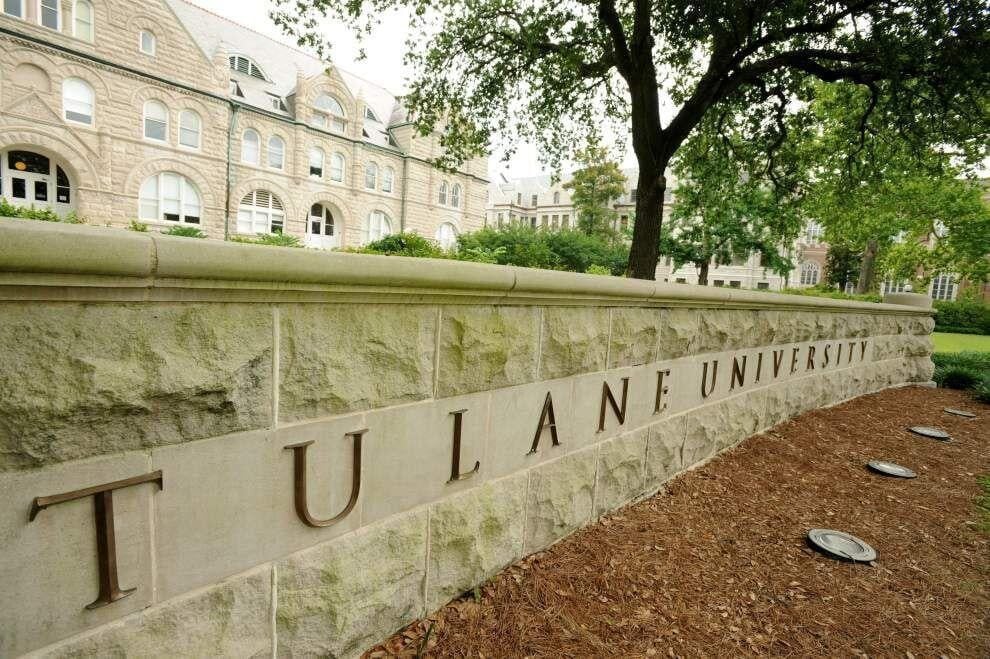
Photo by Nola.com
Key Takeaways:
- Two former Tulane students alleged they experienced sexual assault by classmates.
- The accused students reportedly graduated before the investigations concluded.
- Tulane found those accused responsible for some misconduct after they had already graduated.
- The institution’s handling of these complaints has sparked concerns about transparency.
- Nola.com’s report underscores the growing scrutiny of Title IX processes at universities.
Tulane’s Title IX Dilemma
Tulane University, one of Louisiana’s prominent institutions of higher education, is drawing criticism over its handling of sexual misconduct allegations. According to two former undergraduate students, the male classmates they accused of sexual assault were able to graduate before the school finalized its investigations.
The Allegations
Two women, who were undergraduates at Tulane, have come forward to share their experiences, accusing fellow students of sexual attack. They contend that the university’s response was sluggish and that it did not provide a timely resolution, which allowed the accused men to complete their degree programs without the investigations reaching a final verdict.
Investigative Delays
Observers and advocates note that the core concern lies in the time it took to conduct the Title IX inquiries. These women argue that while they followed the proper channels to report and seek justice, the process did not move quickly enough. When the investigations finally concluded, the students they accused had already walked across the stage at graduation.
University Response and Outcome
In the end, the university determined that the accused were responsible for certain misconduct. The delayed finding has raised questions about compliance with Title IX guidelines, which establish strict timetables and protocols for higher education institutions to investigate such allegations. Tulane has not provided extensive public comment on these specific cases but faces increasing pressure to review its procedures to ensure timely resolutions.
Context and Concerns
The situation at Tulane underscores a broader national conversation about how universities handle sexual misconduct claims. Studies and reports frequently highlight the need for robust policies and swift action when students come forward with accusations. In many cases, lengthy investigations can delay justice and leave survivors feeling unheard.
Accountability in Higher Education
As the public learns more about these cases, attention is turning toward how colleges and universities nationwide can reconcile academic timelines with the seriousness of complaints like these. The Tulane cases emphasize a broader imperative: ensuring that the pursuit of academic success does not overshadow the obligation to protect students and address allegations of assault in a fair, transparent, and timely manner.