A Tyson plant closure in Lexington, Nebraska, has prompted concerns about falling cattle prices and longer transportation routes for the state’s producers. A UNL study indicates that these combined pressures may reshape the local beef sector, leaving the industry uncertain about its next steps.
Subscribe
Industry News
Tyson closure in Lexington puts Nebraska cattle producers in a pinch

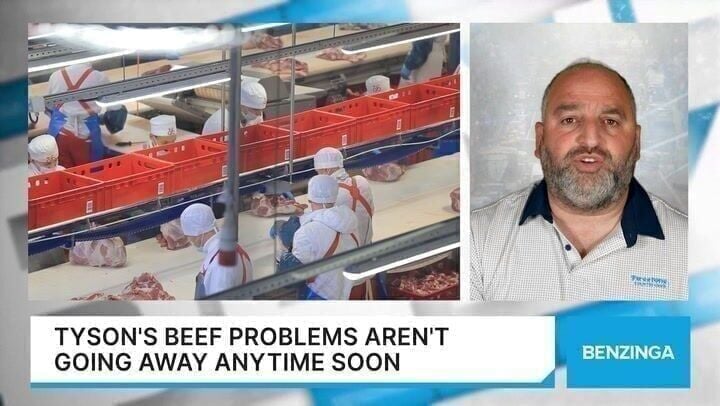
Photo by Rapid City Journa
Key Takeaways:
- Tyson’s Lexington closure poses significant challenges for ranchers.
- A UNL study warns of falling prices and longer transport distances.
- Nebraska cattle producers could see narrower profit margins.
- The closure may require structural shifts within the beef industry.
- Local ranchers face fresh logistical and financial hurdles.
Tyson’s Lexington Closure
The shuttering of a Tyson facility in Lexington, Nebraska, has sent tremors through the state’s beef industry. In a region where cattle production forms a key economic backbone, this discontinuation puts local producers in what one headline describes as “a pinch.”
Economic Repercussions
According to a University of Nebraska–Lincoln (UNL) study, the closure spells market uncertainty and could drive down prices. Ranchers often rely on nearby processing plants to ensure quick and cost-effective delivery. With Tyson no longer operating in Lexington, producers face a tighter profit margin as they hunt for alternatives.
Logistical Challenges
Longer transportation to out-of-state or distant facilities is among the most pressing issues now confronting cattle producers. Currently, shipping livestock to a farther location not only increases travel time, but also adds to expenses—fuel, labor, and potential stress on the animals. These cumulative costs place an immediate strain on small and mid-sized ranchers.
Industry Response
While corporate moves like a plant shuttering can be common, the resulting complications for local economies are anything but minor. Nebraska ranchers are left weighing all options, from absorbing the added expenses to strategizing new partnerships. Some in the industry view this as an opportunity to diversify, but many worry about sustaining their livelihoods in the wake of the lost facility.
Looking Ahead
As Nebraska’s beef sector works to adapt, attention now rests on whether new facilities or expansions could fill the void left by Tyson. For many, the closure highlights the fragile balance between large-scale processing and rural producers. While the road ahead looks complicated, the ranchers and ranching communities remain a crucial part of the state’s identity—and they are determined to find a path forward despite these challenges.