The U.S. Army plans to detonate degraded bomb-making material in Iowa following court approval. The operation, first reported by The Lewiston Tribune Online, addresses the safe disposal of hazardous materials at the intersection of crime prevention and environmental concerns. According to source data, the sentiment around the decision leans positive, reflecting a proactive approach to public safety.
Subscribe
Breaking News
U.S. Army to detonate degraded bomb-making material in Iowa after getting court approval

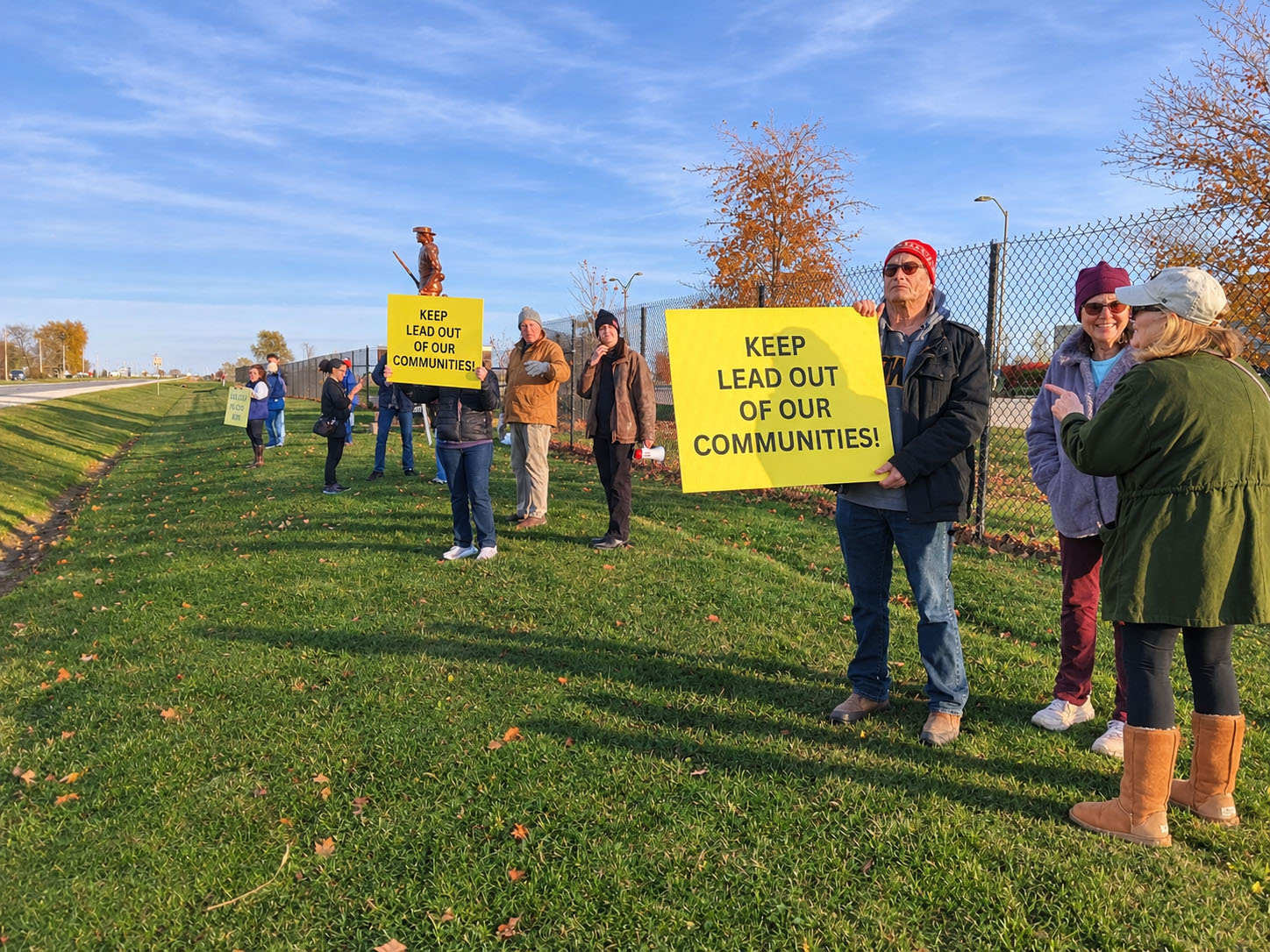
Photo by The Lewiston Tribune Online
Key Takeaways:
- The U.S. Army will detonate degraded bomb-making material in Iowa.
- The operation received court approval before proceeding.
- Environmental and crime-related considerations informed the decision.
- The story was published on November 24, 2026, by The Lewiston Tribune Online.
- Overall sentiment toward this plan is positive, indicating support for addressing potential hazards.
A Court-Approved Mission
The U.S. Army’s plan to detonate what has been described as “degraded bomb-making material” in Iowa has officially received the green light from the courts. This legal endorsement ensures the disposal proceeds in compliance with established protocols designed to protect public safety and the environment.
Protecting Iowa’s Environment
One of the key concerns regarding this disposal is the environmental impact. As the materials involved are sensitive and potentially hazardous, careful planning and containment measures are crucial. While specific details about the environmental protections have not been publicly released, the decision to proceed with the controlled detonation reflects a commitment to preventing any undue ecological harm.
Handling Degraded Bomb Materials
Degraded bomb-making materials pose a unique risk if not properly stored, transported, and disposed of. The process of detonation is often the safest method for eliminating dangerous explosive components that may no longer be stable. By taking steps to neutralize these materials, the Army aims to minimize potential threats to public health and safety.
The Broader Context
The story, reported by The Lewiston Tribune Online on November 24, 2026, echoes the intersection of crime prevention, environmental stewardship, and military responsibility. Prompted by concerns about how to manage potentially hazardous weaponry, the U.S. Army’s approach also underscores broader considerations about national and community safety. While detailed information about the operation remains limited to “paid plans,” the available details suggest this controlled detonation is proceeding under careful evaluation and oversight.