Texas Republicans brace for a contentious primary as John Cornyn squares off against Ken Paxton and Wesley Hunt, while Democrats Jasmine Crockett and James Talarico wage their own contest. Both sides view the March 3 U.S. Senate primaries as a pivotal test that could usher in a new era of leadership in Texas.
Subscribe
Analysis and Opinions
Political Movements
Voting Trends
U.S. Senate primaries in Texas set stage for a generational clash

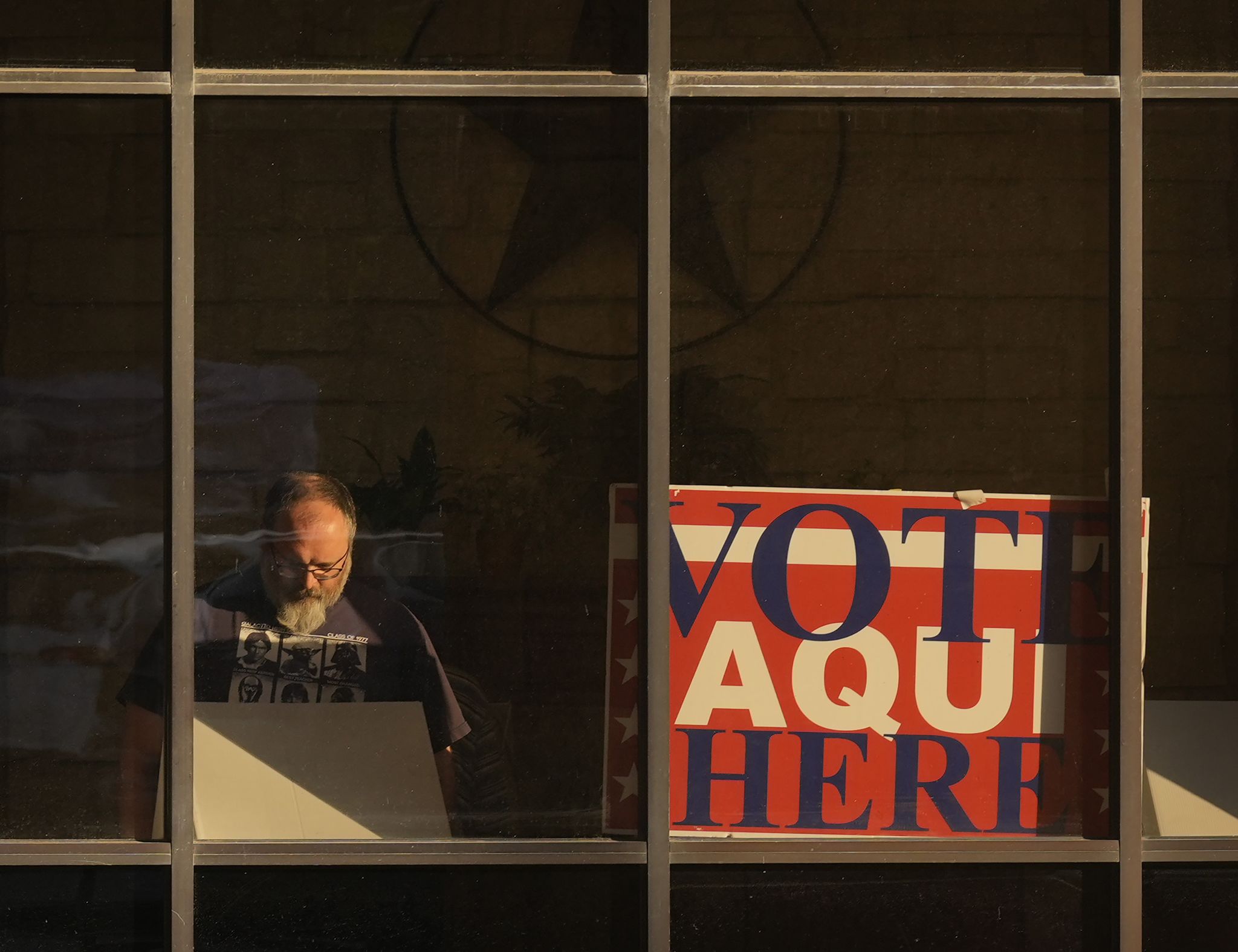
Photo by Austin American-statesman
Key Takeaways:
- Multiple Republican and Democratic hopefuls are vying for a U.S. Senate seat.
- The races underscore a generational divide in both parties.
- The March 3 primaries hold significant implications for national politics.
- Established figures like John Cornyn face fresh competition from rising conservative voices.
- Democrats Jasmine Crockett and James Talarico represent a new wave seeking to reshape the party’s direction.
Setting the Stage
Texas has long been a bellwether for national political trends, and the upcoming U.S. Senate primaries on March 3 promise to reinforce that reputation. Voters across the state will choose between established figures and ambitious newcomers, with both Republicans and Democrats fielding candidates who hope to reshape the political landscape.
The Republican Contenders
Republican incumbent John Cornyn faces significant challenges from Ken Paxton and Wesley Hunt. Observers note that Cornyn’s lengthy career in the Senate is being tested by Paxton’s well-known legal background and Hunt’s appeal among younger conservatives. These internal battles highlight the evolving nature of the GOP in a state once defined by the legacies of figures like George W. Bush and John Tower.
Democratic Rivalries
On the Democratic side, candidates Jasmine Crockett and James Talarico are locked in a contest to define the future of the party in Texas. While state Democrats have drawn inspiration from figures like Lyndon Johnson and Ron Kirk in the past, Crockett and Talarico bring new perspectives to a party looking to gain a stronger foothold. Their efforts could inspire a fresh wave of support and possibly shift strategies leading up to November.
A Generational Divide
Texas politics carry significant historical weight, but this primary season underscores a distinct generational transition. Party loyalists observe that the primary contests are not solely about ideology or policy, but also about building momentum behind newer voices. Regardless of the outcome, analysts predict a lasting impact on both parties’ leadership structures.
Beyond 2025
While the immediate focus rests on March 3, the ramifications will extend well beyond this election cycle. The winners of these primaries will position themselves—and their platforms—as guiding forces for Texas politics heading into November and beyond. With the state’s history of producing national figures from Lyndon Johnson to George W. Bush, these elections continue to shape America’s larger political narrative.