Scientists at UM are taking a close look at the highest-dwelling mammal on Earth—a mouse that flourishes in minimal oxygen. Their findings may provide fresh insights into better drug and chemotherapy treatments for cancer patients worldwide.
Subscribe
Biotechnology
Chronic Illness Management
UM scientists: World’s highest-dwelling mammal could boost cancer treatments

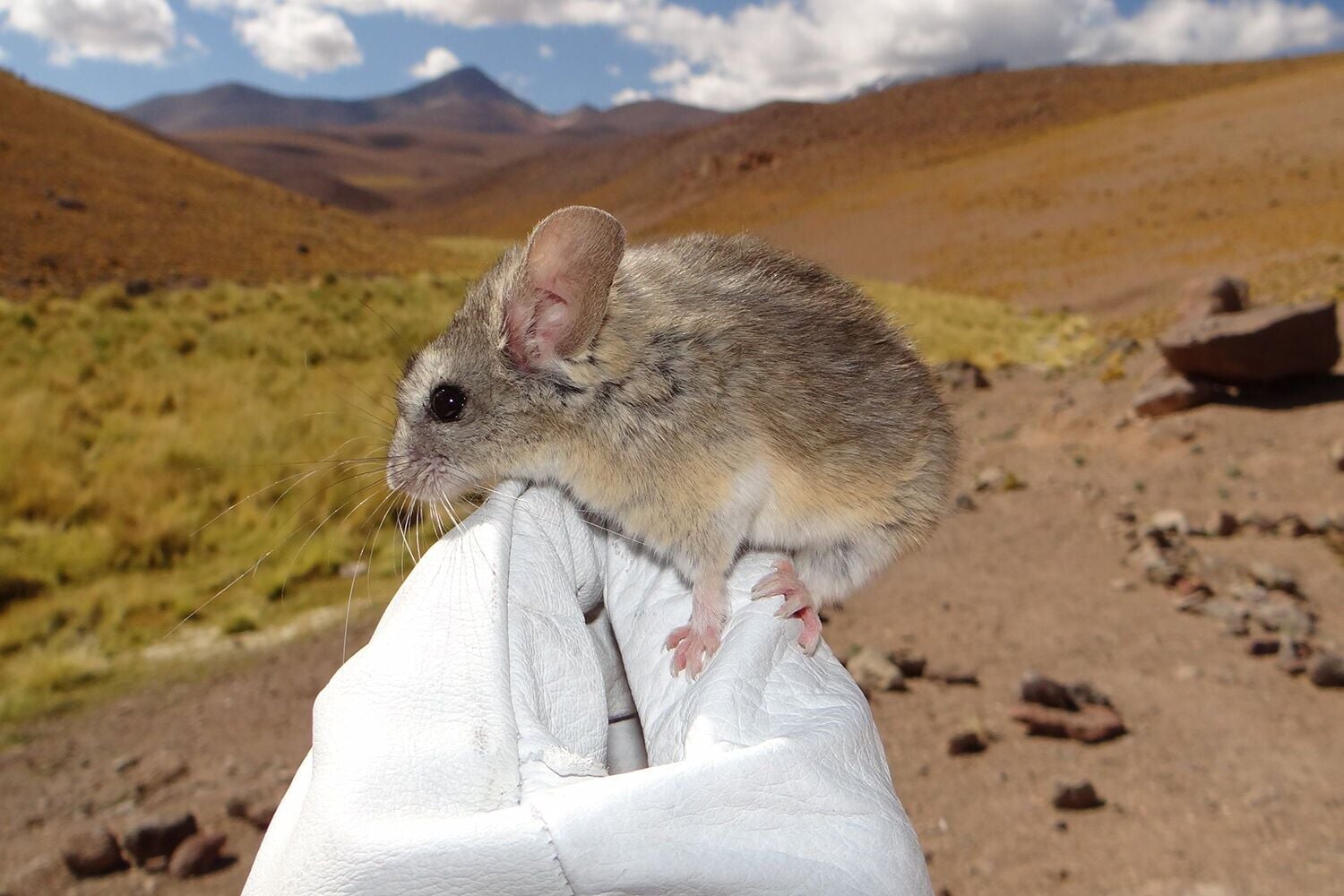
Photo by Helenair
Key Takeaways:
- A mouse living in extremely low-oxygen settings could help scientists improve chemotherapy.
- Researchers at UM are spearheading this study, hoping to benefit human oncology.
- The Andes’ rugged environment offers a unique testing ground for studying oxygen deprivation.
A Mammal Above the Clouds
Scientists at UM have turned their focus to a remarkable mouse that thrives where most mammals cannot survive. Occupying some of the planet’s highest elevations, this tiny creature has adapted to a low-oxygen environment that mirrors the conditions cancerous tumors often create in the human body.
Adapting to Thin Air
The extreme elevation in the Andes region imposes harsh demands on any species. Yet this mouse excels in an environment with scarce oxygen levels. By investigating how the animal’s physiology functions under such stress, UM researchers hope to uncover mechanisms that may be pivotal in developing new cancer treatments.
Implications for Cancer Therapy
Low-oxygen pockets within tumors often pose significant challenges for chemotherapy. These zones encourage more aggressive cancer growth. Insights gleaned from the mouse’s natural responses to oxygen deprivation may inform innovative strategies for drug and chemotherapy delivery, potentially increasing effectiveness against resistant tumor cells.
Looking Toward the Future
Though the research is ongoing, early indications suggest that better understanding high-altitude adaptation could offer valuable tools for modern oncology. The findings from this study have the potential to reshape treatments, from the way drugs are formulated to how patient chemotherapy regimens are planned.
A Step Forward for Medical Science
For now, the mouse’s unique resilience stands as a symbol of hope in cancer research. If these UM scientists succeed, the story of this mountain-dwelling mammal might very well become a turning point in our ongoing battle against cancer—proving that sometimes, solutions can be found in the most unexpected places.











