University of Mississippi students have a unique chance to help save an 11-year-old Mississippi girl’s life this week. By joining the national bone marrow donor registry, they could offer hope and potentially provide a life-saving match.
Subscribe
Chronic Illness Management
UM to host swab events for MS child

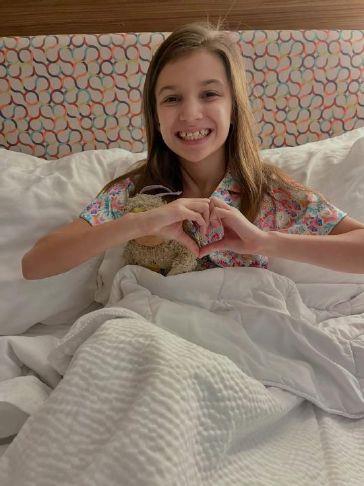
Photo by Oxfordeagle
Key Takeaways:
- UM is hosting two critical swab events to support an 11-year-old Mississippi girl in need.
- Students can join a national bone marrow donor registry to expand potential matches.
- A simple cheek swab may offer life-saving possibilities for a child.
- These campus efforts demonstrate UM’s commitment to community service and involvement.
The University Takes Action
University of Mississippi students will have the opportunity to help save the life of an 11-year-old Mississippi girl by taking part in swab events on campus. These events aim to find a match through a national bone marrow donor registry, offering a ray of hope for a child facing a serious health battle.
Why a Swab Matters
A simple cheek swab is all it takes to join the donor registry. The quick, painless process has the potential to identify a life-saving match for patients across the country. For one Mississippi girl in particular—identified in connection with these events as Greenwood resident Cate Hargett—this step could prove especially crucial.
Supporting a Child from Greenwood
According to the shared details, these events are centered on the needs of 11-year-old Cate Hargett, who requires a bone marrow transplant. By swabbing and signing up for the national registry, participants from the Ole Miss community directly stand with children like her and their families.
Campus-Wide Responsibility
Support across the UM campus demonstrates how communities can rally around someone in need. Students, faculty, and staff are encouraged to visit the swab stations, learn about the donor registry process, and consider joining. Even those who may not attend can help spread the word about the importance of being on the national registry.
How to Participate
Timing and locations for the swab events are intended to maximize student involvement throughout the week. Attendees will receive guidance on how to complete the registration steps. Once their cheek swab samples are taken, participants become part of a database that could save the life of someone—like an 11-year-old child in Mississippi—who urgently needs a transplant.