Which fighter jet rules the sky—America’s Navy F/A-18 or its Air Force F-16? This story explores their unique advantages, from the Falcon’s speed and agility to the Hornet’s emphasis on withstanding intense conditions.
Subscribe
Modern Weaponry
US Navy F/A-18 vs. US Air Force F-16: Which Fighter Jet Rules the Sky?

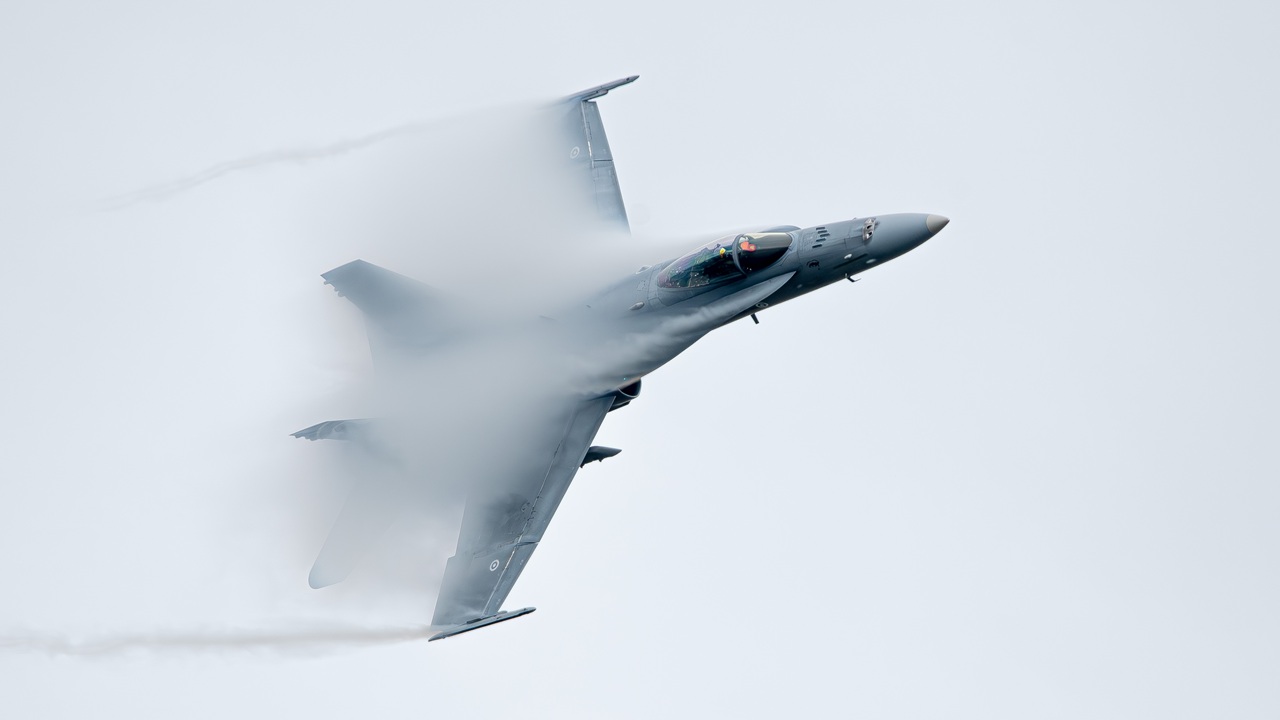
Photo by The National Interest
Key Takeaways:
- Both jets are American-made for distinct U.S. military branches
- The F-16 boasts greater speed and maneuverability
- The F/A-18 emphasizes survival and durability
- Each aircraft represents unique design philosophies
- The debate remains over which jet might ultimately win in aerial combat
Background on the Rivalry
The U.S. Navy’s F/A-18 Hornet and the U.S. Air Force’s F-16 Fighting Falcon each hold legendary status within their respective branches. Although both serve under the flag of the United States, they were developed with differing missions in mind. This rivalry in design embodies two core pillars of American air power: agility and durability.
Performance Differences
“In essence, the F-16 is faster and more maneuverable,” a distinction that has propelled it into many frontline roles. The F/A-18 Hornet, by contrast, is “built for survival.” This means the Hornet is optimized to handle the high-stress demands of naval aviation, including takeoffs and landings on aircraft carriers.
Real-World Applications
The Air Force’s F-16 operates largely from established air bases, maximizing its speed and handling in varied conditions. Meanwhile, the Navy’s F/A-18 endures harsher sea-based environments, battling saltwater corrosion and the rigors of catapult launches. Whether navigating wide-open runways or pitching carrier decks, each fighter is primed for challenges unique to its domain.
The Central Question
But which one would actually win in a fight? That puzzle drives the intrigue of these jets’ comparison. Is superior maneuverability truly decisive, or does a design that emphasizes resilience offer the ultimate edge? While the F-16’s swiftness can dominate dogfights, the Hornet’s robust engineering makes it tougher to knock out of the sky.
The Ongoing Debate
From pilots and aviation experts to military analysts, opinions vary on which fighter truly “rules the sky.” Each jet reflects its branch’s priorities and combat philosophy. As aircraft technology evolves, so does the discussion, keeping the question open-ended: will speed or survival prove the defining factor in modern aerial combat?