Violent incidents keep surfacing in dementia care facilities, with inspections repeatedly sounding the alarm. One nursing home in Banning, California, came under scrutiny when a paroled sex offender with dementia exhibited severe aggression. Observers worry that oversight measures have fallen short of preventing harm.
Subscribe
Assisted Living
Chronic Illness Management
Healthcare Reforms
Violence repeatedly erupts at dementia care facilities despite warnings, inspections show

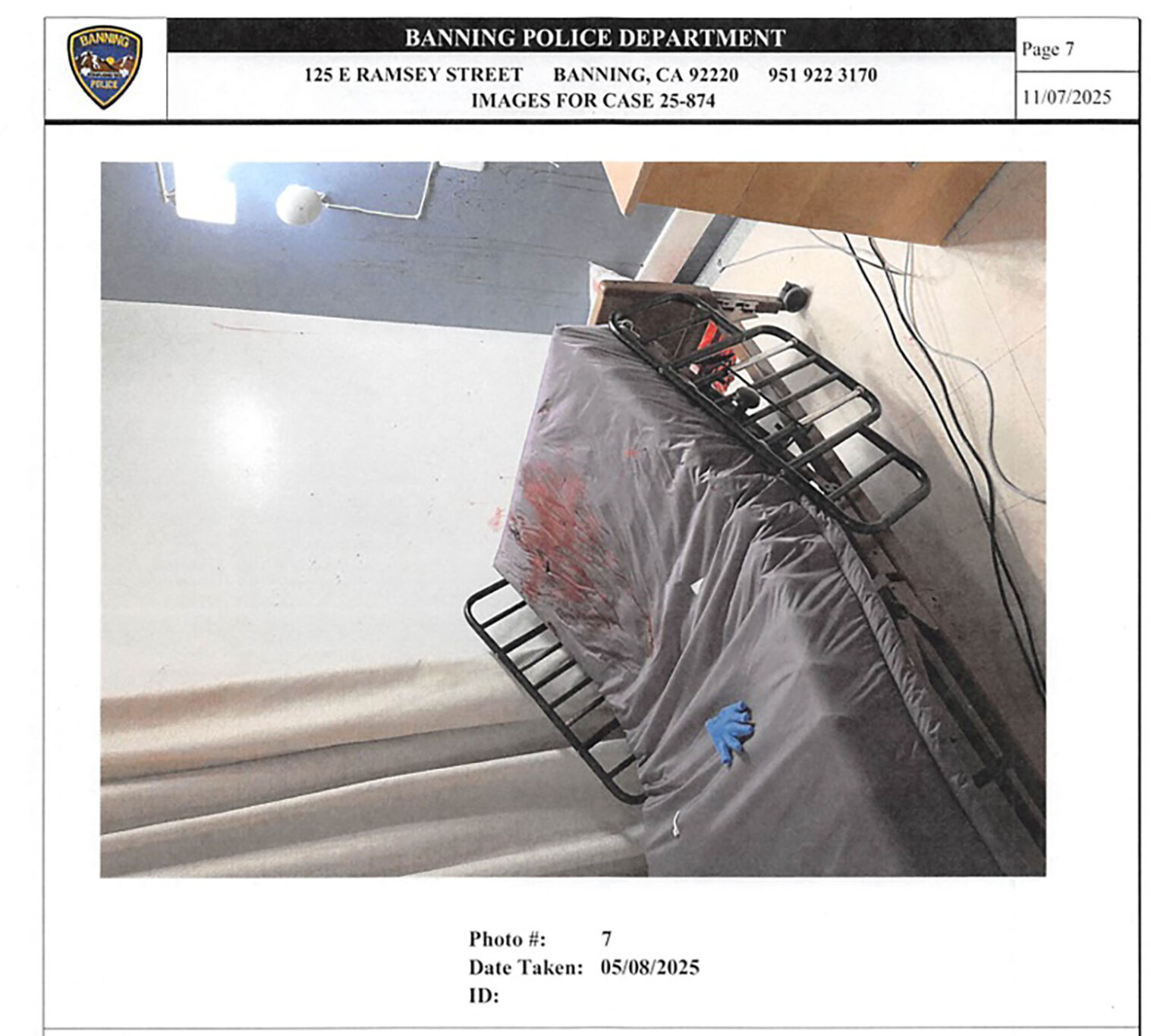
Photo by The Brunswick News
Key Takeaways:
- Serious conflicts and assaults continue to occur in certain dementia care settings.
- A paroled sex offender with dementia became a focal point of these concerns.
- Sunrise Post Acute in Banning, California, faced repeated violent incidents.
- Officials issued warnings and conducted inspections, yet violence persisted.
- Reform advocates continue pressing for stronger oversight and resident protections.
A Troubling Pattern
Violence in dementia care facilities remains an unsettling reality, despite official warnings and ongoing inspections. Incidents have erupted repeatedly, highlighting a broader failure to protect residents who are often unable to communicate or defend themselves fully.
The California Case
One significant example took place at Sunrise Post Acute, a nursing home in Banning, California. According to the story, a resident named Sam Ato Timaloa, who had served time for attempted murder and was a paroled sex offender, was admitted with dementia. “He had an acute intolerance of noise — especially from roommates,” the information indicates. Over several months, concerns mounted over repeated altercations tied to his condition.
Warnings and Inspections
Inspections at various dementia care facilities have frequently documented violent episodes, yet these reports have not always led to swift or sufficient corrective action. Inspectors allegedly found that warnings about potentially hazardous conditions were ignored or not adequately addressed. Despite the spotlight on such incidents, many families and patient advocates claim the oversight process still fails to implement tangible, systemic reforms.
Ongoing Concerns for Patient Safety
The case in Banning underscores ongoing fears about how these facilities handle individuals with dementia who require specialized attention. While staff and authorities may be aware of warning signs, repeated incidents signal possible gaps in training, resources, or compliance with safety regulations. Some experts say stronger enforcement measures and clearer guidelines for high-risk individuals are necessary to curb these repeated, often dangerous events.