A proposed budget in Washington State aims to revise Medicaid funding, drawing considerable concern from local health care providers. They warn that key changes could strain essential services, potentially leaving vulnerable populations at risk.
Subscribe
Healthcare Reforms
Policy Analysis
WA health care groups raise alarm over Ferguson budget

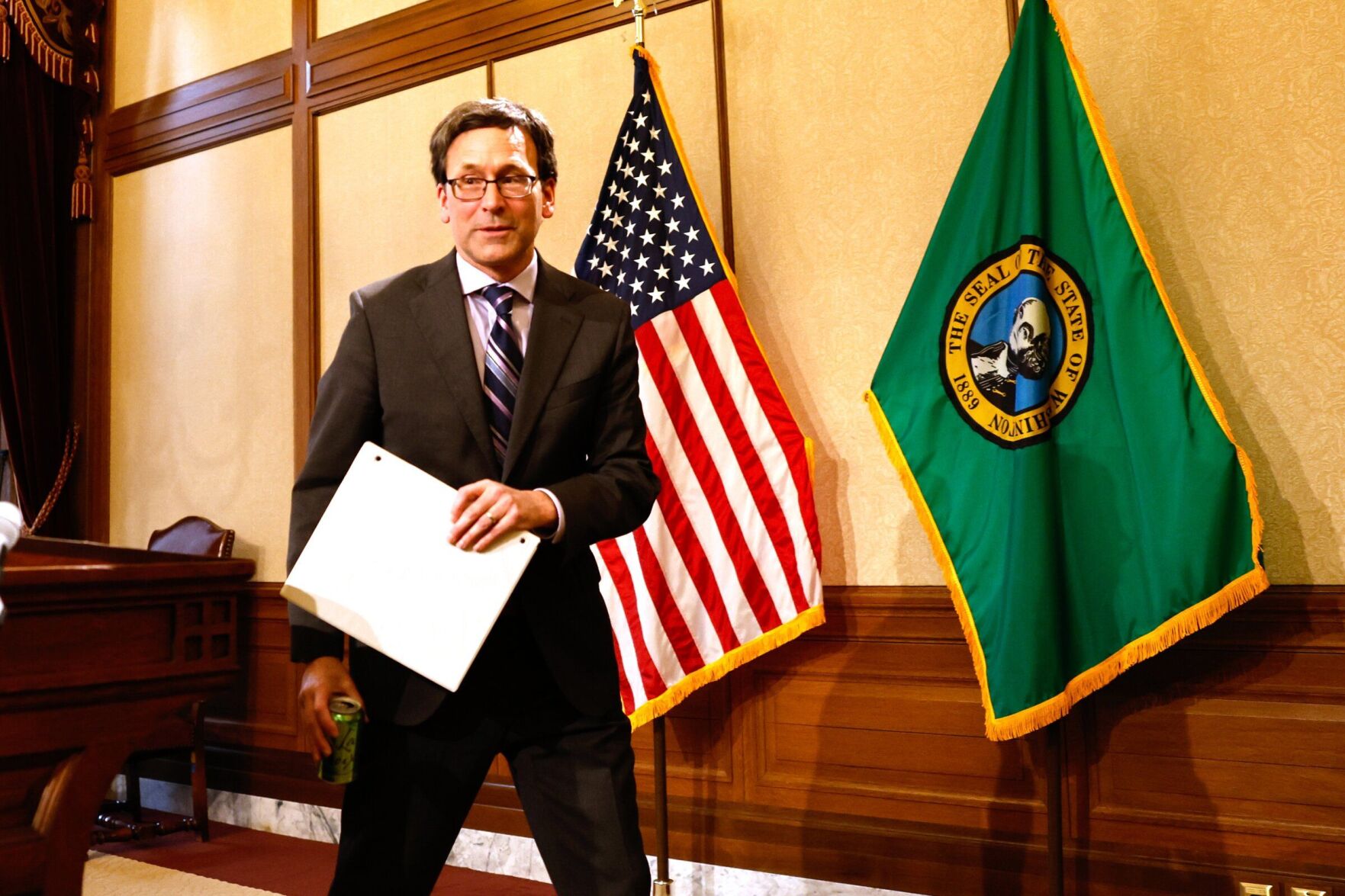
Photo by Yakima Herald-republic
Key Takeaways:
- Proposed budget tweaks Medicaid funding, causing statewide concern
- Health care providers fear significant hardship under the new plan
- The changes could especially impact services for low-income patients
- Washington health groups are uniting to voice their alarm
- The article highlights the urgency of resolving Medicaid funding issues
Budget Proposal Overview
Washington State is considering a budget proposal, introduced by Ferguson, that would adjust how Medicaid funding is allocated. According to the original report, “The proposed budget would tweak the state’s Medicaid funding policies,” sparking immediate concerns among health care professionals and institutions.
Health Care Providers’ Concerns
In response, health care groups across the state have expressed alarm. They believe the adjustments “would cause significant hardship” for providers—particularly those serving low-income or vulnerable communities. Many in the field argue that reducing or redistributing Medicaid funds could translate to cutbacks in staff, services, or infrastructure.
Impacts on Low-Income Services
Medicaid is a critical channel for delivering health services to individuals and families with limited resources. Under the proposed budget, these programs may face cuts or stricter eligibility, ultimately affecting overall access to health care. Providers worry that patients who rely heavily on Medicaid coverage could see disruptions or delays in care.
Next Steps
While details about potential legislative sessions or implementation timelines remain limited in the publicly available information, the sense of urgency among Washington’s health care sector suggests that these discussions will intensify. Health care advocates are expected to continue voicing their concerns to protect both providers and patients from adverse effects of any funding changes.
Despite limited direct details on negotiation processes, the call to reconsider the proposal reflects a broader fear that any failure to adequately fund Medicaid risks undermining an already burdened health care system. For now, Washington’s medical community is watching closely, prepared to push back if the final budget does not address their alarm.