Experts suggest that a curious footwork method, aptly named the “Penguin Shuffle,” could prevent uneven lawn growth after overseeding. Learn how this surprisingly simple hack helps homeowners achieve a healthier, uniform lawn in time for spring.
Subscribe
DIY Projects
Want to Get Your Lawn Ready For Spring? Experts Say That the ‘Penguin Shuffle’ Trick Holds the Secret

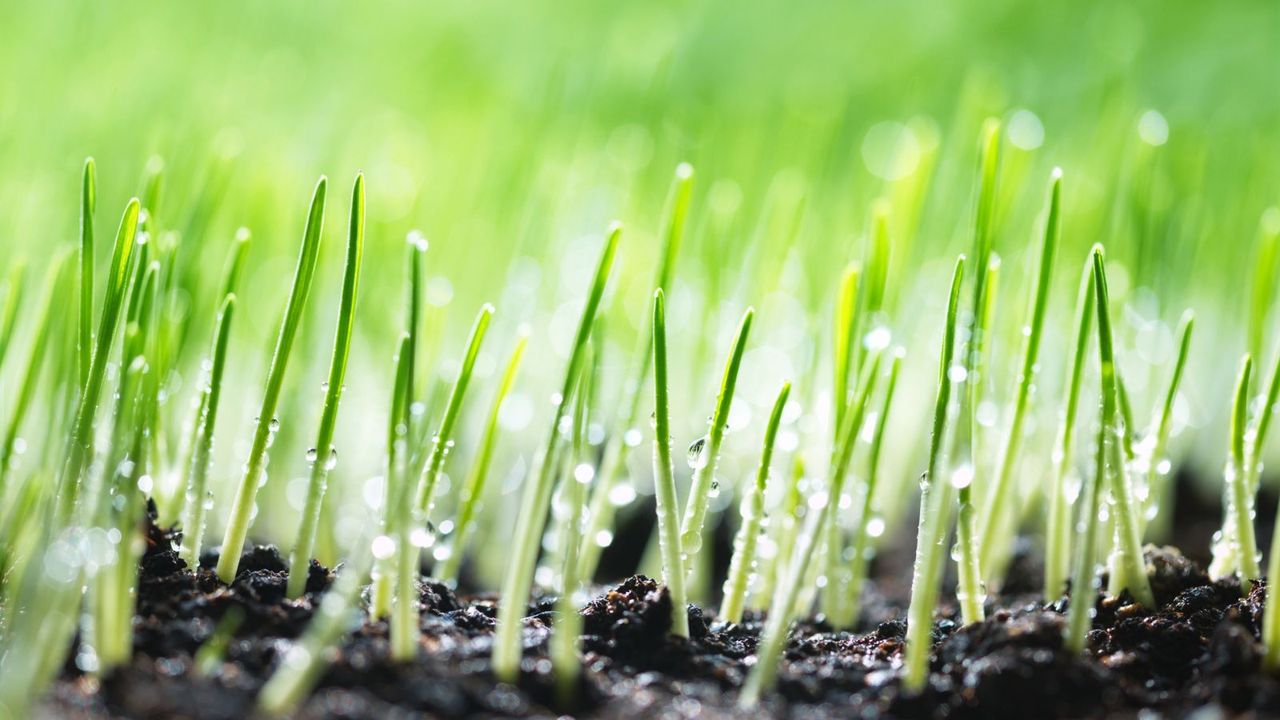
Photo by Homes And Gardens
Key Takeaways:
- The “Penguin Shuffle” is an expert-endorsed lawn care method.
- It’s designed to prevent patchiness by improving seed distribution.
- Homes And Gardens categorizes this tip as an “ingenious hack.”
- Overseeding is more successful when seeds settle evenly.
- Spring lawn preparation benefits from better coverage using this technique.
The “Penguin Shuffle” Explained
Gardening enthusiasts are abuzz about a newly touted lawn care method known as the “Penguin Shuffle.” Highlighted in a recent piece by Homes And Gardens, this technique is said to improve seed dispersion when overseeding. By gently shuffling across the grass—without lifting the feet too high—seeds are encouraged to settle into the soil more effectively.
Why Even Seed Distribution Matters
Uneven seed coverage can cause patchy or mismatched grass growth. According to experts, ensuring each seed is in contact with the soil reduces the risk of bare spots. It also helps create a stronger lawn canopy that withstands foot traffic and environmental stress as spring advances.
Tips from Experts
Martha Davies, contributor to Homes And Gardens, underscores the importance of consistency when overseeding. In the article, described as an “ingenious hack,” she points out how minor adjustments—like changing the way you walk—can have a major impact on lawn uniformity. This understated approach can yield a lush, vibrant outdoor space in time for warmer months.
Applying the Technique
Implementing the “Penguin Shuffle” is straightforward: after spreading your preferred seed mixture, walk slowly over the seeded area in small, shuffling steps. The motion presses seeds gently into the ground, helping them stay in place. With regular watering, the improved contact between seeds and soil can lead to a more robust lawn come spring.