Data centers—once an abstract concept—have taken center stage in rural Georgia, sparking both hope and caution. While some local leaders see potential for economic growth, many residents question the environmental and infrastructural costs of these high-tech facilities.
Subscribe
Environmental Laws
Industry News
Policy Analysis
What is a data center, and why is rural Georgia suddenly on the map?


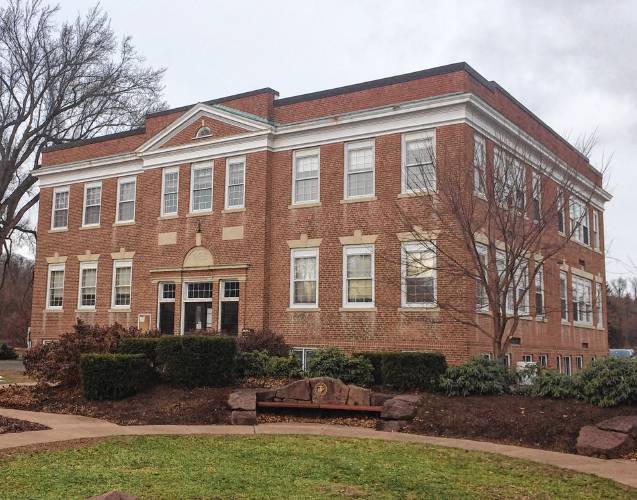
Photo by The Rome News-tribune
Key Takeaways:
- Data centers have ignited new debate in rural Georgia
- Northwest Georgia has emerged as a key battleground for this issue
- Electricity usage, wastewater treatment, and legislative oversight remain central concerns
- Local and state governments, including the Public Service Commission, are involved
- This article is the first in a five-part series on the topic
The Rise of Data Centers in Rural Georgia
It’s been a long time since two everyday words—“data” and “center”—drew such serious concern. With projects spreading into smaller communities, the once remote world of cutting-edge servers and computational power has come close to home. This development also intersects with broader trends in artificial intelligence and computer chip manufacturing, revealing how seemingly distant innovations can quickly reshape the landscape.
Why Northwest Georgia?
Rural Georgia may not be the first place one associates with high-tech infrastructure, yet the region’s abundant land and comparatively lower operating costs have attracted major data center projects. As a result, Northwest Georgia now finds itself “on the frontlines,” grappling with the implications of rapid technological expansion. Regulatory bodies like the Public Service Commission have taken note, underscoring the growing interest in how these facilities fit within local and state frameworks.
Local Impact and Concerns
Beyond economics, local communities question how data centers will affect core services such as electricity and wastewater treatment. High energy consumption is often associated with large-scale data operations, spurring debates on resource allocation and sustainability. Meanwhile, organizations like the Georgia House of Representatives and the state legislature are watching the interplay between private industry needs and public resources.
Looking Ahead
This piece serves as the first in a five-part series that will delve into the future impact of data centers on rural communities in Georgia. As construction ramps up, voices from local governments, residents, and industry insiders continue to shape the narrative. With a complex mix of environmental questions and economic potential, data centers remain central to discussions about how Northwest Georgia—and the broader state—will adapt to an evolving digital era.