The fatal shooting of Renee Good by ICE agents in Minneapolis has sparked questions about how dissent is handled in America. In Minnesota, a state often considered a bellwether for the nation, this incident may signal a troubling change in the way federal and local authorities address protest and free expression.
Subscribe
Analysis and Opinions
Breaking News
Policy Analysis
Political Movements
What Minnesota Tells Us About America’s Future

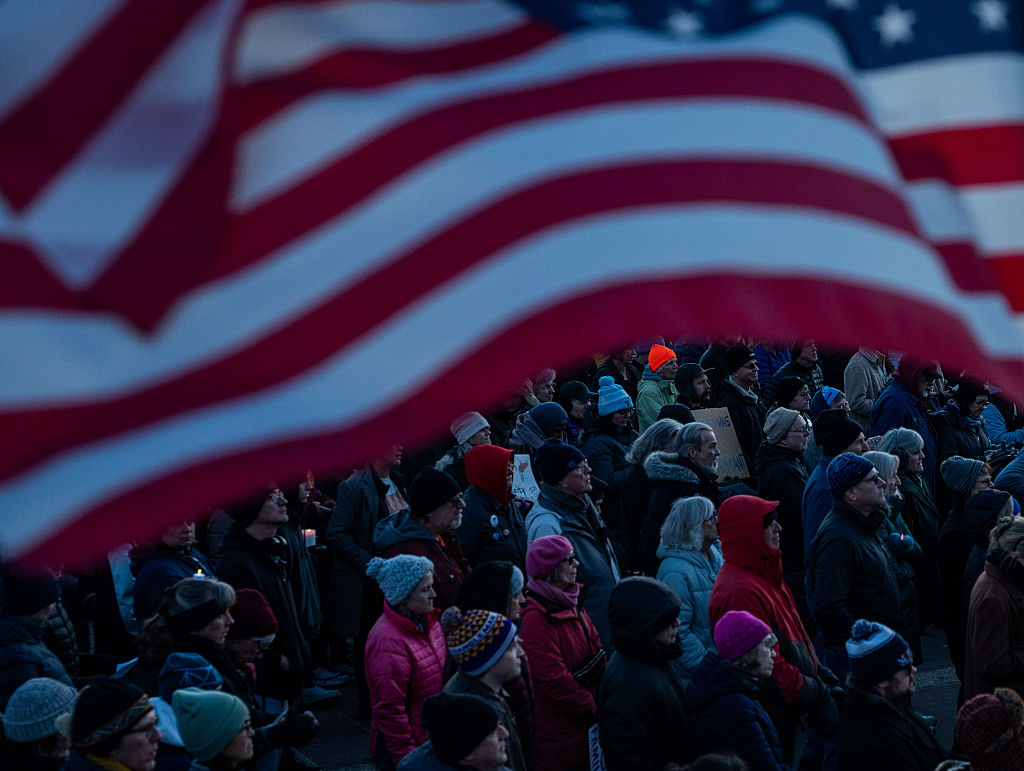
Photo by Time
Key Takeaways:
- Renee Good was fatally shot by ICE in Minneapolis.
- The incident suggests dissent may be increasingly viewed as a threat.
- Minnesota often reflects broader shifts in U.S. social and political climate.
- Concerns grow about how federal authority is used in local policing.
- This event may foreshadow a more restrictive response to protests nationwide.
A Defining Incident in Minneapolis
The recent fatal shooting of Renee Good by Immigration and Customs Enforcement (ICE) agents in Minneapolis has thrown a spotlight on the growing tension between law enforcement and citizens who choose to protest. Details about the circumstances remain limited to official briefings, but the impact on local communities is already evident.
Focusing on Dissent
Advocates argue that this tragic incident is part of a wider trend in which demonstrations and dissenting views are swiftly viewed as potential threats. For many Minneapolis residents, Minnesota’s long history of social activism is coming under new scrutiny, as citizens worry about the implications for free expression and civil rights.
Why Minnesota Matters
Minnesota has often been credited with shaping conversations around criminal justice and social policy. Incidents in its major cities tend to mirror, and sometimes spark, nationwide debates. Observers note that how Minnesota handles public unrest and activism can set influential precedents across the United States.
Societal Implications
Citizens and local leaders alike are concerned about the broader implications for policing and public trust. If protestors fear a harsh or even violent response, some argue that free speech is jeopardized. The tension not only impacts community relationships with law enforcement but also raises pressing questions about the role of federal agencies in local matters.
Looking Ahead
As Minnesota navigates the aftermath, many will be watching to see whether other states adopt similar enforcement tactics. What happens next may offer a glimpse into how the nation as a whole reconciles the right to dissent with the desire for public order. If the response in Minneapolis is any indication, the balance of these principles could be tested in the years to come.