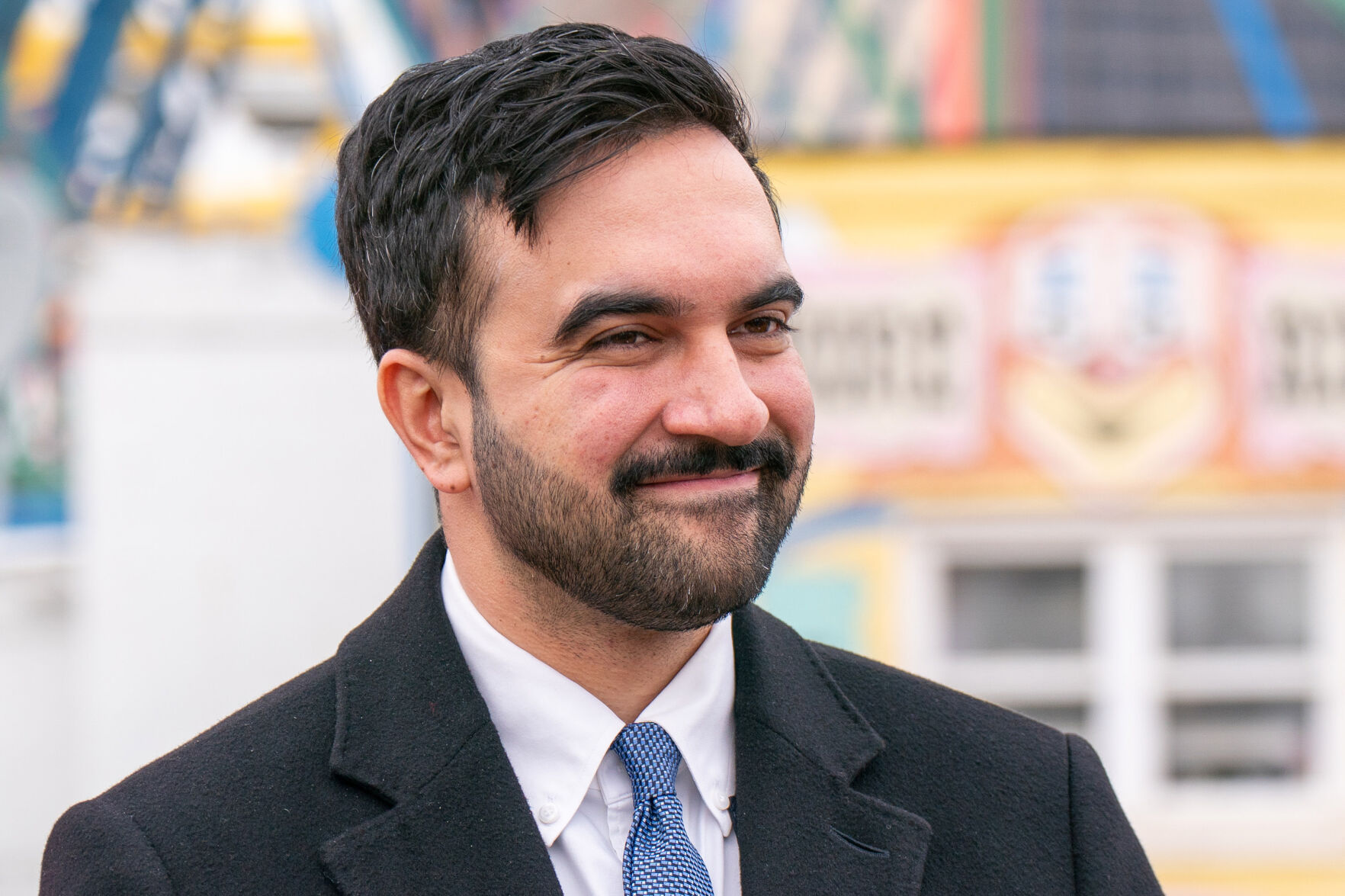
A University of New Mexico educator is challenging the way schools address conflict by focusing on restorative methods rather than traditional punishment. With national recognition shining on this approach, it offers a glimpse of how accountability and empathy might reshape educational environments.
Subscribe
Analysis and Opinions
Education Resources
Policy Analysis
When punishment fails, connection leads: UNM educator earns national recognition for restorative work


Photo by Unm Ucam Newsroom
Key Takeaways:
- A UNM educator receives national recognition for restorative work in schools
- Restorative approaches emphasize empathy and accountability over punishment
- Traditional discipline methods are under scrutiny amid rising conflicts
- These practices aim to deepen student connection and mutual respect
- Broader implications could influence education policy and culture
A Growing Need for Change
At a time when schools across the United States face student disconnection and rising conflict, the conversation around discipline takes on new urgency. Traditional models rooted in punishment are increasingly questioned, as many educators seek more inclusive, empathetic ways to maintain productive learning environments.
Reframing Accountability and Peace
“At a time when schools across the country are grappling with student disconnection, discipline disparities and rising conflict, one University of New Mexico educator is helping reframe what accountability, and even peace, can look like.” This statement from the initial report highlights a growing trend: restoring relationships and addressing behavioral issues through constructive dialogue and shared responsibility rather than punitive measures.
Recognition for Restorative Work
This UNM educator’s approach has garnered national recognition—an affirmation that these restorative methods not only improve discipline outcomes but also nurture a culture of empathy in schools. By shifting the focus from pure punishment to thoughtful engagement, educators and administrators can address the root causes of misconduct and help students build healthier connections.
Impact on Education
Reimagining the idea of discipline can have far-reaching effects. As schools encounter discipline disparities, placing a stronger emphasis on understanding and connection may break cycles of conflict. The initiative also points toward a future where student well-being and community building are fundamental pillars of the educational experience.
An Ongoing Conversation
With recognition comes the opportunity to inspire broader dialogues nationwide. If restorative practices continue to gain traction, they might reshape the landscape of American education—one conversation, one resolution, and one transformed classroom at a time.