Many drivers fail to realize how much time and distance large commercial vehicles need to stop. This article, prompted by a concerned traveler’s observations, discusses the poor choices people make when overtaking semis and the critical steps to avoid hazardous road situations.
Subscribe
Safe Practices
When should I pass a commercial vehicle?


Photo by Mankato Free Press
Key Takeaways:
- Commercial vehicles take longer to stop than passenger cars.
- Poor passing decisions around semis can lead to severe risks.
- A traveler’s question highlights common unsafe driving habits.
- Giving trucks ample space and time is essential for road safety.
- Awareness of big rig limitations can help drivers pass responsibly.
The Traveler’s Concern
A frequent traveler wrote in about the troubling behaviors they witness on the road. “I travel a lot and I see a number of people making some poor choices when it comes to passing semis and large vehicles,” the traveler states. Their concern underscores a problem all drivers face on highways: Gauging the right moment and distance to overtake commercial trucks.
Understanding Large Vehicle Limitations
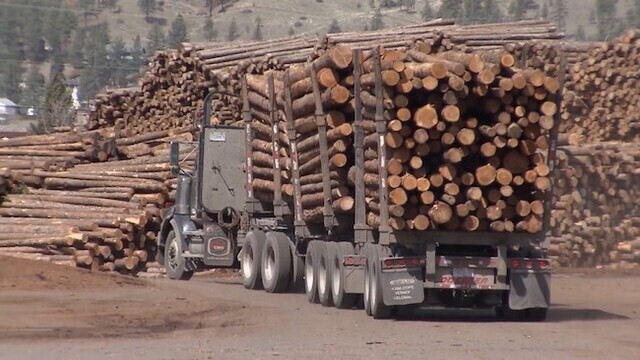
One key issue the article identifies is the stopping distance required by semis and other big rigs. “There is no way these big rigs can stop in time when people do these…” remarks the traveler, referencing sudden lane changes and abrupt maneuvers. Large vehicles simply cannot brake as quickly as cars due to their sheer size and weight, making it vital for smaller vehicles to plan carefully when passing.
The Importance of Timing and Space
Safe passing depends on both timing and space. Cutting closely in front of a commercial truck not only increases the risk of collisions but also limits reaction time for both drivers. The traveler’s observations reveal that many drivers either underestimate or ignore just how challenging it can be for trucks to slow down when forced to react to unexpected lane changes.
Fostering Safer Roads
This Mankato Free Press story sheds light on collective responsibility: Passenger cars and commercial vehicles share the same highways, so each party must act with caution and respect. By recognizing the special requirements of big rigs—most notably their need for ample braking distance—every driver can help maintain a safer environment. Ultimately, understanding when and how to pass commercial vehicles remains an essential step toward preventing accidents and ensuring everyone reaches their destination securely.