Whitcomb’s Arts is hosting “Harvest: The Art of Local Farmers,” an exhibit showcasing the talents of eleven farmer-artists. Through this collection, viewers can witness how the agricultural world inspires creative expression in Whallonsburg.
Subscribe
Art Galleries
Whitcomb’s Gallery to open “Harvest: The Art of Local Farmers”

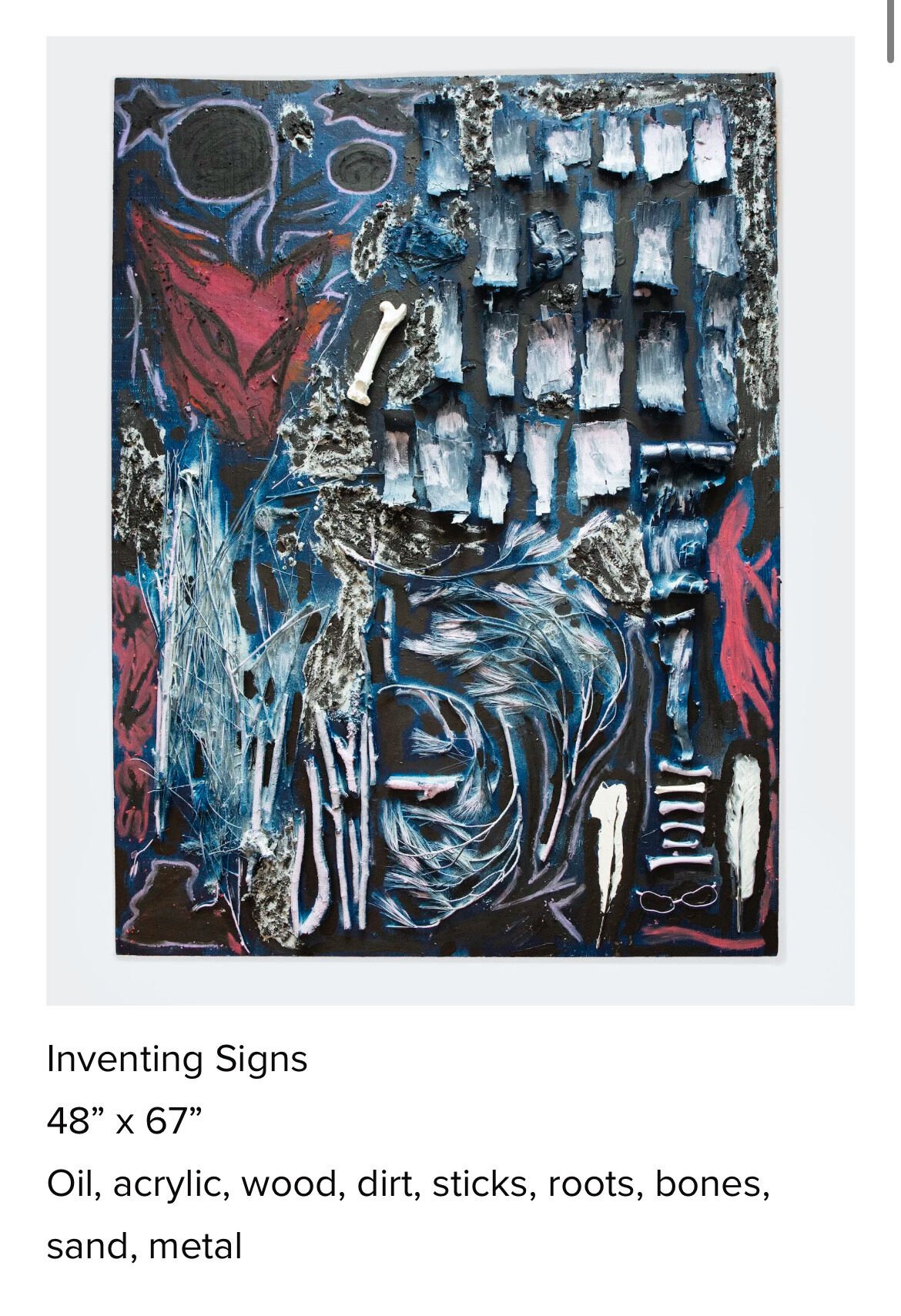
Photo by Press Republican
Key Takeaways:
- An upcoming show at Whitcomb’s Arts highlights local farmers’ artistic talent
- Eleven farmer-artists will display their work
- William Glaser Wilson of Essex Farm is among the featured creators
- The exhibit focuses on farmers’ creativity and imagination
- It underscores the cultural importance of local tourism
Introduction to “Harvest: The Art of Local Farmers”
“Harvest: The Art of Local Farmers” is the title of the newest exhibit poised to open at Whitcomb’s Arts in Whallonsburg. Celebrating the creativity and imagination of eleven farmer-artists, the show promises a glimpse into how art and agriculture set roots in the same fertile ground.
The Setting
Nestled in Whallonsburg, Whitcomb’s Arts is a local hub for art enthusiasts. With this show, the gallery continues to foster a space where different artistic viewpoints find a warm reception, attracting community members as well as visitors curious about local culture.
Farmers Turned Artists
One of the unique aspects of this exhibit is that the artists hail from working farms. Each of the eleven participants merges the rigor of field labor with a passion for creative expression. Their paintings, sculptures, or mixed-media works reflect day-to-day experiences on the land.
Spotlight on William Glaser Wilson
Among the participants is William Glaser Wilson, a farmer from Essex Farm. His contributions embody the show’s vision of bridging practical farming knowledge with aesthetic innovation. Visitors will see how life on the farm can spark ideas leading to captivating works of art.
Community and Tourism Impact
By shining a spotlight on locals whose livelihoods revolve around agriculture, “Harvest: The Art of Local Farmers” hopes to boost awareness and appreciation of the region’s cultural depth. The exhibit underscores how farmland and art galleries share common ground—nurturing growth in both the community’s spirit and its creative identity.