As artificial intelligence continues to grow, we risk accepting generic answers and losing the creativity that humans provide. Yet by treating AI as a tool rather than an end product, we can preserve human expertise while still harnessing unprecedented speed and efficiency.
Subscribe
Analysis and Opinions
Future of Work
Generative AI
Why AI makes human judgment more valuable

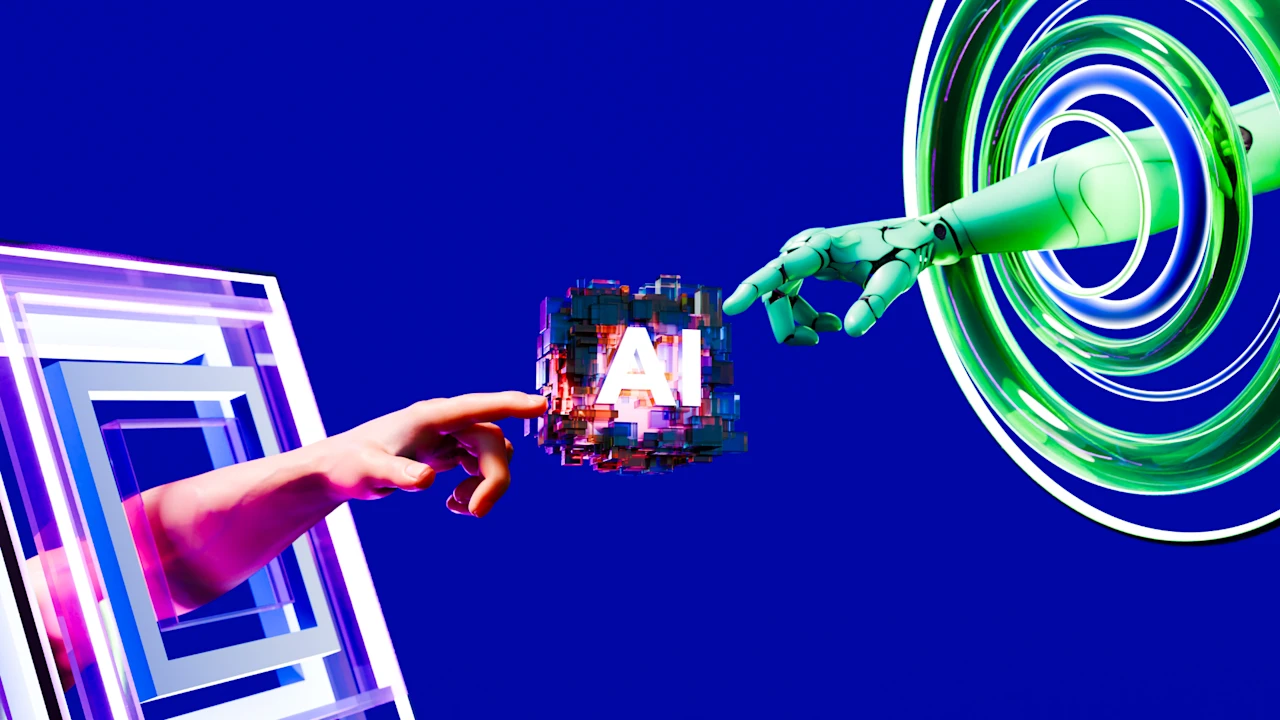
Photo by Fast Company
Key Takeaways:
- AI delivers rapid and high-volume outputs, but human judgment remains irreplaceable.
- Creative roles have suffered dramatically, dropping by 33% for certain positions from 2023 to 2025.
- AI is expected to displace 92 million jobs yet create 170 million new ones.
- People excel at determining what truly matters and shaping meaningful results.
- The greatest risk is settling for mediocrity instead of continuing to pursue deeper, more creative outcomes.
The Turning Point for AI
If 2024 was the Year of AI, then 2025 became the year of “AI Slop.” The promise of endless productivity gave way to content and creations that were often generic, hollow, and devoid of subjective taste. AI, designed to function in the middle of the process, suddenly felt overtasked, expected to produce finished products without a final human touch.
Where Human Judgment Prevails
Nothing underscores this better than the dramatic drop in creative roles. A study of 180 million global job postings from January 2023 to October 2025 revealed that graphic artist openings declined by 33%. While AI can churn out designs quickly and cheaply, these machine-driven outputs often lack depth and the individual flair that comes from true expertise and personal vision.
New Workforce Realities
The World Economic Forum estimates that AI will displace 92 million jobs—even as it creates 170 million new opportunities. These new roles hinge on recognizing which AI outputs warrant action, refining the results, and injecting human meaning. In other words, AI might make the volume, but people must discern the value.
| Impact | Number of Jobs |
|---|---|
| Displaced by AI | 92 million |
| Created by AI | 170 million |
Hollywood’s Lesson
In the film industry, vast archives of unused footage remain untapped. AI can sift through hours of video, flagging relevant scenes and analyzing legal documents to streamline approvals. But, as industry leaders and creators know, humans still decide which scenes to use, how to pair them, and how to elevate them with context, emotion, and narrative.
Resisting Mediocrity
The real danger isn’t that AI will replace us, but rather that we may settle for an easy but uninspired status quo. AI can serve as a powerful ally—processing mammoth amounts of data, automating basic tasks, and even suggesting creative ideas. Yet we must remember: AI is only the middle. We take it from raw output to finished piece, leveraging our distinct ability to feel, imagine, and evaluate what truly matters.