Election simulations can paint a deceptively clear picture of campaign outcomes despite relying on last week’s poll responses. This opinion piece warns that when treated as definitive forecasts, such simulations risk discouraging voters from participating in the electoral process.
Subscribe
Analysis and Opinions
Voting Trends
Why election simulations can create a false narrative and depress voter turnout

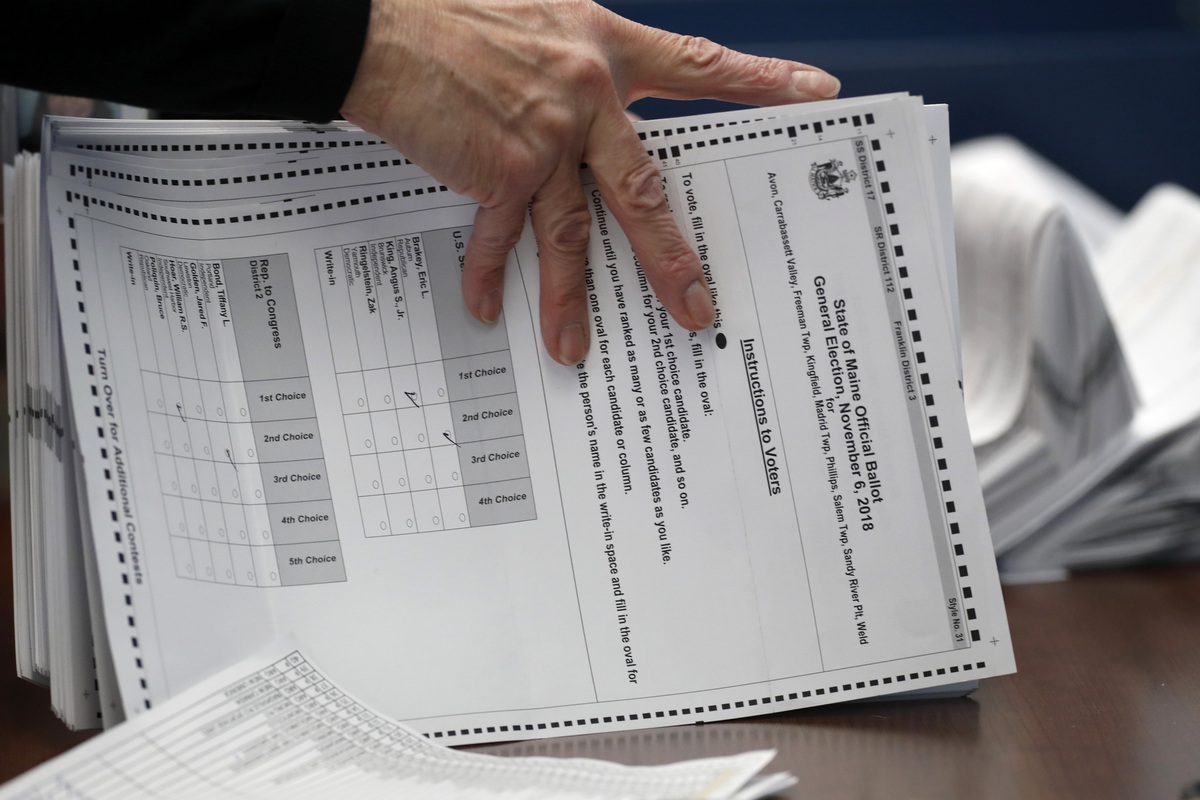
Photo by Bangor Daily News
Key Takeaways:
- Simulations rely on snapshot polling data that can rapidly change
- Projections may misrepresent future voter behavior
- Inaccurate forecasts risk depressing voter turnout
- Poll results quickly become outdated, leading to misguided conclusions
- Interpreting simulations with caution is crucial to protect public engagement
The Rise of Election Simulations
Election simulations have become a common fixture in today’s political climate, offering numerical forecasts that can appear authoritative. Yet they are built on polling data that reflect a moment in time, which may not hold true by the time voters head to the polls.
How Polling Data Translates into Forecasts
Many of these projections hinge on hopeful guesses about how each segment of the electorate will behave. According to the original piece, “A simulation may accurately reflect what respondents told pollsters last week yet miss the boat on what actual voters do the next week.” This gap in timing can create a false narrative, especially as campaigns shift or external events influence public opinion at the last minute.
The Impact on Voter Turnout
A significant concern raised in the piece is that projections may depress voter turnout by convincing citizens that the outcome is predetermined. When people believe their votes might not make a difference, they may stay home. These simulations, inadvertently or otherwise, can undermine the very democratic processes they aim to clarify.
A Call for Critical Consumption
Rather than accepting election simulations as gospel, readers are urged to interpret them with caution. Although simulations can offer insights into current sentiment, relying too heavily on them can turn quickly shifting data into overstated predictions. By recognizing the inherent limits of polling-based forecasts, the public can remain engaged and informed—a crucial step in maintaining a vibrant electoral process.