Wisdom means more than having answers. Cullen Hightower reminds us that once our personal opinions run dry, true understanding emerges. This article explores the difference between knowledge and wisdom, guided by Christian teachings and the Holy Spirit.
Subscribe
Analysis and Opinions
Wisdom: Let the Holy Spirit guide you in how to use it

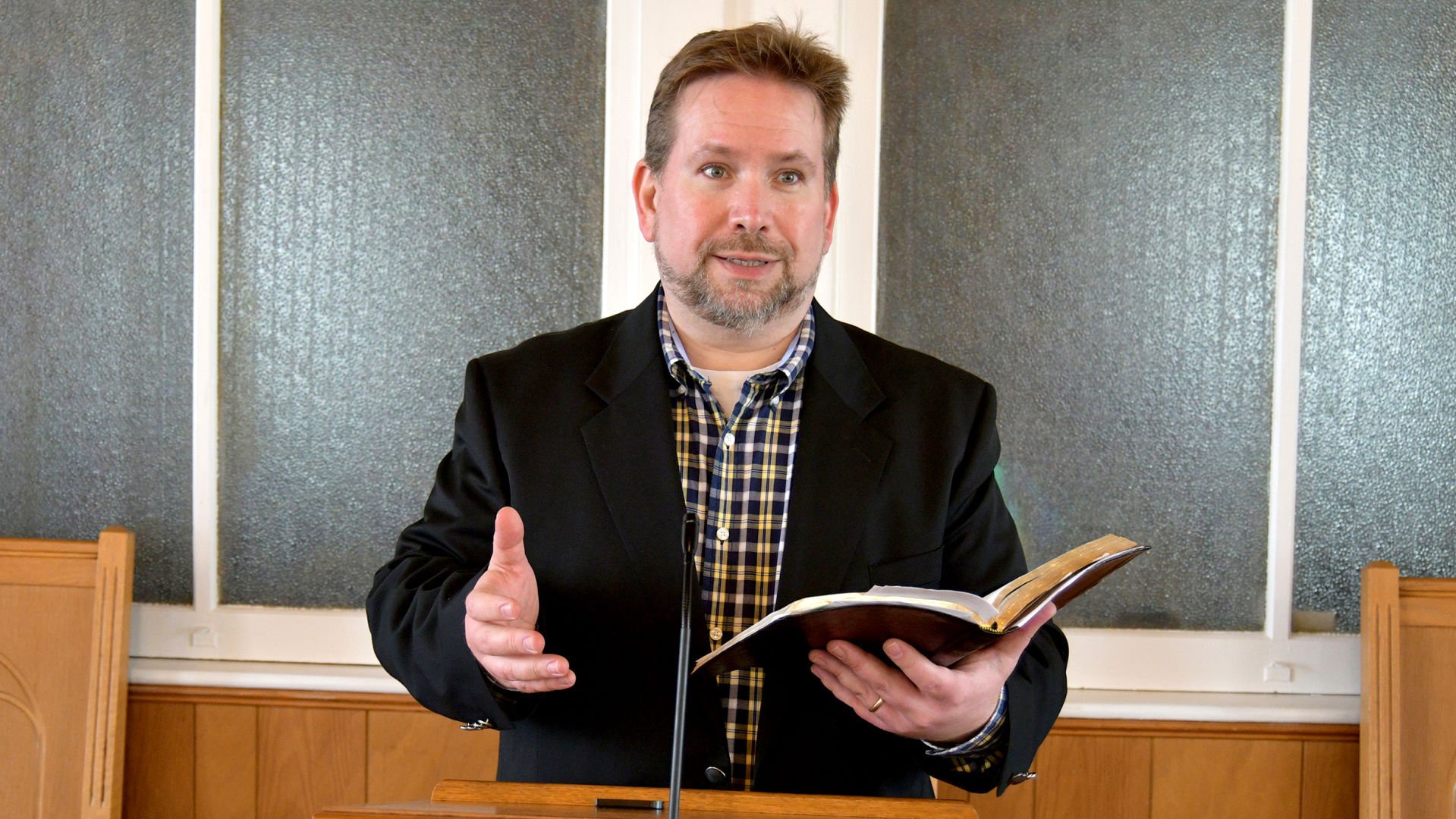
Photo by Reflector
Key Takeaways:
- True wisdom extends beyond personal opinions.
- Knowledge alone does not guarantee wisdom.
- Biblical texts such as Proverbs and Ecclesiastes offer insights on wisdom.
- The Holy Spirit provides guidance in applying wisdom effectively.
- Notable quotes from Cullen Hightower and Charles Spurgeon illustrate different facets of wisdom.
The Nature of Wisdom
Wisdom has been defined by thinkers across time and traditions. Cullen Hightower once said, “Wisdom is what’s left after we’ve run out of personal opinions.” This perspective underscores the depth that wisdom can attain when personal biases and preconceived ideas fall away.
From Knowledge to Wisdom
Charles Spurgeon observed, “Wisdom is the right use of knowledge. To know is not to be wise. Many men know a great deal and are all…” His words highlight that sheer mental accumulation of facts is not enough. It’s how individuals channel that knowledge into constructive, meaningful action that counts.
Insights from Proverbs and Ecclesiastes
Christian scripture is filled with examples emphasizing the importance of wisdom. The Book of Proverbs offers straightforward advice on living a principled life, while Ecclesiastes confronts existential questions that encourage believers to look beyond fleeting interests. Both books maintain that knowledge becomes wisdom when coupled with moral clarity and humility.
The Holy Spirit’s Guidance
Central to this conversation is the Holy Spirit’s role in helping believers apply wisdom. In Christian theology, the Holy Spirit influences how scripture is read, how knowledge is interpreted, and how decisions are made. The concept of “letting the Holy Spirit guide you” elevates wisdom from a purely intellectual pursuit to a spiritual and ethical practice.
By linking knowledge to higher principles and moral purpose, individuals can move beyond personal opinions and anchor their decisions in something more enduring. Whether drawn from biblical teachings or modern-day reflections, truly wise choices often flow from a partnership between reason and faith.