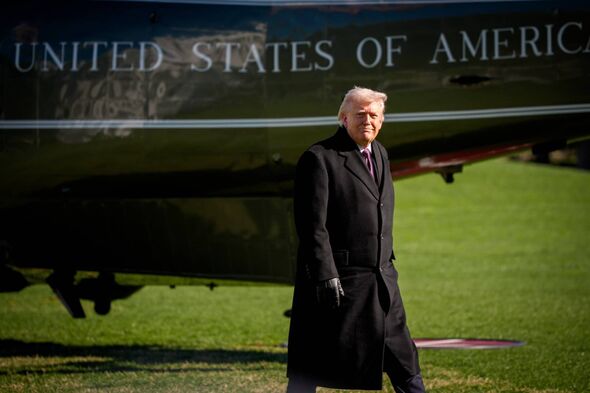
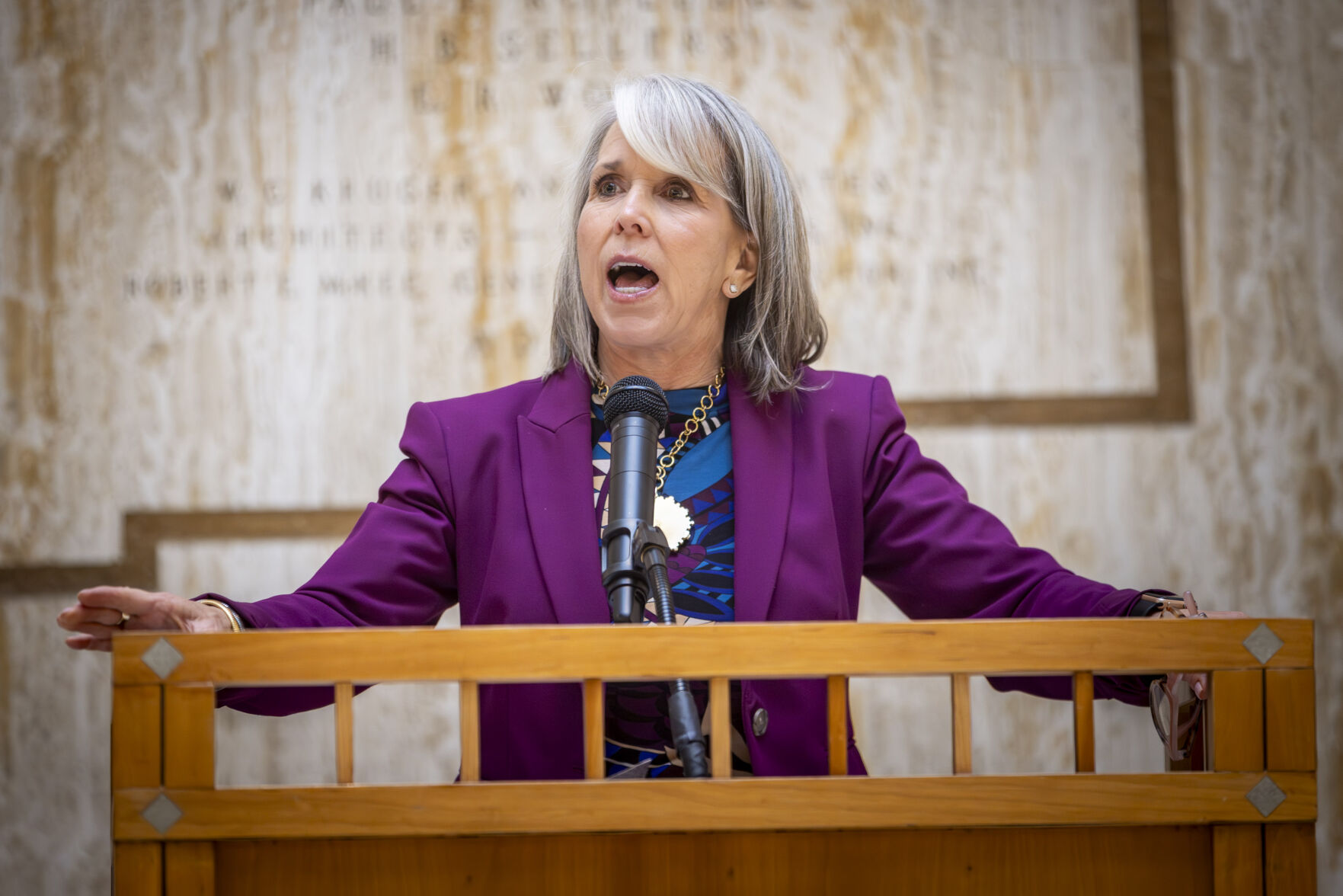
A partial government shutdown is set to begin at midnight as the Senate struggles to finalize a spending deal. Although President Donald Trump and Senate Democrats reached a temporary arrangement, new limitations on immigration enforcement remain a stumbling block.
Subscribe
Breaking News
Policy Analysis
With US Senate still tied up over spending deal, partial shutdown begins at midnight

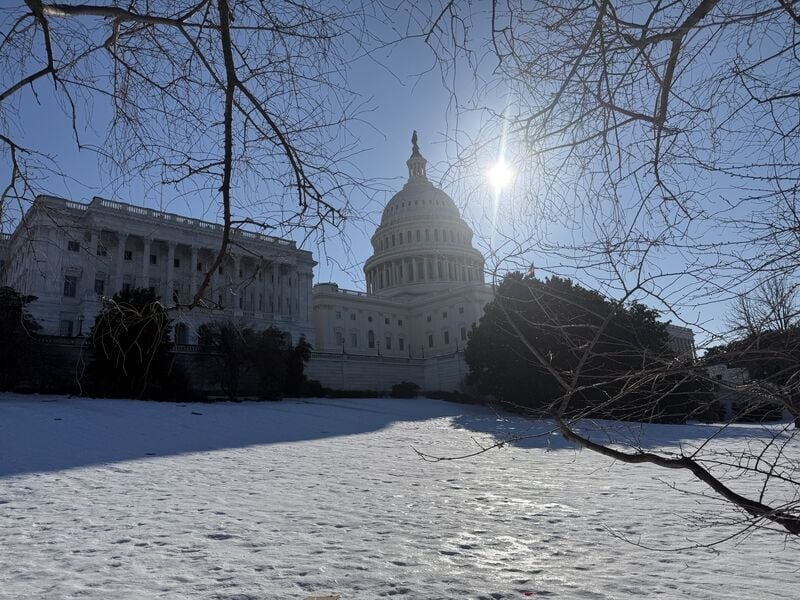
Photo by Griffindailynews
Key Takeaways:
- The partial federal shutdown begins at midnight.
- Senate negotiations remain deadlocked, delaying a funded budget.
- President Trump and Senate Democrats reached an initial agreement to buy time.
- Immigration constraints are the primary point of contention.
- Government services risk disruption over the weekend.
Midnight Deadline
The federal government is barrelling toward a partial shutdown at midnight, with lawmakers scrambling to find a solution. As the clock ticks down, the impasse over federal funding shows few signs of resolution, setting the stage for significant disruptions to government operations.
Political Stalemate
Despite intense negotiations on Capitol Hill, senators have struggled to pass a spending deal that would avert this weekend’s shutdown. The deadlock reflects deep divisions within the chamber, with differing perspectives on budget priorities and how to handle the controversial elements of the deal.
Focus on Immigration Enforcement
One of the critical obstacles remains a debate over new constraints on immigration enforcement. “Senate Democrats and President Donald Trump reached a deal that allows lawmakers more time to negotiate new constraints on immigration enforcement,” states the original report. This arrangement, however, has not fully settled concerns on either side.
Negotiations at a Standstill
While President Trump and Senate Democrats have agreed to extend talks, the Senate has yet to finalize a comprehensive approach to immigration. According to the story, this issue has become the focal point of broader funding discussions, compelling lawmakers to seek more time before reaching a final resolution.
Potential Impact
With a partial shutdown looming, various government services and agencies face possible disruption. Essential operations may continue functioning, but many federal employees could be subject to furloughs. Whether a short-term extension or a more lasting fix can be reached, the shutdown underscores the persistent difficulties of forging bipartisan agreements under strict deadlines.