One Spanish Catholic brotherhood’s refusal to include women in its Holy Week procession has ignited a national conversation. Despite this exception, the overwhelming majority of Spain’s cofradías now welcome women, reflecting an evolving view of gender roles in time-honored religious celebrations.
Subscribe
Analysis and Opinions
Women take pride in Holy Week roles after a Spanish Catholic brotherhood’s procession excluded them

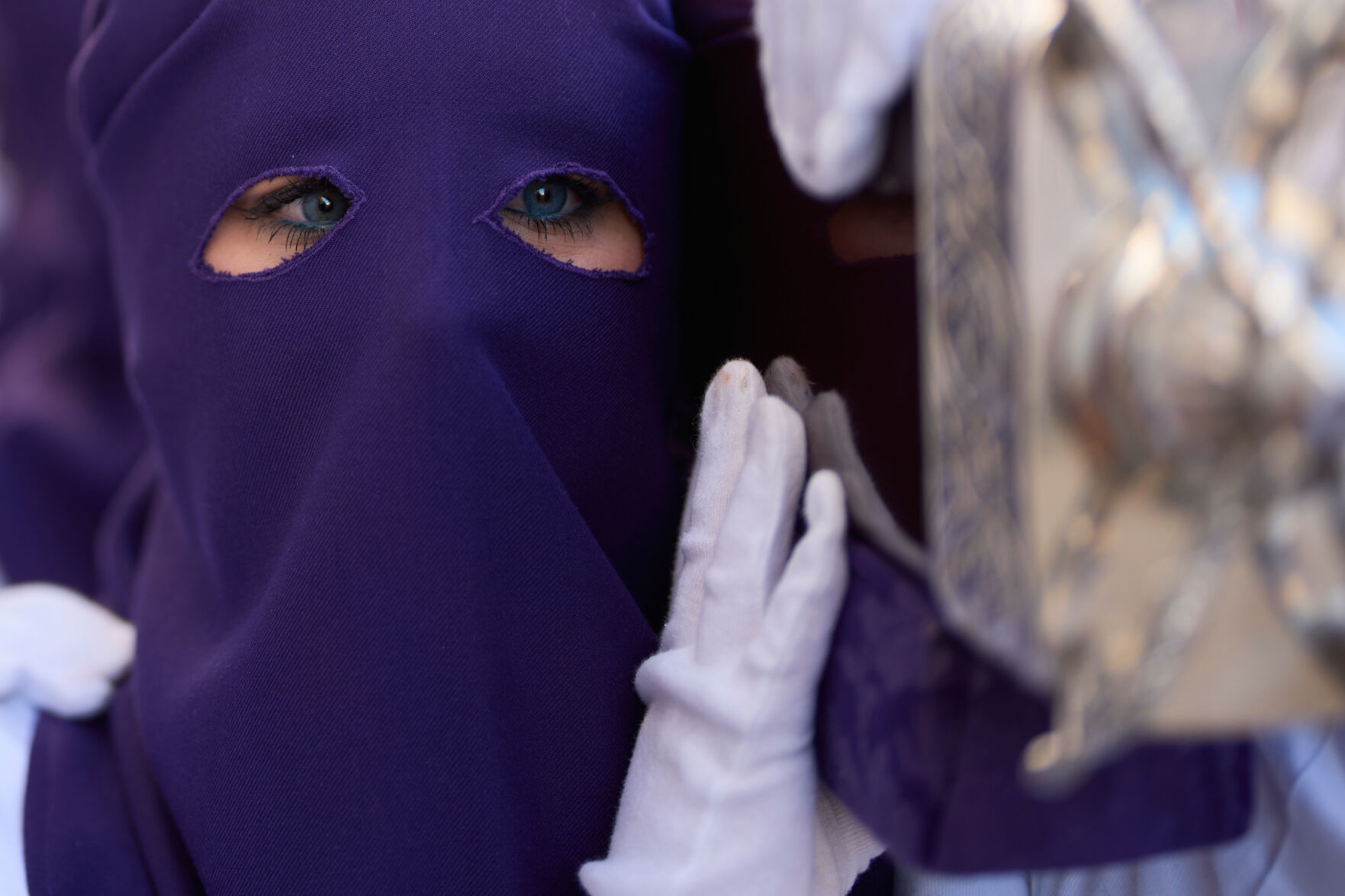
Photo by Santa Fe New Mexican Homepage | Santa Fe New Mexic
Key Takeaways:
- A single brotherhood’s ban on women drew front-page coverage across Spain.
- Spain’s Holy Week celebrations are globally renowned for their intensity and devotion.
- The majority of Catholic brotherhoods in Spain have opened their ranks to women.
- Elaborate floats and centuries-old attire define Holy Week’s cultural reputation.
- Women continue to hold leadership roles in other parts of the country, spotlighting broader shifts in gender norms.
Background
Spain’s Holy Week, or Semana Santa, is celebrated with extraordinary vigor, drawing visitors from around the globe to witness elaborate processions and passionate displays of devotion. Traditionally led by Catholic brotherhoods—known locally as cofradías—these processions feature penitents in vibrant robes who carry ornate floats bearing religious statues.
The Controversy
Recently, one Spanish brotherhood made front-page news by refusing to permit women to participate in its Easter procession. This move stood out in a country where most cofradías have chosen inclusivity. The incident generated intense debate about gender and tradition, illustrating how sacred customs can sometimes lag behind societal change.
Broader Inclusivity
Despite this headline-grabbing ban, the majority of brotherhoods now welcome women in their ranks. This shift toward greater inclusion reflects Spain’s rapidly modernizing attitudes, demonstrating that even institutions bound by centuries-old tradition can evolve in response to broader social progress.
Cultural Significance of Holy Week
Holy Week in Spain is much more than a religious commemoration—it is a deeply rooted cultural tradition. People line the narrow streets to see the penitents in their flowing robes, some dating back to medieval times. Families often reunite during this season, making it a staple of Spanish identity. The spectacular floats, painstakingly crafted and maintained, pay homage to the country’s Catholic heritage and collective history.
Women’s Leadership and Roles
In many regions of Spain, women not only march side by side with men in Holy Week processions but also take on major organizational duties. These roles include designing ceremonial attire, planning routes, and leading fundraising initiatives. Such engagement reinforces the idea that women’s contributions are integral to the continuation and growth of these revered Easter events.
Evolving Traditions
Although one brotherhood’s decision to exclude women made waves, it remains an outlier. For most Spaniards, Holy Week is a time to honor heritage while embracing new perspectives that enrich this centuries-old celebration. The ongoing discussions around women’s participation in religious processions highlight both how cherished these traditions remain and how they continue to adapt to a changing world.