The NFL’s Rooney Rule has renewed relevance in college athletics, where several universities in the SEC have yet to hire Black coaches for their main revenue-producing sports. Texas, which is preparing to join the conference, is among eight SEC schools confronting this representation shortfall. Observers are asking if an NCAA equivalent of the Rooney Rule could help address this disparity.
Subscribe
Analysis and Opinions
Would a Rooney Rule work in the NCAA? How SEC could address lack of Black coaches

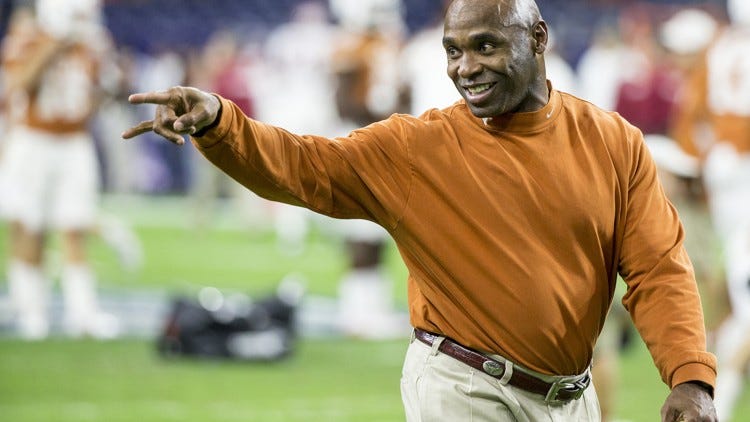
Photo by Austin American-statesman
Key Takeaways:
- The SEC faces a shortage of Black head coaches in revenue-producing sports
- Texas is one of eight SEC schools lacking a Black head coach for those programs
- The NFL’s Rooney Rule is a key inspiration for proposed NCAA reforms
- Figures like Charlie Strong and Shaka Smart have drawn attention to diverse hires
- The SEC Commissioner’s leadership could shape the conference’s approach
The Current Lack of Diversity
College sports programs in the Southeastern Conference boast some of the most competitive teams in the nation, yet they continue to lag when it comes to diversity in top coaching positions. Texas, in particular, stands out among eight SEC schools that do not have a Black head coach for a revenue-producing team sport. This statistic has sparked calls for more transparent and inclusive hiring processes across the conference.
Eyeing the Rooney Rule
The Rooney Rule in the National Football League requires teams to interview minority candidates for head coaching jobs. Experts are now asking if a similar approach would create more equitable hiring in college athletics. The question “Could a Rooney Rule work in the NCAA?” frames much of the current debate. Proponents see an opportunity: by ensuring that more diverse candidates get an interview, programs may ultimately find more qualified but previously overlooked coaches.
Examples and Historical Context
Texas’ own experiences with Black head coaches such as Charlie Strong in football and Shaka Smart in basketball showcase how diversity in leadership can shape program identity. Rodney Terry’s name is also mentioned among more recent hires linked to the Longhorns. These examples often resurface in discussions about representation, illustrating both the successes and challenges of building lasting diversity.
Leadership and Institutional Efforts
SEC Commissioner Greg Sankey holds significant influence over any conference-wide move to encourage inclusive practices. In addition, references to The Institute for Diversity and Ethics in Sport signal that data-driven advocates are watching these developments closely. Their involvement could guide the conference toward measurable goals and transparent reporting, fueling further accountability.
The Path Forward
With Texas transitioning into the conference and several SEC institutions continuing the search for new head coaches, many discuss the benefits of a structured rule to ensure fairness in the hiring process. Whether the NCAA will adopt its own Rooney Rule remains an open question, but the imperative to address the shortage of Black head coaches has never been clearer. Administrators, coaches, and fans alike are paying close attention to whether these discussions lead to a meaningful shift in hiring strategies for SEC and NCAA programs nationwide.